








AI for Desilting Transparency
With the monsoon season rapidly approaching, the Brihanmumbai Municipal Corporation (BMC) is implementing a sophisticated strategy to mitigate flooding.
A key innovation this year is the development of a proprietary Artificial Intelligence (AI) model designed to enhance transparency and accountability in the crucial process of desilting. This move comes in the wake of past scrutiny regarding desilting contracts, where the sheer volume of silt removed often determined contractor payments. The AI system meticulously reviews video footage submitted by contractors, capturing every stage from silt extraction to its final disposal. By analyzing these visual records, the AI can identify anomalies indicative of fraudulent practices, such as unusually rapid truck loading times (less than 2 minutes, compared to the typical 7-8 minutes) or the mixing of silt with lighter waste materials to artificially inflate quantities. The system also detects changes in video quality or resolution, suggesting the use of recycled footage. This technological oversight ensures that contractors are compensated solely based on the actual amount of silt removed, fostering a more equitable and efficient system. This year's desilting target has also been adjusted downwards to 8.47 lakh metric tonnes from 12.03 lakh metric tonnes, further emphasizing a focus on quality and verifiable work over sheer quantity.
Targeted Drain Cleaning
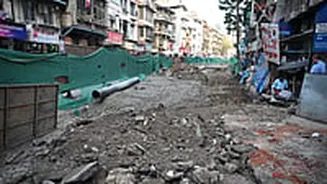
Mumbai's extensive network of over 3,800 kilometers of drains, comprising both major (over 1.5 meters wide) and minor (less than 1.5 meters wide) channels, requires rigorous maintenance to prevent waterlogging. This year, the BMC is prioritizing the clearing of choke points within these vital conduits. A substantial portion of the 8.41 lakh metric tonnes of silt targeted for removal will come from these drains: 3.67 lakh metric tonnes from minor drains and 3.37 lakh metric tonnes from major drains. Specific attention is being directed towards areas like Saki Naka and Kurla, which are known for their significant drainage blockages. In areas with conventional culverts where machinery cannot access, manual desilting operations will be employed to remove accumulated solid waste, predominantly plastic. Additionally, efforts are being made to address low-lying areas adjacent to the Mithi River, a critical step in reducing the risk of flooding in these vulnerable zones. This focused approach ensures that the most problematic sections of the drainage system are addressed proactively.
Increased Pump Deployment
To bolster its capacity for managing heavy rainfall, the BMC is significantly increasing its deployment of dewatering pumps across the city. A total of 547 dewatering pumps will be installed in low-lying areas, marking the highest number in the past three years. This surge in pump numbers is a direct response to increased flooding concerns stemming from ongoing infrastructure projects like the Metro, roads, and bridges, which have altered drainage patterns and created new flood-prone zones. Complementing the fixed pump installations, the BMC will also introduce 14 vehicle-mounted mobile pumping units. These versatile units, mounted on trucks, are designed to navigate challenging terrains and congested urban environments, making them ideal for addressing waterlogging in areas with difficult topography or limited access. These mobile units have been leased for a four-year period at a cost of Rs 8.8 crore. The expanded pumping infrastructure is crucial for rapidly removing accumulated water, especially in locations not typically identified as chronic waterlogged areas, ensuring a more comprehensive defense against monsoon-induced flooding, as approximately 35 percent of Mumbai's population resides in flood-prone zones.