





The Brain-Dance Connection
Dance is far more than a mere physical activity; it's a potent form of self-expression with the capacity to profoundly influence our neurological landscape.
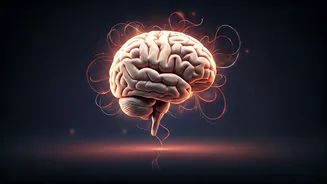
The emerging discipline of dance psychology meticulously examines how our physical movements directly affect cognitive functions, overall emotional states, and even our mental health. Whether you're a seasoned professional or just enjoy dancing for leisure, engaging in dance offers a diverse array of psychological advantages. This practice simultaneously engages numerous brain regions, including those responsible for motor control, memory recall, and emotional regulation. Performing complex dance routines sharpens coordination, improves gait and balance, and enhances spatial awareness. With consistent practice, dance contributes to greater mental agility and strengthens memory retention. Studies indicate that regular dancing can significantly reduce the risk of developing dementia and actively promotes the formation of new neural pathways, a process known as neurogenesis.
Social Rhythms & Bonding
The social dimension of dance plays an indispensable role in its psychological impact. When individuals dance together, particularly in group settings or synchronized routines, their brains release oxytocin, often referred to as the 'bonding hormone.' This chemical surge fosters a powerful sense of trust, belonging, and cooperation among participants. Dancing in unison cultivates a shared sense of purpose, which in turn generates feelings of harmony and trust, enabling deeper connections to form between people. This communal experience of movement can dissolve barriers and create a powerful sense of unity, making individuals feel more connected to each other and to a shared goal. The very act of moving together in a structured or spontaneous way can foster an environment of mutual support and understanding, enhancing social cohesion and reducing feelings of isolation.
Boosting Creativity & Cognition
Dance transcends mere physical exertion; it actively enhances our cognitive capabilities. It provides a dynamic platform for exploration, allowing individuals to invent new steps, move to diverse rhythms, and improvise movements that synchronize with music. This creative process significantly stimulates brain areas responsible for creative thinking and problem-solving abilities, while also refining spatial reasoning. The inherent nature of dance often demands openness, spontaneity, and improvisation, qualities that directly translate into improved problem-solving skills in various aspects of life. By engaging the brain in novel and complex ways, dance encourages flexible thinking and the ability to adapt to new challenges. This heightened mental agility, fostered through the interplay of movement and music, can lead to innovative solutions and a more adaptable mindset.
Hormonal Harmony & Genetics
The remarkable psychological benefits derived from dancing are intimately interwoven with our body's intricate chemical responses. Dancing significantly influences the release of key neurotransmitters like dopamine, serotonin, and endorphins. These neurochemicals are pivotal in eliciting feelings of happiness, relaxation, and overall well-being. Furthermore, they contribute to a sense of being more grounded and emotionally balanced. Individual genetic predispositions can also play a role, potentially making some people more naturally inclined towards dancing, excelling at it, and deriving greater enjoyment. This fascinating interplay between our hormonal system and genetic makeup can optimize motor functioning, enhance emotional regulation, and collectively contribute to an improved state of mental health.
Diverse Styles, Varied Impact
While all forms of dance unequivocally contribute to mental well-being, distinct styles can influence the brain in unique and specialized ways. Energetic styles like hip-hop and freestyle dancing are particularly adept at encouraging robust emotional expression and fostering a sense of freedom in movement. In contrast, the structured discipline of classical dance forms cultivates perseverance and a heightened sense of dedication. Partner dances such as salsa and tango are exceptionally effective at strengthening the emotional bond between partners, significantly amplifying social connection and actively reducing feelings of loneliness. For individuals grappling with specific mental health challenges, such as anxiety, depression, or trauma, a more expressive, creative, and freestyle dance approach is often recommended for its therapeutic potential.