




Geographical Diversity Unveiled
India's geographical diversity is truly astounding, ranging from the towering Himalayas in the north to the sun-kissed beaches of the south. The varied
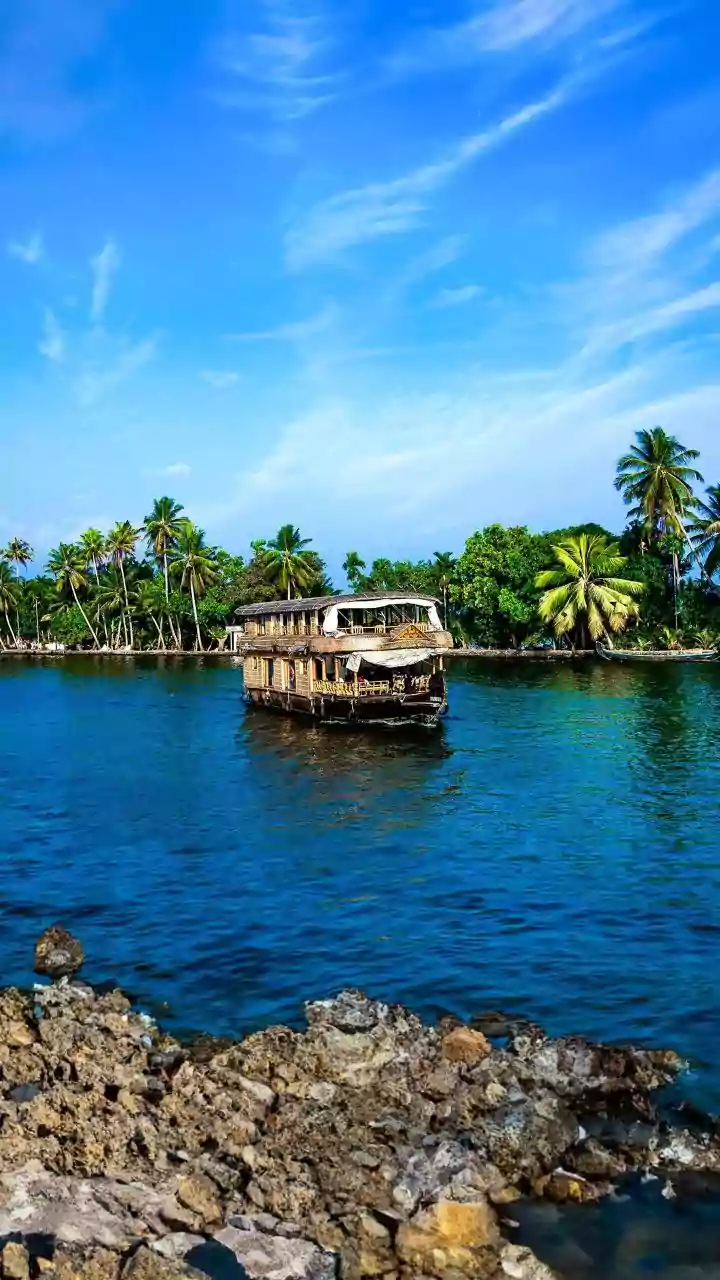
terrain includes fertile plains, arid deserts, lush forests, and expansive coastlines, each contributing to a unique ecosystem. The Himalayas, a majestic mountain range, not only provide breathtaking views but also serve as a natural barrier, shaping the climate and influencing the rivers that nourish the land. The Thar Desert, a vast expanse of sand, presents a stark contrast to the verdant landscapes elsewhere. The coastal regions, with their tropical climate, are home to diverse flora and fauna, offering a different perspective on India's geographical complexity. This geographical diversity has a significant impact on India's climate, influencing the weather patterns across the country, which in turn affects agriculture, lifestyle, and the overall cultural landscape. The availability of resources also differs by region, leading to economic and social variations.
Urban vs. Rural Dynamics
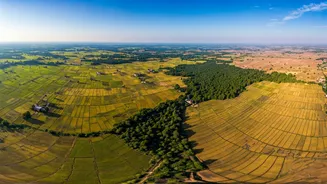
The dichotomy between urban and rural India is stark and defines much of its social and economic life. India's urban centers are often characterized by rapid modernization, technological advancements, and bustling economic activity. Cities like Mumbai, Delhi, and Bangalore are hubs of commerce, industry, and innovation, attracting a diverse population from across the country. In contrast, rural India, where a significant portion of the population resides, retains its traditional character. Agriculture remains the primary occupation, with a strong emphasis on community and cultural practices. The pace of life is generally slower, and the connection to the land is deeply rooted. This urban-rural divide influences access to education, healthcare, infrastructure, and opportunities. The government has implemented various programs to bridge this gap, aiming to improve living standards and promote balanced development across the country. Understanding these dynamics is crucial to comprehending the overall Indian experience.
Cultural Tapestry Explored
India's cultural tapestry is woven with threads of numerous religions, languages, and traditions, making it one of the most culturally diverse nations on Earth. Each state and region boasts its own distinct identity, reflected in its cuisine, clothing, music, dance, and art forms. Hinduism, Islam, Christianity, Sikhism, Buddhism, and Jainism are the major religions practiced, coexisting and influencing each other in various ways. Hindi and English are the official languages at the federal level, but there are over 20 recognized regional languages and countless dialects, each with its unique literature and cultural significance. Traditional festivals, such as Diwali, Holi, Eid, and Christmas, bring communities together, celebrating shared heritage and reinforcing social bonds. The arts, including classical music and dance forms like Bharatanatyam and Kathak, are integral to the cultural landscape, preserving ancient traditions and expressing the nation's rich history. This cultural diversity creates a dynamic environment of exchange and interaction.
Lifestyles Across Regions
Lifestyles across India vary dramatically based on geographical location, socio-economic factors, and cultural influences. In the northern states, a significant portion of the population is involved in agriculture, with traditional family structures prevalent. The lifestyle is often dictated by the seasons, with festivals and religious observances playing a central role. In the southern states, lifestyles blend tradition with modernity, with a focus on education and technological advancement. The coastal regions exhibit a relaxed pace of life, influenced by the sea and maritime traditions. In the bustling cities, lifestyles are often fast-paced, with a focus on career, consumerism, and global trends. The availability of amenities, healthcare, and infrastructure also varies significantly across different regions, impacting daily life. Despite these differences, a sense of unity and shared national identity binds all these diverse lifestyles together, reflecting the inclusive ethos of India.