
Rainfall Hits Region
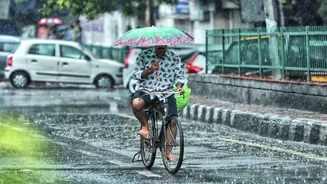
The Delhi-NCR region recently experienced substantial rainfall. The intensity of the showers led to several areas facing waterlogging, which caused traffic
congestion during the morning and evening commute times. The sudden downpour disrupted daily routines for many residents, as roads transformed into virtual rivers in some locations. The heavy rain also brought a noticeable drop in temperature. Residents were urged to stay updated on weather advisories. The IMD closely monitored the evolving weather patterns, ensuring that they could give timely information to the public. As a result, authorities were prepared to handle the difficulties brought on by the rainfall and also able to quickly communicate updates to the citizens.
IMD Issues Alert
Following the rainfall, the India Meteorological Department (IMD) issued a yellow alert for Delhi-NCR. This alert level indicates a heightened risk of severe weather phenomena, including heavy rain, thunderstorms, and potential flooding. The warning was given to alert the public and authorities to take appropriate precautions. The IMD's alert was based on the observations of current weather conditions. Authorities used this information to prepare emergency services and issue safety guidelines. Residents were also advised to avoid unnecessary travel and take measures to ensure their safety. The yellow alert served as an early warning system, prompting proactive actions to mitigate the adverse effects of the weather.
Impact and Response
The heavy rainfall caused significant impacts across Delhi-NCR. Waterlogging on key roads created traffic snarls that lasted for hours, resulting in significant delays and inconveniencing commuters. The local authorities reacted quickly by deploying personnel to drain the water. The alert level also prompted the government agencies to prepare for any eventualities. Emergency services were put on standby, ready to respond to any incident. In addition, relevant departments coordinated to maintain essential services and to ensure the safety of the citizens. The combined response efforts were focused on minimizing the effect of the heavy rainfall and on ensuring public safety.
Weather Outlook Ahead
Looking ahead, the IMD continued to monitor the weather patterns, providing regular updates on the forecast. Residents were advised to stay informed through official channels like the IMD website and local news outlets. The alerts emphasized the need to adhere to safety protocols, particularly during periods of intense weather activity. The authorities continuously disseminated weather updates, keeping the public informed about potential weather disturbances. This ongoing monitoring and communication supported the efforts to handle the challenges presented by the dynamic weather conditions in the Delhi-NCR region. Regular updates enabled the residents to make decisions and to prepare for various scenarios.