




The Rice Revamp
Rice, a ubiquitous staple feeding over half the world's population, has traditionally been a source of carbohydrates. However, the prevalent polished white
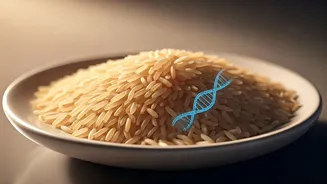
rice variety often carries an implicit health burden due to its high starch content, which the body rapidly converts into sugar. This rapid conversion is a significant contributor to the escalating global concern of Type 2 diabetes. Recognizing this challenge, scientists have embarked on a mission to fundamentally re-engineer this fundamental food. This initiative moves beyond simply coating grains with nutrients; it involves a deep structural modification of the rice itself. By breaking down the grain into its core components—starch, protein, and fiber—and then meticulously reassembling them, researchers are crafting a new kind of rice. This scientifically enhanced grain not only retains the familiar taste and cooking characteristics that consumers love but also delivers a substantially improved nutritional profile, positioning it as a proactive tool for enhanced metabolic well-being.
From Broken Grains to Superfood
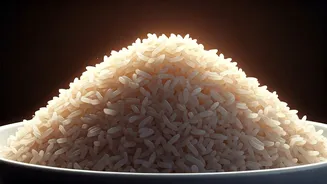
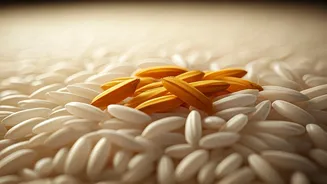
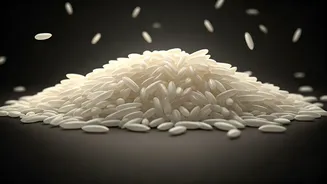
The ingenious approach to creating this 'designer rice' bypasses genetic modification, instead leveraging advanced food-processing techniques. The process begins with broken rice, often relegated to lower value uses. These fragments are ground into a fine flour. This flour is then meticulously blended with essential proteins and vital micronutrients, including iron, folic acid, and vitamin B12, enriching its nutritional foundation. The resulting mixture is then reformed into grains that are indistinguishable from conventional rice in appearance, texture, and taste. This method ensures that the enhanced rice integrates seamlessly into existing culinary traditions without requiring users to adopt unfamiliar foods or drastically alter their dietary habits. It's about enhancing a beloved staple from within, making healthier choices accessible and culturally compatible.
Nutritional Powerhouse Unveiled
This innovative 'designer rice' offers a significant nutritional advantage over its traditional counterpart. A key benefit is its substantially elevated protein content; while standard rice typically contains around 6–8% protein, this newly developed variety boasts over 20% protein. This dramatic increase contributes to a feeling of fullness and supports muscle health. Furthermore, the rice is engineered with a low glycemic index (GI) below 55, meaning it releases energy slowly into the bloodstream. This characteristic is crucial for individuals managing diabetes, as it helps prevent sharp spikes in blood sugar levels. The grain is also fortified with essential micronutrients like iron, folic acid, and vitamin B12, directly embedded within its structure. This fortification addresses critical nutritional gaps, particularly for populations susceptible to anemia, making it a comprehensive dietary improvement.
Bridging Nutritional Gaps
The impact of this enhanced rice on protein intake, especially in regions where rice is a dietary cornerstone, cannot be overstated. For many, particularly vegetarians or those with limited access to diverse protein sources, this innovation can substantially help in meeting daily protein requirements. While it is not intended to entirely replace other protein-rich foods like legumes, dairy, or eggs, it serves as a powerful complementary source. The sustained energy release due to its low GI and increased protein content can also contribute to improved overall energy levels and potentially aid in weight management efforts. The scientists' vision extends beyond mere nutritional enhancement; it aims to democratize nutrition by improving a fundamental food item, making healthier eating more attainable and integrated into everyday life without cultural or culinary disruption.
Future of Staple Foods
This scientifically advanced rice is poised for widespread accessibility. CSIR-NIIST has successfully transferred its technology to major industrial players like Consumer Products Limited, paving the way for commercialization and availability in local grocery stores. This ensures that the benefits of this improved grain will reach a broad segment of the population. The director of the project, Dr. C. Anandharamakrishnan, even notes that the increased protein content enhances the taste, making it potentially more appealing than conventional rice. This development underscores a significant stride in food science, offering a practical solution to widespread nutritional challenges and metabolic health concerns, all within the familiar and cherished format of rice.