






Understanding Tooth Loss
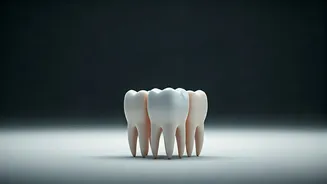
The common perception is that losing teeth is an inevitable consequence of aging. However, dental professionals emphasize that this is largely a misconception.
The primary drivers behind tooth loss in elderly individuals are not simply the passage of time, but rather cumulative damage from prevalent oral health issues. Specifically, chronic gum disease, more formally known as periodontitis, and persistent tooth decay are identified as the leading offenders. Together, these two conditions are responsible for over half of all tooth loss cases. This means that what might appear as an 'old person's problem' is, in fact, the result of long-term neglect of preventable dental conditions, exacerbated by various lifestyle factors, rather than an inherent part of the aging process itself. It's the accumulated effect of these issues over decades that ultimately leads to tooth loss, not age alone.
Preventive Habits Unveiled
Safeguarding your natural teeth for the long haul hinges on the consistent application of straightforward, daily practices. A fundamental pillar of this preventative approach is diligent oral hygiene, which includes brushing your teeth at least twice a day using a fluoride-containing toothpaste. It's crucial to employ the correct brushing technique, focusing on gentle, circular motions along the gumline to effectively remove plaque and debris without causing damage. Complementing this, flossing once daily is essential for reaching those tight interdental spaces where brushes cannot access, thereby preventing plaque buildup that can lead to decay and gum inflammation. For an additional layer of protection, incorporating an antibacterial mouthwash into your routine can further combat harmful bacteria and maintain a healthier oral environment. These habits, when performed consistently, form a robust defense against the conditions that lead to tooth loss.
Diet, Timing, and Warning Signs
Your dietary choices and eating habits significantly impact oral health, playing a crucial role in preventing tooth loss. It is advisable to moderate your consumption of sugary and acidic foods and beverages, as these can erode tooth enamel and promote decay. Furthermore, a common mistake is brushing your teeth immediately after consuming acidic items. It is recommended to wait approximately 30 minutes to allow your saliva to neutralize the acid and remineralize the enamel before brushing. Being attentive to early warning signs is also paramount. Issues such as increased tooth sensitivity, bleeding gums during brushing or flossing, persistent bad breath (halitosis), visible gum recession where the gums pull away from the teeth, or a sensation of teeth feeling loose are all indicators of underlying problems that require prompt attention. Addressing these symptoms early can avert more severe dental complications and prevent the progression towards tooth loss.
Lifestyle Factors Matter
Beyond the immediate concerns of brushing and diet, broader lifestyle choices significantly influence the long-term health of your teeth. Incorporating foods rich in essential nutrients like calcium, found in dairy products and leafy greens, and phosphorus, present in fish and eggs, is vital for maintaining strong tooth enamel. Additionally, consuming crunchy fruits and vegetables stimulates saliva production, a natural defense mechanism that helps wash away food particles and neutralize acids, thereby protecting against decay. Quitting smoking is another critical step; tobacco use is strongly linked to increased gum disease and other oral health problems. Moderating alcohol consumption also contributes to better oral hygiene. For individuals managing chronic health conditions such as diabetes, effective management of their illness is essential, as uncontrolled diabetes can adversely affect oral health and increase the risk of tooth loss. These integrated lifestyle adjustments create a more resilient oral environment.