








Nationwide Pharmacy Operations
Despite a call for a nationwide shutdown by the All India Organisation of Chemists and Druggists, most major pharmacy chains, hospital-based medical stores,
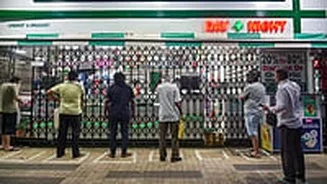
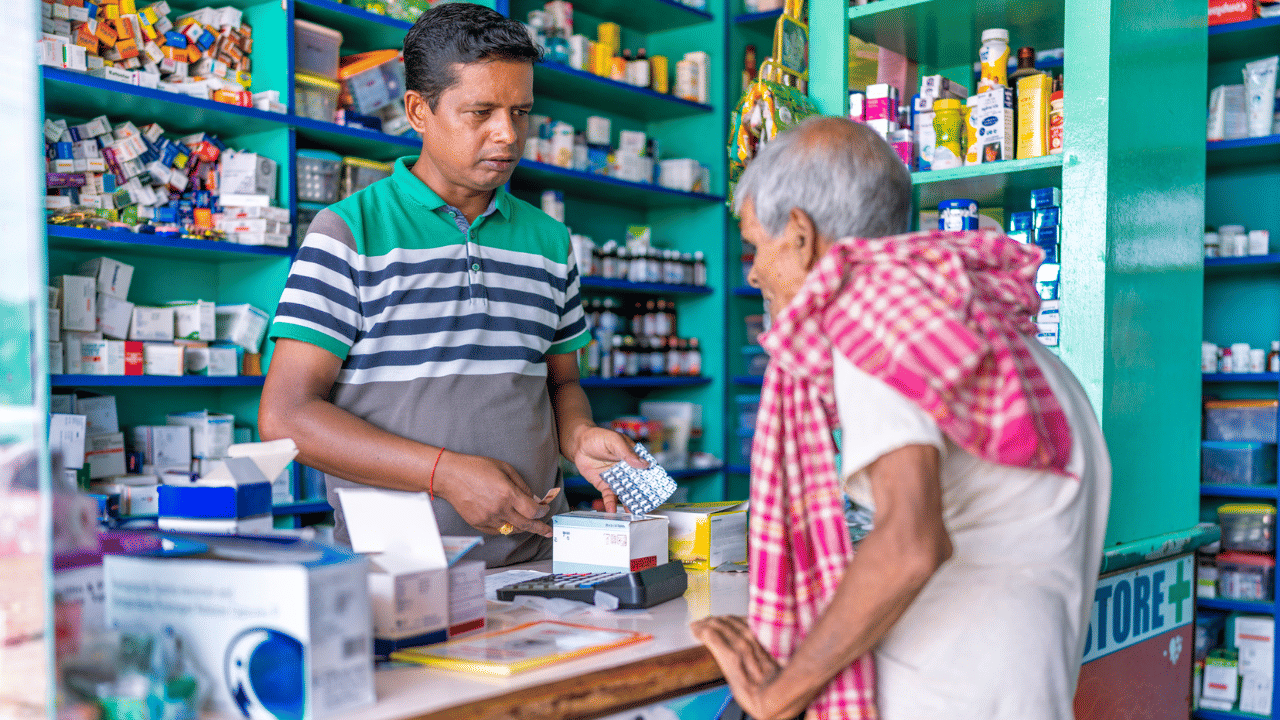
Jan Aushadhi Kendras, and AMRIT pharmacy outlets across India are slated to remain open on May 20. This critical decision aims to prevent any disruption in the supply and accessibility of essential medicines to the public. The move comes as a relief to many, particularly those dependent on regular medication, ensuring that their healthcare needs are met without interruption. This proactive stance highlights the commitment of these health service providers to public well-being above all else. The general shutdown was proposed in protest against the operations of e-pharmacies, but numerous associations have opted out, prioritizing patient care.
State Association Support
A significant number of state-level pharmacy associations have explicitly chosen not to participate in the proposed nationwide strike. Retail pharmacy associations from various states, including West Bengal, Kerala, Punjab, Maharashtra, Karnataka, Haryana, Uttar Pradesh, Ladakh, Gujarat, Chhattisgarh, Sikkim, and Uttarakhand, have officially declared their commitment to remaining open. These associations have provided written assurances of their intent to ensure that medicine availability is not compromised on the day of the protest. This widespread divergence from the national strike call underscores a unified focus on public interest and the imperative need to guarantee continuous access to vital medications for all citizens. Their collective decision reassures the public of sustained support for their healthcare requirements.
Regulator's Active Review
The decision to keep pharmacies operational stems partly from positive engagement with the national drug regulator. Representatives from the AIOCD recently met with regulatory authorities to voice their concerns regarding the functioning and oversight of e-pharmacies. The regulator, in response, assured stakeholders that these issues are under active consideration. Furthermore, the existing regulatory framework governing the e-pharmacy sector is undergoing a thorough examination to address legitimate concerns raised by retail pharmacy stakeholders. This constructive dialogue and the assurance of a review process have contributed to the decision by many associations to refrain from participating in the strike, fostering a sense of confidence in the regulatory process.
Public Health Priority
The potential for any disruption in chemist shop operations to cause severe inconvenience to patients, especially vulnerable groups relying on consistent access to life-saving and essential medicines, was a primary consideration. Moreover, the impact on critical medical supply chains was also a significant factor. Recognizing these potential ramifications, numerous retail pharmacy associations reassessed the situation. They expressed their satisfaction with the regulator's responsive and constructive engagement, which provided a basis for ensuring continued service. This collective decision prioritizes the health and well-being of the public, ensuring that essential medical supplies remain accessible regardless of broader protests or holidays.
Delhi's Election Holiday
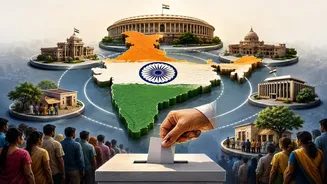
Adding to the circumstances, May 20 is designated as a public holiday in Delhi for all government departments and autonomous bodies due to the Lok Sabha elections. However, pharmacies and medical stores within the capital have been explicitly exempted from this holiday. This exemption is a deliberate measure by the Delhi government to guarantee that citizens have unimpeded access to essential medicines on election day. The government has also encouraged all residents to participate in the democratic process by casting their votes, ensuring that civic duties do not coincide with a lack of access to necessary healthcare provisions. This ensures a dual focus on democratic participation and public health.