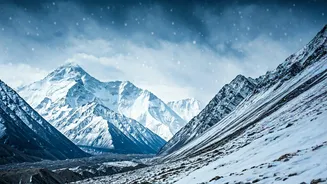

IMD's Cold Wave
The Indian Meteorological Department (IMD) has issued a warning about the return of a cold wave, predicting a significant drop in temperatures across North
India. This weather phenomenon is expected to bring along not only the cold but also rainfall and snowfall in certain regions. The IMD's forecasts are crucial for residents to prepare for the changing conditions, ensuring they take necessary precautions to stay safe and warm. This announcement comes after a period of a 'long dry spell' as mentioned by 'Weather Bee', indicating a shift in weather patterns. This means that after a relatively dry period, the region will now experience more precipitation and colder temperatures, impacting daily life and activities across the affected areas. Staying updated with the IMD's alerts becomes essential for making informed decisions and planning accordingly.
Rain and Snow
Alongside the cold wave, the IMD predicts that North India will witness both rain and snowfall. These precipitation patterns are a crucial part of the weather system, influencing the extent and severity of the cold. The arrival of rain and snow usually impacts various aspects of life, from transportation and agriculture to everyday routines. The timing and intensity of the rainfall and snowfall will determine how people adapt to the weather. Furthermore, these weather events also play a significant role in determining water availability and affecting regional ecosystems. Understanding the potential impact of rain and snow is critical for individuals and authorities. It allows them to adequately respond to associated challenges, whether in terms of safety, resource management, or ensuring necessary support for communities. This proactive approach helps to mitigate the negative effects of the cold wave.
Weather Bee's Insights
The 'Weather Bee' report gives insights into the weather dynamics leading up to the cold wave, highlighting a ‘long dry spell’ before the rain and snow arrived in North India. This information helps place the current cold wave in a larger context, demonstrating the transition from a period of dryness to the current precipitation and colder temperatures. The insights are important for understanding the complete weather narrative. They offer a comprehensive perspective by explaining not just the present conditions, but also the preceding phases that shaped the current situation. This provides valuable information for people to interpret the weather reports, allowing them to prepare for the long term and take precautionary measures in light of the weather change. Weather Bee's contributions provide vital context, helping to understand the evolution of the weather and its impact on the region.
Regional Impact
The impact of the cold wave, combined with rain and snow, will be felt across several regions in North India. Daily activities and different sectors may see a direct influence, ranging from transportation and agriculture to human health and well-being. Increased instances of cold-related illnesses such as flu and pneumonia can be expected. Travel plans may be disrupted due to unfavorable road and weather conditions. Local authorities and residents must collaborate to reduce the effects by providing adequate shelter for the needy, issuing safety guidelines, and ensuring timely information updates. Farmers are advised to take measures to secure their crops against potential damage caused by adverse weather conditions. People must stay vigilant and remain informed to effectively cope with the challenges that the weather poses. Collaboration among different stakeholders is key in guaranteeing the safety of the citizens.
Preparing for Winter
As the cold wave makes its presence, preparing for the winter becomes vital. This involves making lifestyle adjustments like wearing warm clothing and using heaters or other indoor heating sources to maintain a comfortable environment. Home safety measures like checking heating systems and ensuring adequate ventilation are also essential. It is also important to take precautions to safeguard health, such as consuming warm fluids and a healthy diet and being aware of the symptoms associated with winter ailments. Furthermore, knowing the local authorities' guidance and support services, for example, is essential for seeking help during emergencies. Effective preparedness and awareness help individuals to minimize the negative impact of the cold wave and ensure safety and health throughout winter.