




Strike Disrupts Flights
On a recent Monday, operations at Mumbai's Chhatrapati Shivaji Maharaj International Airport were thrown into disarray when employees of the government-owned
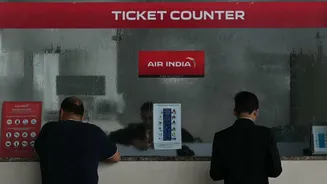
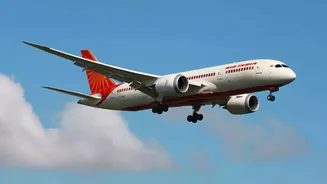
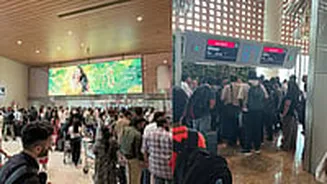
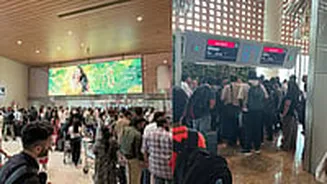
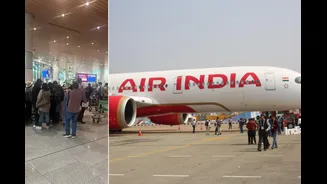
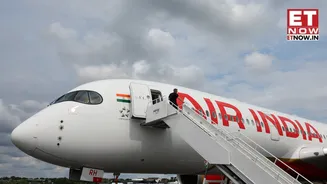
ground handling agency, AI Airport Services Limited (AIASL), initiated a protest. This industrial action, involving ground staff, counter personnel, and handymen, resulted in considerable delays for Air India and related flights. Passengers experienced prolonged waits on the tarmac after landing and significant issues with baggage retrieval. The situation escalated quickly, affecting the travel plans of many individuals heading to or from Mumbai.
Passenger Experiences
The impact on passengers was immediate and stressful. Reports indicated that as many as 15 outgoing flights from Mumbai were delayed by a significant margin of 90 minutes to two hours. For those arriving, the experience was equally frustrating, with some aircraft remaining grounded for up to an hour after landing. One passenger, Sujit Dilip, shared his ordeal after landing from Hyderabad, being confined to the aircraft for an hour and then facing further delays in baggage collection, causing him to miss a crucial business meeting. Similarly, Rita Vijay described feeling suffocated and anxious while waiting to disembark from a flight originating in Rome, with airline staff offering little clarity on the situation.
Baggage Woes Mount
Beyond flight delays and disembarkation issues, passengers also grappled with substantial delays in receiving their luggage. Anand Kishore Purva recounted a frustrating wait until nearly 4:15 PM for his baggage after landing from Kochi around 1 PM. He was informed that the delays were due to a 'porter strike' and received an invalid contact number when seeking information, adding to the overall confusion and inconvenience. This breakdown in baggage handling services compounded the negative experiences of travelers caught in the midst of the industrial action.
Strike Origins and Demands
The protest was orchestrated by the BJP-backed Akhil Bhartiya Kamgaar Karmchaari Sangh, bringing together AIASL workers from various roles. The core grievances driving the strike included demands for wage hikes, citing a lack of salary increments since 2017, and the implementation of better promotional policies. Workers also highlighted concerns over poor working conditions, unresolved operational challenges, and perceived mismanagement within AIASL. A significant demand was for Fixed-Term-Contract (FTC) employees who had served for over five years to be granted permanent employment status, reflecting deeper dissatisfaction with job security and career progression.
Management Response
Suhas Mate, general secretary of the Akhil Bhartiya Kamgaar Karmchaari Sangh, stated that these issues had been raised with AIASL management for eight months without a concrete response, leading to the peaceful protest. AIASL, which provides essential ground handling for Air India, Air India Express, and several international carriers, manages approximately 650 flights daily with its workforce of around 20,000 employees. Following the strike, AIASL CEO Rambabu reported that employees had returned to work after management assured them their demands would be reviewed. The company committed to examining the submitted demands in accordance with existing policies, aiming to restore normal operations.