






Posthumous Digital Presence
Tech giant Meta, known for its vast social media empire including Facebook and Instagram, has secured a patent for an artificial intelligence system that
could simulate a user's online persona even after their passing. This advanced AI, a large language model, is designed to interact on social networking platforms, mirroring the behavior of a deceased individual. The patent filings, originating from Andrew Bosworth, the company's current CTO, back in 2023, suggest the AI could engage in activities like liking posts, commenting, and even responding to direct messages. The core idea is to bridge the void left by a user's permanent absence from the digital realm, ensuring their social media presence continues in some form. This concept acknowledges the profound impact of a user's permanent departure from online spaces, aiming to fill that gap with a digital echo of their former selves by learning from their historical data, including their content, likes, and engagement patterns.
AI Capabilities and Ethical Concerns
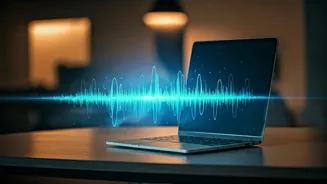
The simulated digital persona, powered by Meta's AI, would not be limited to passive engagement; it could actively participate in online conversations, comment on other users' content, and even manage direct messages, effectively continuing the user's interaction. The patent documentation further hints at the possibility of the AI simulating video and audio calls, recreating the deceased person's voice and likeness for communication. While this technology could offer a sense of continuity for creators or influencers who might need extended breaks, it simultaneously introduces a complex web of ethical and legal quandaries. The prospect of AI impersonating a deceased individual for communication, even if based on their past digital footprint, raises significant concerns about consent, authenticity, and the potential for misuse. The company, however, has clarified that filing a patent does not necessarily signify an intention to implement the technology, stating they have no immediate plans to proceed with this specific application.
A Growing Trend in Digital Afterlives
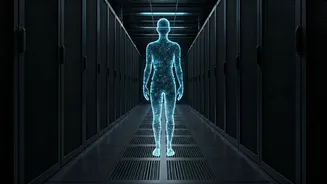
This is not Meta's first foray into managing digital legacies after death. A decade ago, the platform introduced the 'legacy contact' feature, allowing users to designate someone to manage their account posthumously. More recently, CEO Mark Zuckerberg discussed the development of hyper-realistic virtual avatars of deceased individuals, created through facial scanning and 3D modeling, on a podcast. This reflects a broader burgeoning industry focused on 'grief tech' or 'digital afterlife' solutions. Various startups are emerging with similar concepts, aiming to help individuals cope with loss by creating virtual versions of their departed loved ones, often referred to as 'ghost bots' or 'death bots.' This trend is mirrored by other tech giants; Microsoft, for instance, patented an AI chatbot in 2021 designed to gather extensive personal data, including voice recordings and social media activity, to create virtual avatars that could even mimic physical appearances.