




Early Onset Pain
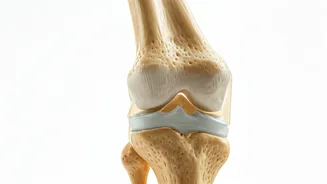
According to a Kolkata radiologist, joint pain is becoming increasingly prevalent among Indians, and a concerning aspect is its onset in individuals in their
30s. The reasons behind this shift towards earlier occurrences are multifaceted, encompassing lifestyle, dietary habits, and environmental influences. The radiologist suggests that lifestyle factors, such as limited physical activity, long hours of sitting, and a diet lacking essential nutrients, are contributors. Additionally, environmental pollution and exposure to toxins could exacerbate the condition. Another element to consider is the modern lifestyle which involves constant usage of digital devices that may lead to poor posture and overuse injuries. These factors, acting in concert, are likely accelerating the deterioration of joint health among younger individuals, which leads to increased occurrences of joint pain.
Diet and Joint Health
Dietary choices significantly impact joint health, as a Kolkata radiologist points out. The modern Indian diet, often heavy on processed foods, saturated fats, and sugars, can trigger inflammation in the body. Chronic inflammation is known to weaken the joints over time, making them more susceptible to pain and injury. Insufficient intake of essential nutrients like calcium, vitamin D, and omega-3 fatty acids further complicates the situation. Calcium and vitamin D are crucial for bone health, while omega-3s are renowned for their anti-inflammatory properties. To prevent joint pain, the radiologist emphasizes the importance of incorporating a balanced diet that includes fresh fruits and vegetables, lean proteins, and whole grains. Also, regular intake of foods rich in omega-3s, such as flaxseed and fatty fish, might assist in promoting joint health.
Role of Activity
Regular physical activity plays a vital role in keeping joints healthy. The Kolkata radiologist underscores that a sedentary lifestyle is a significant contributor to the rising incidence of joint pain. Prolonged inactivity leads to weakened muscles and ligaments around the joints. When these supporting structures are weak, the joints are exposed to increased stress and become vulnerable to damage. Regular exercise, especially activities like walking, swimming, and cycling, strengthens these supporting muscles, improves joint flexibility, and promotes circulation. The radiologist stresses the significance of regular movement and exercise in preserving joint health. Additionally, incorporating exercises that improve posture, such as yoga or Pilates, can help alleviate strain on the joints, thereby preventing early-onset joint pain.
Addressing Joint Pain
To address joint pain, the Kolkata radiologist advises a holistic approach, which involves addressing both the symptoms and the underlying causes. If joint pain is noticed, it is important to visit a healthcare professional to identify the specific cause. The radiologist suggests that depending on the condition, treatment plans might involve a combination of medication, physical therapy, and lifestyle adjustments. Anti-inflammatory medications can provide immediate relief from pain and swelling, while physical therapy can help improve joint function and mobility. Furthermore, the radiologist suggests that patients should consider making changes to their lifestyle. These lifestyle changes would include adopting a healthy diet, incorporating regular exercise, and managing weight to reduce stress on the joints. Also, people must get the right amount of sleep and minimize stress.