
Metro's Historic Hub
The Mumbai Metro's Hutatma Chowk exit offers more than just a quick escape from the underground; it catapults commuters into a living museum of colonial-era
architecture. This specific location is strategically placed, allowing immediate access to buildings that stand as testaments to the city's rich past. The very act of emerging from the metro at this point feels like stepping back in time, with the impressive structures immediately visible, and creating an overwhelming sense of stepping into a different world. The surroundings are a vivid contrast to the modern transport system, providing a visual and experiential journey through time. One can immediately see how the area has been so well preserved, retaining the look and feel of the colonial era. Walking around here is like reading a history book, each building carrying a tale of its own, waiting to be uncovered and appreciated. This is a special spot, providing instant immersion in a significant period of the city’s development.
Echoes of the Past
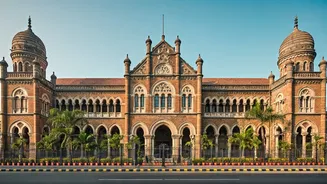
The colonial influence on Mumbai is evident in the area around Hutatma Chowk. The architecture speaks volumes about a period when the city was a vital hub for trade and administration. From intricate facades to grand designs, each structure tells a story of the ambitions and cultural exchanges of that era. The careful planning and execution of these buildings highlight the importance the colonial rulers placed on establishing a prominent presence, and also the architectural know-how of that period. Buildings constructed during this time often showcase a blend of styles, incorporating local craftsmanship with European designs. This fusion created a unique architectural identity that is still a point of pride. Wandering through the area allows one to appreciate the skill and vision that were invested in these structures. The preserved buildings also offer insights into the social hierarchy and lifestyle of the colonial period, giving a deeper understanding of the city’s evolving history.
Iconic Structures Unveiled
Around the Hutatma Chowk exit, several iconic structures demand attention. The Flora Fountain, with its ornate design and historical importance, is one of the most visible landmarks. It served as a vital meeting point during the colonial era and remains an integral part of the city’s daily life. Adjacent to the fountain, one can observe the grand buildings that were once centers of business and government. These structures, constructed using materials and techniques of the time, provide a clear illustration of the economic and political importance of Mumbai. The architecture of these buildings reflects the aspirations and power of the colonial rulers, as well as their desire to leave a lasting mark. The proximity of these landmarks makes the area a hub for those interested in history. One can easily spend hours exploring the area, soaking in the architectural detail and learning about its past.
A Walk Through Time
Exploring the area around Hutatma Chowk on foot allows for a deep dive into its history. Walking through the streets is like stepping into a different world, where modern life and the remnants of the past coexist seamlessly. The layout of the roads, the placement of the buildings, and the various architectural styles work together to create an environment that tells a story. The colonial buildings are not just remnants of the past; they are also integral parts of the modern city, serving various purposes while still preserving their historical essence. The vibrant energy of the modern city merges with the tranquility of the past, creating a unique atmosphere. This juxtaposition allows for a richer and more meaningful experience for anyone who visits. The Hutatma Chowk area provides a perfect blend of history, culture, and architecture, waiting to be discovered by curious minds.