




Safe Passage Secured
In a crucial operation amidst escalating geopolitical tensions in West Asia, a contingent of 345 Indian fishermen successfully returned to Chennai on Saturday
evening. These individuals, predominantly hailing from Tamil Nadu, were evacuated from Iran via a transit through Armenia. The flight's arrival in Chennai was strategically chosen due to the significant number of fishermen from southern India among those repatriated. Officials have indicated that this is just the beginning, with anticipation for more groups of fishermen to be brought back in the coming days, underscoring the ongoing efforts to ensure the safety of Indian citizens in volatile regions. This operation highlights the intricate diplomatic and logistical coordination required to manage such evacuations.
Extensive Network in Iran
It is estimated that over 1,000 Indian fishermen, primarily from Tamil Nadu, are currently engaged in work in Iran. This recent evacuation represents a significant first step in bringing them home, as it involved transporting individuals from the southern parts of Iran to the northern regions bordering Armenia. From there, their passage into Armenia was facilitated by the Indian Embassies located in Tehran and Yerevan. This complex routing was necessary to bypass immediate conflict zones and utilize safer transit corridors. The effort signifies the depth of Indian expatriate communities in the region and the commitment to their welfare.
Diplomatic Support Crucial
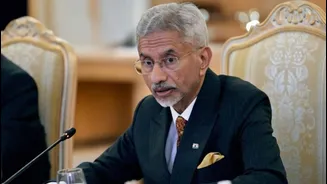
The successful repatriation of these fishermen was bolstered by strong diplomatic backing. External Affairs Minister S. Jaishankar publicly acknowledged and expressed gratitude towards his Armenian counterpart, Ararat Mirzoyan, and the Armenian government for their instrumental role in facilitating the evacuation. Jaishankar's statement on social media platform X specifically lauded the efforts for enabling the fishermen's journey from Iran, through Armenia, and finally to India. This international cooperation was vital in overcoming the logistical hurdles and ensuring a safe passage for the stranded Indian nationals.
Broader Evacuation Efforts
The return of these fishermen is part of a larger, ongoing initiative to extract Indian citizens from Iran due to the heightened conflict in West Asia, which began over a month prior. Since the conflict's onset, more than 1,150 Indian nationals have been evacuated from Iran using land routes that cross into Armenia and Azerbaijan. This is in addition to commercial flights. Earlier, on March 15th, the initial batch of Indian nationals to return from Iran comprised 70 students, mostly from Jammu & Kashmir, and some pilgrims, who arrived in New Delhi via Armenia. These efforts demonstrate the government's comprehensive strategy to assist its citizens abroad in times of crisis.
Support for Citizens
At the time the West Asia conflict erupted on February 28th, it was understood that approximately 9,000 Indian citizens, a significant portion of whom were students, were residing in Iran. This broader population also included seafarers, business professionals, and pilgrims. New Delhi has been actively supporting its citizens by organizing their departure from Iran. This involves facilitating their travel through neighboring countries like Azerbaijan and Armenia, from where they can board commercial flights back to India. The Ministry of External Affairs is actively providing essential visa support and aiding in border crossings for any Indian national wishing to leave the country through these neighboring territories.