





The Looming Gas Shortage
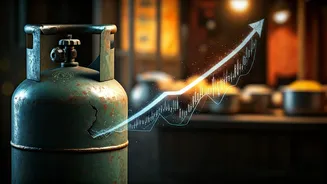
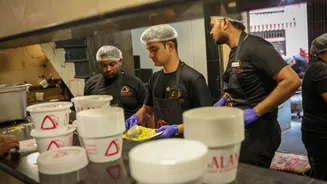
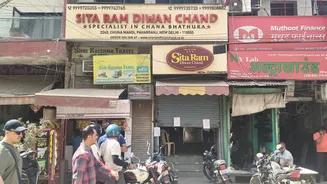
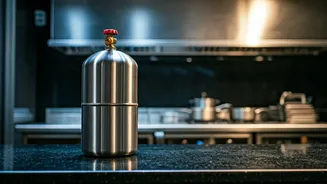
A significant shortage of commercial LPG cylinders has plunged Delhi's vibrant food scene into disarray, compelling numerous street vendors and small restaurant
owners to cease operations. This crisis is directly linked to global geopolitical events, specifically Iran's disruption of oil and gas supplies through the Strait of Hormuz, a vital artery for approximately 20% of international energy shipments. Consequently, the cost of cooking fuel has skyrocketed for local businesses. For instance, Roshan Yadav, a litti chokha vendor in Mayur Vihar, was forced to shut his stall on March 10th due to these supply issues. He recounted the exorbitant prices he encountered when attempting to source gas on the black market, being quoted Rs 600 per kilogram. Such costs are unsustainable for his earnings, leading to difficult decisions about his livelihood. Even after a brief reopening with increased prices by Rs 10, customer reluctance to pay more exacerbated his financial strain.
Impact on Daily Operations
The struggle is widespread, with thousands of small-scale food providers in Delhi facing similar predicaments. Ashu, who has operated a samosa, kachori, and tea stall near Shastri Bhavan for nearly four decades, expressed the unavailability of commercial LPG cylinders. His business, like many others, is resorting to using domestic gas cylinders as a temporary measure to stay afloat, though this is not a sustainable long-term solution. This workaround comes with its own set of compromises, including increased prices and a noticeable decline in customer volume. Ashu indicated that they are on their last cylinder, and without a reliable supply, closure would be the inevitable outcome. While authorities have assured the resumption of commercial LPG supplies, many vendors report not yet receiving any relief, contributing to the current wave of business closures.
Consumer Ramifications and Inflation
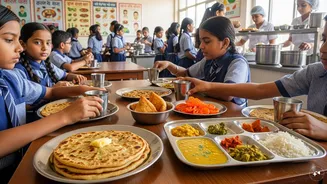
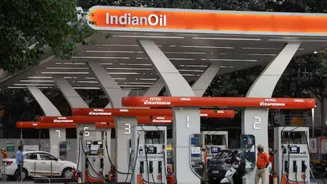
The fallout from the LPG crisis extends beyond business closures, directly impacting consumers through rising food costs. A significant portion of India's LPG requirement, about 62%, is imported, with nearly 90% of this volume transiting through the Strait of Hormuz. Despite a reported 38% increase in domestic LPG production by India, the surge in demand has outstripped supply. Daily gas bookings have escalated from 70 lakh to 89 lakh, while the available supply remains limited to 50 to 60 lakh cylinders daily. This imbalance has led to a noticeable price hike in street food and restaurant meals. A survey by LocalCircles, polling 38,000 individuals, indicated that one in two customers observed price increases at street stalls and eateries. Street food prices have risen by 10-25% over the past week, and restaurants have followed suit with increases of up to 25%. Approximately 57% of respondents reported higher expenses when dining out or ordering online, with 54% noticing increased costs at street food vendors.
Stranded Supplies and Future Outlook
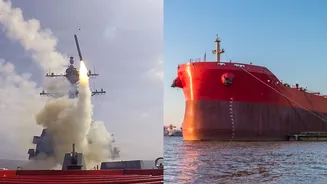
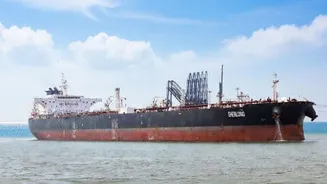
The logistical challenges in addressing the LPG shortage are considerable. Although recent shipments have arrived in India, carrying 92,700 metric tonnes of gas, this quantity is barely enough to meet one day's demand. Compounding the issue, six Indian LPG vessels, loaded with approximately 300,000 metric tonnes, are currently held up in the Persian Gulf. While this shipment would suffice for about 3.5 to 4 days, its delayed arrival prolongs the period of scarcity. With no immediate resolution to the geopolitical tensions or logistical bottlenecks, the gas supply crisis is anticipated to continue. This prolonged shortage is expected to exert further pressure on both the operational costs of food businesses and the budgets of households across the nation, necessitating adaptation and potentially the exploration of alternative cooking fuel options as advised by the government.