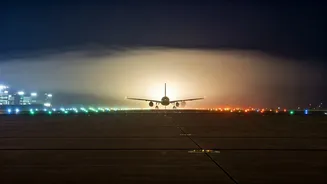








Fog's Grip Tightens
Delhi-NCR experienced a significant episode of dense fog, which severely reduced visibility. The impact of this weather phenomenon was felt across the region,
causing major disruptions to everyday activities. The extent of the fog's intensity was substantial, creating hazardous conditions for both drivers and pedestrians. This adverse situation led to widespread difficulties in transportation networks, impacting flight schedules and ground transport. Reports indicated that the fog was particularly dense, leading to significant delays and cancellations. As a result, authorities were compelled to issue various advisories to manage the consequences of reduced visibility. The situation caused a sense of urgency, with the public advised to take precautions.
Airport Issues Advisory
Airport authorities reacted to the dangerous fog by releasing specific advisories. These guidelines were necessary due to the extremely low visibility conditions that were affecting flight operations. The advisories were designed to inform travelers about the potential delays and other disruptions caused by the fog. Passengers were advised to check their flight statuses and to anticipate possible changes in their travel plans. These announcements helped manage the situation, as airlines and airport staff worked to minimize the impact of the fog on passengers. The authorities' proactive measures were aimed at ensuring passenger safety and making sure that operations remained as efficient as possible despite the difficult conditions. The advisories reflected a comprehensive effort to deal with the challenges of the fog.
Visibility Drops Below
The dense fog led to an extreme reduction in visibility, falling below 50 meters in some areas. This very limited sight made travel conditions exceedingly hazardous. The visibility data underscored the severity of the situation, making the air travel conditions unsafe. Driving was particularly difficult because of the fog, and authorities warned people to drive with caution and take necessary steps. The drop in visibility to such a low level required drivers to slow down and use their vehicle lights effectively. This challenging scenario also led to increased delays and cancellations as airlines struggled to maintain their flight schedules under these conditions. The drop in visibility served as a crucial measure of the intensity of the fog, confirming the severity of the situation and its widespread impact.
Ground Report Details
Ground reports provided insights into the practical effects of the fog on the people and infrastructure of Delhi-NCR. These reports detailed the practical challenges people faced as they navigated their daily routines in dense fog. The transportation systems, like roadways and public transit, experienced delays and other disruptions. The fog also had a knock-on effect on other areas of daily life, causing problems for commuters as well as for those involved in commerce. The impact stretched across a broad spectrum, affecting everything from schools to businesses. The reports highlighted both the immediate issues and some of the extended consequences of the weather. These detailed reports gave a clearer view of the challenges faced by the population of Delhi-NCR during the fog.