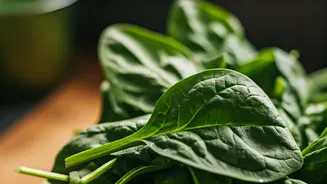






Spinach's Nutritional Powerhouse
Spinach is a veritable superfood, offering a wealth of health benefits that extend far beyond its association with fictional heroes. Its high water and
fiber content contribute significantly to daily hydration and digestive wellness, acting as a natural detoxifier. Furthermore, this leafy green plays a crucial role in regulating blood sugar levels, making it a valuable addition for those managing glycemic health. The iron present supports the vital production of red blood cells, while its overall composition is known to boost energy and stamina. Beyond these immediate impacts, spinach is a rich source of potent antioxidants like vitamin C, beta-carotene, and lutein. These compounds are instrumental in promoting radiant skin, fostering robust hair health, and fortifying the body's immune defenses. The presence of nitrates enhances cardiovascular health by improving blood circulation, and its vitamin K and calcium content are essential for maintaining strong bones. Additionally, the lutein and zeaxanthin found in spinach are vital for preserving vision, offering protection against age-related macular degeneration. Its fiber and potassium also work in tandem to support heart function by helping to manage cholesterol levels. Regular consumption can lead to improved blood circulation, better iron absorption, and can assist in weight management efforts, provided it is part of a balanced dietary approach.
The Raw Spinach Conundrum
While spinach offers numerous advantages when consumed, experts highlight a significant concern regarding its raw preparation: the presence of oxalic acid. This naturally occurring compound has the potential to bind with essential minerals like calcium and iron within the body, forming insoluble crystals. When spinach is eaten raw, this oxalic acid remains largely undigested by the body's natural processes. Consequently, it can impede the absorption of crucial minerals such as calcium and iron, diminishing the nutritional benefits one might otherwise gain. Moreover, consuming spinach in its raw state can sometimes lead to digestive discomfort, particularly for individuals prone to acidity, potentially causing constipation. To mitigate these issues and ensure safer consumption, a simple cooking process is recommended. Even brief methods like light steaming or blanching for a few minutes can effectively break down the oxalic acid. This process not only neutralizes the antinutrient effect but also aids in making the vitamins and minerals within the spinach more bioavailable for absorption, allowing your body to harness its full goodness.
Optimizing Spinach Consumption
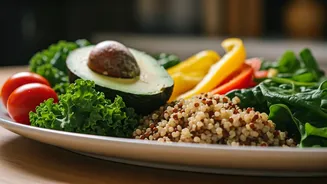
To maximize the health benefits of spinach while minimizing potential drawbacks, specific preparation and consumption strategies are advisable. Experts suggest that while having spinach on an empty stomach can enhance nutrient absorption, hydration, and digestion, the raw form presents challenges due to oxalic acid. Cooking, even for a short duration, is key to reducing this compound and improving mineral uptake. For instance, a quick blanch or steam can make a significant difference. It's also beneficial to consider what spinach is paired with. To counteract potential issues with iron absorption, combining spinach with sources of vitamin C, such as a squeeze of lemon juice or segments of orange, can substantially enhance the bioavailability of iron. This synergistic effect ensures your body can effectively utilize this vital mineral. Furthermore, integrating other hydrating and alkaline vegetables like cucumber or celery into spinach preparations can elevate its nutritional profile and improve palatability. For those seeking to retain the fiber, which is crucial for digestive health and satiety, blending or blanching spinach is preferred over juicing. This approach preserves the fiber content, contributing to a more filling and beneficial meal. Lastly, it's worth noting that consuming spinach alongside dairy products should be approached with caution, as the calcium in dairy might interfere with iron absorption. Aiming for moderate consumption, perhaps three to four times weekly, ensures you reap the rewards without overdoing it.