








The USSD Threat
Unstructured Supplementary Service Data (USSD) codes are integral to modern mobile communication. They are used for various functions like checking account
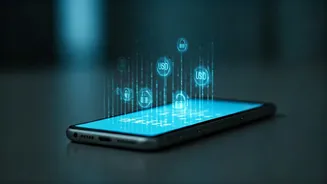
balance or activating services, often initiated with a short code entered on the phone's keypad. These codes allow for quick interactions with a network provider, but they also have a darker side. USSD codes, by design, execute commands on a mobile device. Malicious individuals can potentially exploit this feature by crafting USSD codes that can access and control devices. The implications of this are significant: a phone can be hijacked to perform actions like changing settings, accessing data, or even making calls without the user's consent. This is a potential risk that must be addressed with awareness and preventive measures.
How Hijacking Works
The method of using a delivery call to hijack a phone begins when a user receives a phone call with an embedded malicious USSD code. Once the call is answered, the phone automatically executes the code. The malicious code is designed to interact with the device's system, and the specific actions performed can vary greatly, depending on the code's objective. In some cases, the code might be designed to access the user's contact list, steal financial information, or install malware. The speed at which this process can take place is concerning; the user can be completely unaware that their device has been compromised. The attacker's objective is to gain control, and the hijacking can be executed without any obvious signs of compromise, emphasizing the need for robust security measures.
Security Precautions
Protecting your phone from USSD-based attacks requires a proactive and vigilant approach. One of the first steps is to avoid answering calls from unknown or suspicious numbers. Even if the call looks legitimate, always be cautious. It is also essential to ensure that your phone's operating system is up-to-date. Software updates often include security patches that address vulnerabilities like those exploited by USSD attacks. Additionally, consider using security applications that can identify and block malicious USSD codes. Some applications can also alert the user to suspicious activities. Reviewing your phone's settings and privacy controls, making sure they are configured for maximum security, is a good habit. Finally, maintain awareness of current threats, and regularly educate yourself on best practices for mobile security.