
Policy Overhaul Underway
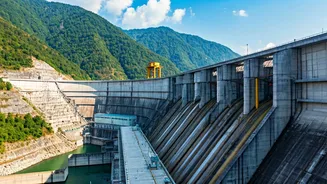
The CEA is reportedly reviewing existing environmental guidelines for hydroelectric and pumped storage projects. The goal is to make these regulations
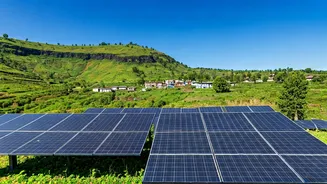
less stringent. This initiative is part of a broader push to encourage the growth of renewable energy sources across India. By streamlining the approval processes, the CEA hopes to reduce delays and speed up project implementation. This would, in turn, help India meet its ambitious targets for green energy capacity. The changes, if implemented, could affect how future hydro and pumped storage projects are planned and executed across the country, paving the way for more sustainable infrastructure development.
Focus on Efficiency
The primary objective behind the CEA's move is to boost the efficiency of project approvals. Current environmental clearances often involve lengthy procedures, causing significant delays. These delays can lead to increased costs and can also impact the overall viability of hydro and pumped storage projects. The proposed relaxation aims to address these bottlenecks. By making the rules less burdensome, the CEA hopes to clear the path for quicker project starts. This focus on efficiency is aligned with the government's broader commitment to accelerating infrastructure development, especially in the renewable energy sector. The reduction in red tape is a key strategy for attracting investment and encouraging the development of more sustainable energy projects nationwide.
Hydro Power Significance
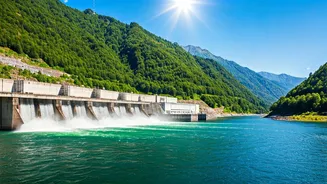
Hydroelectric power remains a crucial element within India's renewable energy mix. Hydro projects offer a reliable and consistent source of electricity. They also provide valuable grid stability and can support the integration of other variable renewable sources, like solar and wind. Pumped storage projects are particularly important as they act like massive batteries, storing excess energy and releasing it when needed. By easing regulations for these types of projects, the CEA aims to bolster India's capacity to generate clean energy and achieve its sustainable development goals. This approach recognizes the vital role hydropower plays in achieving a cleaner and more secure energy future.
Environmental Considerations
It is important to acknowledge that any easing of environmental regulations raises concerns. There are worries about potential impacts on ecosystems and local communities. Hydroelectric projects, in particular, can have significant environmental footprints, including changes to river flows and disruption of habitats. The CEA's challenge will be to balance the need to expedite project approvals with the need to protect the environment. This means ensuring that any regulatory changes are carefully considered and include effective mitigation measures. This could involve stringent monitoring, robust environmental impact assessments, and consultation with stakeholders to reduce the adverse effects of projects and ensure sustainable development.
Future Implications Unveiled
If the CEA proceeds with its plan to ease green norms, the impact could be profound. It could lead to a surge in hydro and pumped storage projects across the country. This could accelerate the shift towards a more sustainable energy system, reduce dependence on fossil fuels, and contribute to India's climate commitments. However, the exact outcomes will depend on the details of the changes and how effectively environmental safeguards are implemented. Careful planning and management will be essential to ensure that the benefits of expanded hydropower are realized without undermining the health of the environment and the well-being of the communities. The long-term success of this initiative will be determined by how well the CEA navigates these competing demands.