






Reality vs. Romance
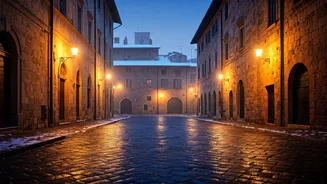
Venice, a city synonymous with romance and beauty, often evokes images of gondolas gliding through picturesque canals. However, this idyllic image can sometimes
clash with the realities experienced by visitors. An Indian traveler, in a recent video, brought attention to one such reality: the unpleasant smell emanating from the city's canals. This observation provides a contrast to the perfectly curated experiences typically shared on social media, showcasing a different facet of Venice that might be unexpected for many tourists. This revelation challenges the idealized notions often associated with the city, sparking a discussion about the disparity between expectation and actual experience.
The Unpleasant Odor
The traveler's main point of contention was the persistent and pervasive odor that permeated the air, affecting her overall enjoyment of the city. While the canals contribute to Venice's charm, they also appear to be a source of an unpleasant smell that can be overpowering. This is often a result of stagnant water and sewage, especially during warmer months. This experience underscored the importance of acknowledging the less-than-perfect aspects of travel, which is something that doesn't always show up on curated Instagram feeds. This observation offers a more grounded perspective on Venice, emphasizing that the city is not just beauty and canals; it's a place with its own set of challenges that can impact visitors' experiences in tangible ways.
Beyond the Surface
The traveler's experience goes beyond a mere sensory observation; it speaks to the broader issue of managing expectations in travel. Social media often presents a highly polished and filtered view of destinations, creating an impression that might not fully represent reality. In the case of Venice, the carefully constructed facade of beauty can overshadow the logistical and environmental challenges that are inherent to the city. By highlighting the smell, the traveler encourages a more realistic approach to travel planning, suggesting that acknowledging potential downsides can make the experience more balanced. This perspective serves as a reminder to balance idealized expectations with the practical realities of a place, fostering a more authentic and informed travel experience.
Impact on Experience
For the traveler, the smell was a significant deterrent, negatively impacting her enjoyment of the city. The unpleasant odor overshadowed the visual splendor, altering her overall impression and making it difficult to fully immerse herself in the experience. This illustrates the crucial role that sensory factors play in shaping travel perceptions. A strong, unwanted smell can override the appreciation of beauty and historical significance. This instance demonstrates how environmental conditions can significantly influence a traveler's satisfaction and the lasting memories they form. It also emphasizes the importance of managing expectations regarding the reality of travel destinations, since sensory elements can greatly affect a visitor's experience, whether positive or negative.