





Safety First
The 2026 Railway Budget prioritizes safety improvements. This commitment includes significant funding for modernizing signaling systems and upgrading track
infrastructure. These critical investments intend to drastically reduce accidents and improve overall railway safety. The focus on safety not only safeguards passengers but also increases the efficiency and reliability of railway operations, creating a more secure travel experience across the network.
Rolling Stock Enhancements
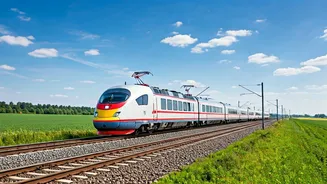
A major portion of the Railway Budget 2026 is devoted to enhancing the rolling stock. This encompasses the procurement of new, advanced trains and upgrading existing ones to improve passenger comfort. These modern trains will have advanced features, boosting the passenger experience. These measures indicate the government's aim to provide better amenities and encourage increased patronage of the railways as a preferred mode of transport, thus ensuring a sustainable growth model.
New Lines & Electrification
Expanding the rail network is another vital aspect of the Railway Budget 2026. Substantial allocations have been made to construct new railway lines and electrify existing ones. These projects are intended to increase the accessibility of railways, particularly in underserved regions, thereby boosting connectivity and promoting economic development in those areas. Electrification efforts will also contribute to reducing the carbon footprint of the railway system. This highlights a concerted effort to create a more expansive and environmentally friendly railway system.
Capex Allocation Overview
The Railway Budget 2026 includes extensive capital expenditure (capex) allocations. These funds are strategically allocated across various developmental areas, with safety, rolling stock, new lines, and electrification receiving the most significant investments. This strategic allocation reflects a comprehensive approach to modernizing the railway system. The capex investments are designed to not only improve immediate infrastructure but also lay the groundwork for long-term sustainability and operational efficiency, promoting continuous advancement in railway services.