





IMD's Winter Warning
The Indian Meteorological Department (IMD) has issued a significant winter weather advisory for the state of Uttarakhand. This warning encompasses three
primary threats: dense fog, frigid cold waves, and the anticipation of snowfall. The advisory serves as a crucial heads-up, alerting residents and visitors to the potential hazards and disruptions these conditions may bring. Such alerts from the IMD are vital for ensuring public safety, enabling people to take necessary precautions. These alerts offer the public and relevant authorities the opportunity to prepare and react to the adverse weather conditions. People can therefore make informed decisions regarding travel plans, outdoor activities, and taking precautions.
Dense Fog Impacts
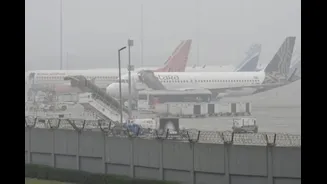
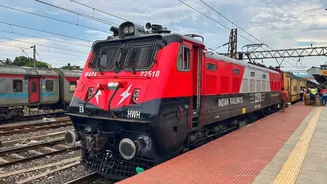
Dense fog, a key component of the IMD's warning, can significantly reduce visibility, posing considerable risks to transportation. Road travel becomes dangerous as visibility decreases, increasing the likelihood of accidents. Air travel and rail transport are also vulnerable, frequently experiencing delays or cancellations due to poor visibility. The alert emphasizes the importance of caution for all travelers, encouraging them to check weather forecasts and plan accordingly. The fog's impact goes beyond transport; it can also affect daily routines. Schools may be disrupted, and outdoor activities might be restricted for safety reasons. It's imperative that people stay informed through reliable sources like the IMD's official channels and local news outlets to minimize risks during such conditions.
Cold Wave Challenges
The cold wave poses several health-related challenges, specifically in Uttarakhand's hilly regions. Prolonged exposure to extreme cold can lead to various health issues, including hypothermia and frostbite. Vulnerable populations, such as the elderly, children, and those with pre-existing health conditions, are at a higher risk. The IMD's warning highlights the need for protective measures to stay warm and healthy. These measures include wearing warm clothing, staying indoors when possible, and ensuring proper shelter from the elements. Additionally, the alert may advise people to monitor their health, seek medical attention if necessary, and keep informed about weather updates. During a cold wave, it's particularly important to take care of those who are most at risk and ensure they have access to adequate resources.
Snowfall's Potential Effects
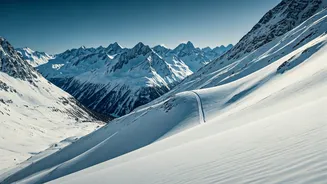
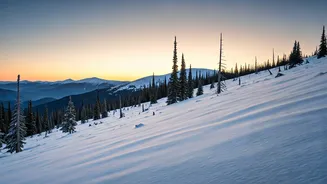
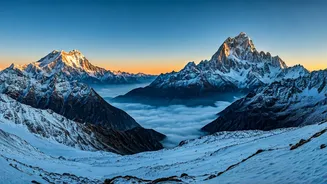
The snowfall forecast presents its unique set of challenges and opportunities for Uttarakhand. While snowfall contributes to the scenic beauty, it also brings logistical difficulties. Roads can become blocked, potentially isolating remote areas and hindering the delivery of essential supplies. The presence of snow can be a significant hazard, making travel hazardous, particularly in mountainous regions. The IMD's warning underlines the importance of being ready for possible disruptions related to transportation and daily routines. However, snowfall can also lead to benefits, such as increased tourism. Ski resorts and other winter attractions may see a boost in visitors, which can have positive impacts on the local economy. It's essential to strike a balance, mitigating the risks while leveraging any potential benefits.
Safety Measures Advised
Responding effectively to the IMD's winter alert is essential for ensuring public safety and minimizing any adverse effects. The authorities typically issue specific guidelines on how the public can respond to these weather warnings. It's important to monitor weather updates regularly via official channels, like the IMD website or local news, to stay informed about the developing conditions. Travelers should check road and transport conditions before starting their journeys, and adjust their plans if necessary. Dress in layers, wear warm clothing, and take precautions against the cold. In the event of snowfall, drive cautiously, be aware of road conditions, and have appropriate safety equipment in the vehicle. Staying prepared, following guidelines, and helping others are all crucial components of weathering the winter safely.