




The Pioneer of Height
Chennai, historically known for its lower-rise urban fabric due to planning regulations and radar constraints, is now witnessing a distinct shift towards
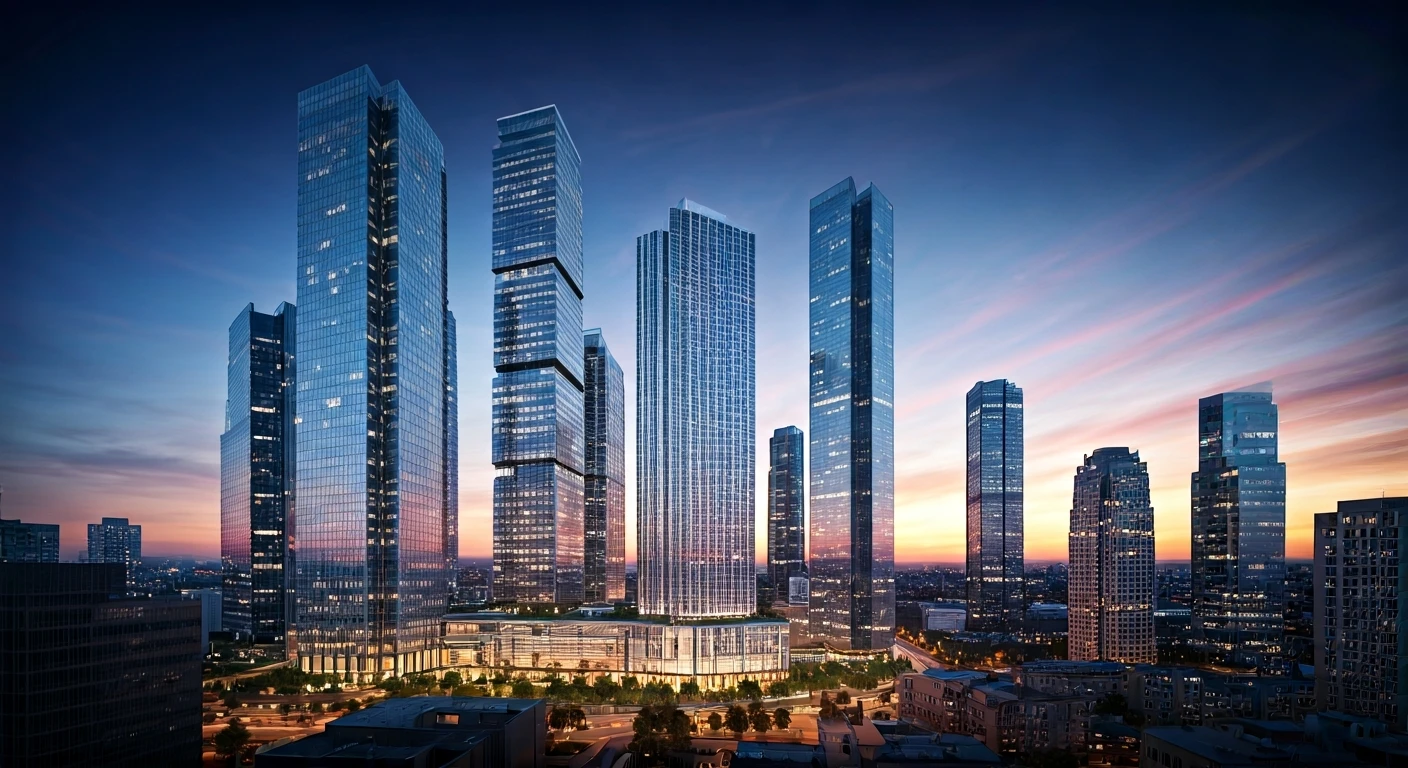
vertical construction. This change is propelled by escalating land values and the imperative for redevelopment, making upward expansion a practical necessity rather than a mere option. Developers are increasingly focusing on taller projects, particularly along key corridors like OMR, Perumbakkam, and the northern areas, marking a silent yet undeniable evolution in the city's architecture. This new wave of development isn't just about aesthetics; it's a response to economic pressures and the growing demand for space in a densely populated metropolis. The recent emergence of towering structures signals a departure from Chennai's traditional architectural identity.
SPR Highliving District
Currently holding the title of Chennai's tallest building, SPR Highliving District Tower H in Perambur stands impressively at over 170 metres and comprises 45 floors. This architectural marvel is a cornerstone of the larger SPR City development, embodying a magnified ambition for Chennai's urban planning. Its design integrates both residential and commercial functionalities, creating a comprehensive, self-contained community hub. This project signifies a new scale of development for the city, pushing boundaries and setting a precedent for future mixed-use high-rise complexes. The sheer presence of this tower highlights Chennai's burgeoning capacity for large-scale, high-density urban projects, reflecting a modern approach to city living and commerce.
Hiranandani Anchorage
Located in Egattur along the Old Mahabalipuram Road (OMR), Hiranandani Anchorage is a prominent residential tower that reaches approximately 160 metres. As one of the loftiest completed residential structures in the OMR region, it is an integral part of the expansive Hiranandani township. This development exemplifies how Chennai's vertical growth is predominantly occurring in meticulously planned peripheral districts rather than in the established city centre. The construction of such large-scale residential enclaves on the outskirts points towards a strategic urban expansion, leveraging available space to accommodate a growing population with modern housing solutions. Its height and scale contribute significantly to the visual identity of the OMR corridor.
TVH Ouranya Bay
With heights just exceeding 100 metres, the TVH Ouranya Bay towers represent an early wave of significant high-rise residential projects in Chennai. These structures were instrumental in initiating the city's transition towards vertical housing solutions, particularly along the IT corridor of OMR. Their construction marked a pivotal moment, demonstrating the viability and desirability of taller apartment complexes. As one of the pioneering high-rise developments in the area, they paved the way for subsequent, even taller buildings, influencing residential development trends and shaping the skyline of this burgeoning IT hub. They stand as a testament to Chennai's initial embrace of high-density living.
Bayview's OMR Presence
Another notable residential building gracing the OMR stretch is Bayview (Hiranandani), contributing to the increasingly dense collection of high-rises in this corridor. Its strategic placement near major IT parks has been a crucial factor in fueling demand for residential spaces in the vicinity. This concentration of high-rise buildings underscores OMR's evolution into Chennai's primary zone for vertical development, driven by the proximity to employment opportunities in the technology sector. The success of projects like Bayview solidifies OMR's position as a key area for modern urban living and significant real estate investment, characterized by its upward-reaching structures.
TCS Signature Tower
Standing at approximately 100 metres, the TCS Signature Tower in Siruseri is one of Chennai's most recognizable corporate landmarks. Its imposing design and substantial scale reflect the intrinsic link between the city's vertical expansion and its thriving IT sector. The demand for large, modern office campuses and towers has been a significant driver in shaping Chennai's evolving skyline. This building is a prime example of how corporate infrastructure development contributes to the city's vertical growth, accommodating a large workforce and signifying Chennai's importance as a major IT and business destination. Its architecture embodies the corporate dynamism of the region.
Central Tower's Rise
Scheduled for completion and expected to reach around 119 metres, the Central Tower near Chennai Central railway station signifies a noteworthy shift in development patterns. For a city that has traditionally observed height limitations in its core districts, the construction of a significant tower in such a central location is a clear indicator of changing urban planning philosophies. Projects like this suggest a gradual move towards vertical growth even in long-established areas. Its development represents a potential redefinition of the city's central business district, integrating modern high-rise architecture into its historical heart, challenging previous norms.
Arihant Majestic Beginnings
With a height of over 60 metres, Arihant Majestic Towers in Koyambedu might not appear exceptionally tall by current standards, but it represents a crucial early step in Chennai's high-rise journey. This project was among the first residential developments to surpass earlier height restrictions, emerging at a time when multi-storey buildings were still a rarity in the city. It played a significant role in pioneering the concept of vertical living in Chennai, setting a precedent for future developments that would push the boundaries of architectural height. Its existence marks a historical transition in the city's housing typology.
Arihant Ocean's Location
Situated in Triplicane, within central Chennai, the Arihant Ocean Tower stands as another early instance of vertical residential living. This building reflects a formative period when the city began experimenting with taller apartment complexes before the trend predominantly shifted towards the suburban peripheries. It demonstrates an early move to increase housing density within the established urban core, a precursor to the more widespread high-rise developments seen later in other parts of the city. Its location highlights an initial effort to optimize space and density in older, central Chennai neighborhoods.
LIC Building Landmark
Though modest in height at just 54 metres, the LIC Building on Anna Salai holds historical significance as it once claimed the title of India's tallest building upon its inauguration in 1959. This iconic structure remains a vital landmark, serving as a constant reminder of Chennai's earliest ventures into vertical construction. It represents a foundational moment in the city's architectural history, marking the inception of upward development long before the current boom. The building's enduring presence symbolizes Chennai's initial aspirations for modern, tall structures, setting the stage for future vertical expansion.
OMR's Future Heights
The most significant shifts in Chennai's skyline may still be on the horizon, particularly with several upcoming projects planned along OMR. These future developments are anticipated to reach unprecedented heights, potentially exceeding 200 metres, which would dramatically alter the city's appearance. If these pipeline projects materialize as planned, Chennai's skyline could undergo a radical transformation within the next few years. This potential for supertall structures indicates a forward-looking development strategy, poised to redefine Chennai's urban identity and solidify its status as a rapidly growing metropolitan hub with an increasingly impressive vertical dimension.