






A Calling Found
Sumit Vashisht, now a 59-year-old tour guide in Shimla, pivoted to a distinct career path after finding his previous work in Delhi unfulfilling. Returning
to his hometown in the mid-2000s, he sought to introduce an innovative tourism concept. His professional trajectory shifted dramatically following an unexpected encounter with British visitors whose families had historical ties to Shimla. This interaction sparked a passion for helping individuals reconnect with their heritage, ultimately leading him to become a pioneer in this specialized niche of tourism, a practice now adopted by others in the region.
Shimla's Colonial Past
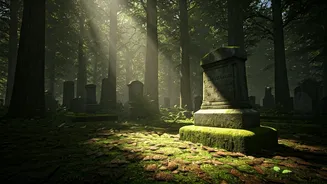
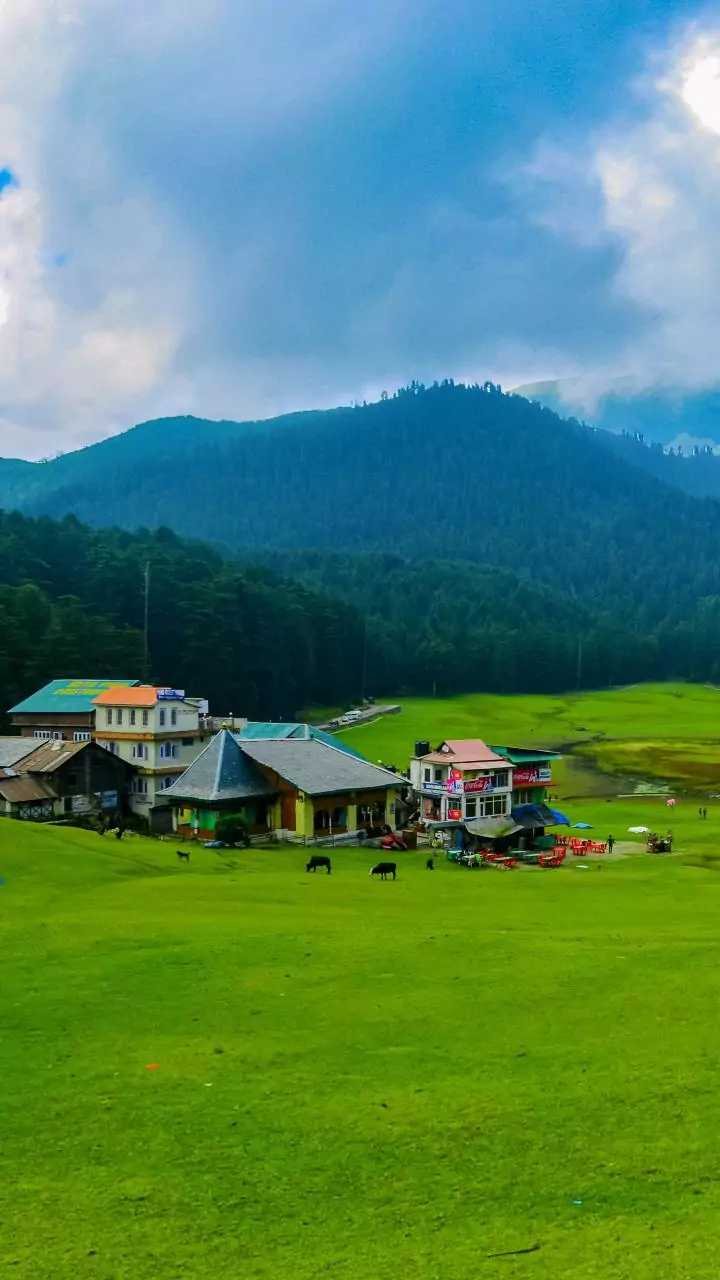
Nestled in the Himalayas, Shimla's development as a significant colonial town began when it was designated India's summer capital in 1864. Initially settled by the British armed services, the town evolved into a prominent administrative center. Following India's independence in 1947, the British left behind architectural testaments like the Gaiety Theatre, Viceregal Lodge, and Christ Church. The genesis of Sumit's unique career began at the Cecil Hotel, where a group of British tourists shared their ancestral connections to Shimla, mentioning their relatives were buried in local cemeteries. This revelation intrigued Sumit, prompting him to investigate further and discover that many British individuals sought to locate ancestral homes and burial sites, often facing difficulties due to the town's dense development.
Sumit's Personal Journey
While Sumit Vashisht's family has resided in Shimla for over fifty years, his personal journey began elsewhere. His father, a railway employee, was transferred to Shimla in the 1960s. Sumit was born there but pursued higher education in Rohtak, earning a degree and a diploma in tourism from Delhi University in 1992. The ensuing decade saw him engage in numerous jobs within the tourism sector, yet none provided lasting satisfaction. Feeling stifled by Delhi's environment, he returned to Shimla around 2005-06, determined to find a more stable and meaningful career. However, Shimla's tourism offerings at the time—hotels, restaurants, travel agencies—did not align with his aspirations or financial capabilities. His path remained unclear until the pivotal meeting with Abbott, a British visitor born in Shimla who had left India in 1948.
Tracing Roots and Emotions
Sumit's work involves more than just locating graves; it delves into the emotional journeys of his clients. He recounts the experience of assisting Clare Penny from Scotland, who sought her grandmother's former residence, Mathew Villa, in the Kaithu locality. What particularly moved Sumit was Clare's subsequent wish to scatter her grandmother's ashes at the Sanjauli Cemetery, a practice he hadn't previously associated with Christians in Shimla. Similarly, a couple from London, Eve and Mark, visited Shimla to fulfill Eve's grandmother's dying wish to have her ashes scattered in the town where she had fond childhood memories, having studied at Loreto Convent. These encounters have made Sumit reflect on the profound emotional impact of the Partition, not only on Indian families but also on British families who held deep attachments to places like Shimla, often leaving behind properties and memories.
Navigating Records and Heritage
The task of tracing ancestral graves and historical properties in Shimla is complex, requiring collaboration with local authorities and institutions. Organizations like the British Association for Cemeteries in South Asia (BACSA) and the Families in British India Society (FIBIS) have connected with Sumit, recognizing his efforts in preserving and documenting this heritage. The Shimla Cemetery Association has also highlighted the challenges of maintaining cemeteries, undertaking repairs with their own resources. The Shimla Municipal Corporation, established in 1851, holds valuable birth and death records dating back to the colonial era, with much of this data now digitized from 1865 to 2015, aiding individuals in their ancestral searches. Sumit emphasizes that his work is a collaborative endeavor, relying on a team of about 15-20 local individuals, and is driven by a desire to connect with stories and emotions rather than commercial success.