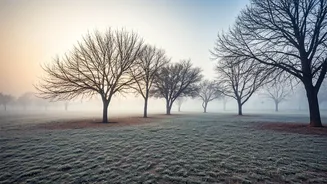








Freezing Temperatures Descend
The winter of 2026 brought a harsh reminder of Delhi's climate, with the city enduring its coldest day. The temperature dipped to a low of 5.8 degrees,
a stark figure that sent shivers through the capital. This marked a significant drop compared to previous days, forcing residents to layer up and adjust their routines. The India Meteorological Department (IMD) explained the phenomenon, attributing it to a combination of factors, including cold air from the Himalayas, clear skies promoting heat loss at night, and local atmospheric conditions. The impact was felt across the city, from commuters battling the cold to the homeless seeking shelter, underlining the challenges that extreme weather poses.
Daily Life Impacted
The sub-zero temperatures triggered a ripple effect across Delhi. Travel became more challenging as dense fog reduced visibility, causing delays and disruptions in transportation. Public services faced increased demands, as the need for warm shelters and medical assistance rose. The health sector braced itself for a surge in cold-related illnesses such as flu and respiratory problems. Markets and commercial establishments observed a change in customer behavior, with a shift towards winter apparel, hot beverages, and indoor activities. The cold spell prompted government advisories, urging citizens to take precautions and stay informed about weather updates. This highlighted the interconnectedness of weather with various aspects of urban life.
Looking Ahead: Forecasts
As Delhi residents felt the grip of the cold, weather forecasts offered a glimpse into the coming days. The IMD projected that the cold wave would persist for a few more days, although some relief might be expected. The forecast included the possibility of continuing dense fog, which would affect visibility and travel. Authorities advised residents to stay updated through official channels, as the weather patterns were constantly changing. The information allowed people to make informed decisions about their activities, taking precautions against the chill. The announcements were also important for emergency services, enabling them to anticipate and manage potential challenges like traffic incidents and health-related emergencies.
Government Response and Actions
The Delhi government swiftly responded to the situation, activating emergency protocols and reinforcing public services. Night shelters provided refuge to the homeless, while the medical sector geared up to address cold-related health issues. Efforts were made to distribute blankets and warm clothing to vulnerable populations. Public awareness campaigns disseminated vital information on staying safe in the cold. Additionally, the government worked with transport authorities to minimize travel disruptions and to provide safety guidance for commuters. These concerted efforts showed the government's resolve to handle the weather challenge and provide for the safety of its citizens, reinforcing its commitment to public welfare.
Long-Term Considerations
The cold spell highlighted the significance of long-term strategies for managing climate-related challenges in Delhi. Experts pointed to the need for investing in weather forecasting and early warning systems. Urban planning and infrastructure development were also considered, particularly to provide robust support to the homeless and vulnerable during extreme weather events. The event offered an opportunity to evaluate current city preparedness and to create plans for more sustainable and climate-resilient urban infrastructure. This involved a wider view of climate change adaptation measures, aiming to build a city that is prepared for future weather fluctuations and their potential impacts on citizens.