



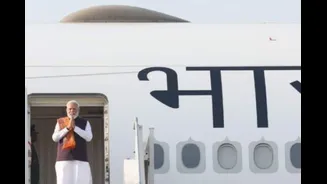

FTA: The Cornerstone
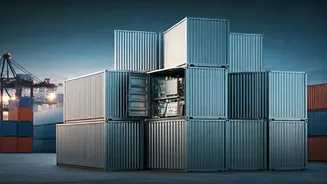
The Free Trade Agreement (FTA) between India and the European Union stands as a pivotal agreement in the evolving landscape of global partnerships. The deal
is not merely a trade pact; it represents a comprehensive framework intended to foster economic cooperation, enhance strategic alignment, and fortify bilateral relationships. The negotiations surrounding the FTA have been intense, with both parties committed to achieving an agreement that benefits their respective interests. The deal aims to streamline trade procedures, reduce tariffs, and open up new avenues for investment, thereby stimulating economic growth and job creation in both regions. The FTA's significance extends beyond economic benefits, providing a platform for greater collaboration on crucial issues such as climate change, sustainable development, and technological innovation, laying the foundation for a stronger, more resilient partnership. The FTA is considered a monumental step, expected to be implemented in 2026, opening up new opportunities and reshaping global relations.
Trade and Defence Ties
The India-EU FTA's influence extends to fortifying trade and defence cooperation between India and the EU. This agreement marks a significant shift in their relationship, promoting closer collaboration in both economic and strategic sectors. The FTA establishes mechanisms for simplifying trade processes, lowering trade barriers, and fostering an environment conducive to increased investment. Simultaneously, it lays the groundwork for enhanced cooperation in the defence sector. Such collaborations could involve joint research, technology transfer, and collaborative production of defence equipment. The synergy between trade and defence strengthens the overall bilateral relationship, providing both nations with strategic benefits. With global uncertainties and evolving geopolitical dynamics, this integrated approach ensures greater security and economic stability. By weaving together trade and defence, the India-EU FTA cultivates a resilient, multifaceted partnership, ensuring mutual growth and resilience.
Shared Prosperity Unleashed
The India-EU FTA is envisioned as a catalyst for shared prosperity, aimed at delivering mutual economic benefits. This agreement targets significant growth by unlocking trade opportunities, encouraging foreign investment, and promoting innovation. With reduced trade barriers, businesses can readily access larger markets, giving a boost to exports, creating jobs, and stimulating economic activities. The FTA emphasizes the importance of sustainable development, focusing on environmentally friendly practices and responsible business conduct. By integrating environmental considerations into the trade framework, both parties show their commitment to promoting a green economy and tackling climate change. The agreement also fosters technological innovation, supporting collaboration in research and development, which encourages the adoption of new technologies and promotes industrial growth. Ultimately, the FTA facilitates a mutually beneficial relationship, driving economic advancement and enhancing the well-being of citizens in both India and the EU.
Global Power Play
The India-EU FTA is seen as an important element in the shift of the global power dynamic, with significant implications on the world stage. This agreement strengthens the strategic partnership between India and the EU, increasing their combined influence in global affairs. By fostering trade cooperation and shared values, the FTA promotes a rules-based international order, which is essential for stability and prosperity. It demonstrates a shared commitment to multilateralism, supporting international institutions and cooperative approaches to tackle global challenges like climate change, health crises, and regional conflicts. The agreement enhances the global position of both India and the EU, making them more significant players in international politics and economics. This strategic alignment can influence international negotiations, trade dynamics, and global governance, contributing to a more balanced and cooperative international environment, which showcases a united front to address common concerns and promote shared goals.
Implementation in 2026
The India-EU FTA is expected to be implemented in 2026, marking a new era in the relationship between India and the European Union. Implementation will include the fine-tuning of trade regulations, creating specific frameworks for investment, and building mechanisms for dispute resolution. The agreement's practical realization requires continuous collaboration, involving government bodies, trade organizations, and businesses. A series of discussions and consultations are planned to ensure that stakeholders are ready for the new trade environment. The implementation process entails monitoring the impact of the FTA on various sectors, making adjustments where necessary to optimize its effectiveness. Implementing the agreement demands that the EU and India maintain a strong and cooperative working relationship to ensure smooth and successful execution. This collaborative approach should set the foundation for a vibrant and fruitful partnership, paving the way for economic growth and strategic collaboration.