








The River's Plight
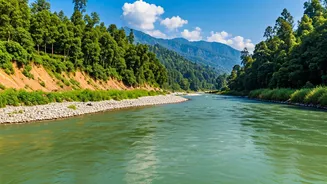
The Kosi River in Uttarakhand has become a battleground, not for war, but for resources. Illegal sand mining has emerged as a major threat, severely impacting
the river's health and the surrounding environment. This destructive practice involves extracting sand from the riverbed, often exceeding permissible limits and employing methods that cause significant ecological damage. The relentless removal of sand destabilizes the riverbanks, increasing erosion and disrupting the natural flow of the water. This, in turn, can lead to the loss of aquatic habitats, reduced water quality, and an overall decline in biodiversity. The damage extends beyond the immediate vicinity of the mining sites, affecting the entire ecosystem that depends on the river's health. The indiscriminate extraction of sand is not only an environmental concern but also raises questions about sustainable resource management and the enforcement of environmental regulations in the region. The Kosi River’s struggle mirrors the challenges faced by many rivers across India, where unchecked exploitation of natural resources poses a grave threat to the environment and the livelihoods of communities that depend on these resources.
Mining Mafia Exposed
Behind the environmental degradation lies a powerful sand mining mafia operating with impunity. This network comprises individuals and groups who profit from illegal sand extraction, often operating outside the bounds of the law. These entities employ various tactics to evade regulations, including operating without proper permits, exceeding the permitted extraction limits, and using heavy machinery that further accelerates the environmental damage. Furthermore, the mafia often resorts to intimidation and violence to silence those who oppose their activities, including local communities and environmental activists. The involvement of corrupt officials and politicians further complicates the situation, creating a web of complicity that allows the illegal operations to thrive. Exposing and dismantling the sand mining mafia requires a multi-pronged approach, including strengthening law enforcement, implementing stricter regulations, and addressing the root causes of illegal mining, such as the demand for sand in the construction industry and the lack of alternative resources. Confronting this challenge is crucial to preserving the ecological integrity of the Kosi River and protecting the interests of the local communities who depend on its health.
Environmental Devastation
The consequences of illegal sand mining extend beyond the immediate extraction sites, causing widespread environmental damage. The riverbeds, once teeming with life, are stripped bare, destroying the habitats of aquatic organisms and disrupting the delicate balance of the ecosystem. The removal of sand also alters the river's flow patterns, leading to erosion, landslides, and flooding during the monsoon season. This erosion can damage infrastructure, including roads, bridges, and agricultural lands, causing significant economic losses. The altered river flow can also reduce groundwater recharge, leading to water scarcity in the surrounding areas. Furthermore, the dust and pollutants generated by mining activities contaminate the air and water, impacting the health of local communities. The long-term effects of this environmental devastation include reduced biodiversity, degraded water quality, and increased vulnerability to natural disasters. Restoring the Kosi River to its former state requires a comprehensive approach, including halting illegal mining, implementing effective rehabilitation measures, and promoting sustainable resource management practices.
Challenges & Solutions
Combating illegal sand mining in the Kosi River presents numerous challenges, primarily centered on the enforcement of existing regulations and the influence of the mining mafia. Weak enforcement of environmental laws and corruption within the local administration allows illegal operations to continue unchecked. The demand for sand in the construction industry fuels the illegal activities, creating a lucrative market for those involved. Moreover, the lack of awareness among the public and the limited resources available for environmental monitoring further hinder efforts to combat illegal mining. However, there are potential solutions to address these challenges. Strengthening law enforcement, increasing penalties for illegal mining, and conducting regular inspections can deter illegal activities. Promoting sustainable construction practices and finding alternative sand sources can reduce the demand for sand from the river. Engaging local communities in monitoring and conservation efforts can raise awareness and provide a deterrent to illegal activities. Additionally, investing in the restoration and rehabilitation of degraded areas is crucial for mitigating the environmental impact and ensuring the long-term sustainability of the Kosi River ecosystem. Collaborative efforts involving government agencies, local communities, and environmental organizations are essential for effectively tackling the challenges and safeguarding this vital resource.