





Greenland's Icy Dominance
Topping the charts of the world's largest islands is Greenland, an immense landmass covering a staggering 2,166,086 square kilometers. This self-governing
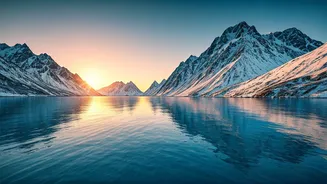
territory, part of the Kingdom of Denmark, is predominantly covered by an ice sheet, making it a significant player in global climate studies. Its sheer scale is difficult to comprehend, representing a vast, frozen frontier that holds ancient secrets within its icy depths. Greenland's position at the top of this list underscores the sheer geographical diversity found on our planet, showcasing a landscape sculpted by ice and time. Its importance extends beyond its size, influencing ocean currents and weather patterns far beyond its shores, a true giant in both physical presence and environmental impact. The island's unique ecosystem, adapted to extreme cold, is a testament to life's resilience in the face of challenging conditions. As the largest island, its presence is a constant reminder of the powerful forces that have shaped Earth's surface over millennia, a frozen titan dominating the Arctic.
New Guinea and Borneo's Grandeur
Following Greenland, New Guinea claims the second spot with an impressive area of 785,753 square kilometers. This island, situated in the Pacific Ocean, is renowned for its incredible biodiversity and rugged mountainous interior, teeming with unique flora and fauna. Just shy of New Guinea in size, Borneo ranks third, spanning 743,330 square kilometers. Borneo is notable for its ancient rainforests, home to orangutans and a plethora of other wildlife, making it a critical conservation area. Both islands represent significant landmasses that host complex ecosystems and diverse human cultures, offering a stark contrast to the icy landscapes of the north. Their immense size allows for a remarkable range of habitats, from dense jungles to winding rivers, contributing significantly to the planet's biological richness. These giants of the equatorial region are vital lungs of the Earth, playing a crucial role in regulating the global climate through their vast forest cover and unique geographical features. Their immense scale supports intricate food webs and provides sanctuary for countless species.
Madagascar and Baffin's Vastness
The island of Madagascar secures the fourth position with an area of 587,713 square kilometers. Located off the southeastern coast of Africa, it is celebrated for its unique biodiversity, with a high percentage of endemic species found nowhere else on Earth. This island nation boasts a diverse range of landscapes, from dry spiny forests to lush rainforests. Next, at number five, is Baffin Island, a Canadian Arctic island covering 507,451 square kilometers. It is the largest island in Canada and the fifth-largest island in the world, characterized by its stark, treeless tundra, fjords, and dramatic mountain ranges. Baffin Island's remote and rugged terrain presents a unique environment for the wildlife that calls it home, including polar bears and arctic foxes. Both Madagascar and Baffin Island, despite their vastly different climates and ecosystems, highlight the sheer scale and geographical diversity that defines the world's largest islands, each presenting a unique snapshot of Earth's natural wonders.
Sumatra's Lush Landscapes
Sumatra, an island in Indonesia, ranks sixth among the world's largest islands, encompassing an area of 443,066 square kilometers. This geographically significant island is known for its tropical rainforests, volcanic mountains, and a rich cultural heritage. It is home to iconic wildlife such as orangutans, tigers, elephants, and rhinoceroses, making it a crucial biodiversity hotspot. The island's diverse topography ranges from coastal plains to the volcanic Barisan Mountains, creating a variety of habitats that support this extraordinary array of life. Sumatra's importance extends beyond its ecological significance; it has played a pivotal role in regional trade and cultural exchange for centuries. The island's lush environment and abundant natural resources contribute to its unique character and enduring allure. Its vast size accommodates a complex network of ecosystems, all contributing to the global ecological balance and serving as a reminder of nature's grandeur and complexity. The island's vibrant natural environment is a source of wonder and a critical component of the planet's biodiversity.
Honshu and Victoria's Shores
Honshu, the largest and most populous island of Japan, ranks seventh with an area of 225,800 square kilometers. It is the cultural and economic heart of Japan, featuring diverse landscapes from snow-capped mountains like Mount Fuji to bustling metropolitan areas. Honshu's varied terrain supports a wide array of ecosystems and has been central to Japan's history and development. Following Honshu, Victoria Island, located in the Canadian Arctic Archipelago, takes the eighth position, covering 217,291 square kilometers. This vast, sparsely populated island is characterized by its rugged Arctic landscape, numerous lakes, and extensive coastline. Victoria Island's remote setting and harsh climate create a unique environment, home to migratory birds and arctic mammals. Together, Honshu and Victoria Island exemplify the broad spectrum of geographical characteristics found among the world's largest islands, showcasing both highly developed regions and pristine, remote wilderness, each contributing uniquely to our understanding of Earth's diverse landforms.
Great Britain's Historical Reach
Great Britain, the largest island in Europe and ninth largest in the world, spans 209,331 square kilometers. This island nation, comprised of England, Scotland, and Wales, boasts a rich tapestry of landscapes, from rolling hills and moorlands to rugged mountains and extensive coastlines. It has been a cradle of innovation and culture, profoundly influencing global history and development. The island's diverse geography supports a variety of habitats, from temperate forests to coastal wetlands, contributing to its unique biodiversity. Its strategic location has shaped its history, making it a hub for trade and exploration for centuries. The sheer size of Great Britain allows for a remarkable diversity of natural beauty and a complex interplay of human settlement and natural environments. Its enduring legacy is etched into its landscapes, a testament to its long and storied past. This iconic island continues to captivate with its blend of natural splendor and historical significance, a true giant in its own right.
Ellesmere Island's Arctic Realm
Rounding out the top ten is Ellesmere Island, located in the Canadian Arctic Archipelago, with an area of 183,965 square kilometers. This is Canada's third-largest island and the world's tenth largest. Ellesmere Island is characterized by its extreme Arctic environment, featuring vast ice caps, glaciers, and rugged mountains, making it one of the most northerly inhabited places on Earth. Its remote and desolate beauty is home to hardy Arctic wildlife adapted to the challenging conditions. The island's geological formations and icy terrain offer a stark but magnificent display of natural forces at work. Despite its harsh climate, Ellesmere Island is crucial for scientific research, particularly in understanding climate change and Arctic ecosystems. It represents the wild, untamed frontier of our planet, showcasing the resilience of life in extreme environments. This final entry in our list of giants reminds us of the sheer scale and diverse, often extreme, conditions that can be found on Earth's largest islands, each a world unto itself.