





From Skeptic to Believer
Actress Chitrangada Singh recently opened up about her evolving perspective on hair care, admitting that she once dismissed the practice of oiling her hair.
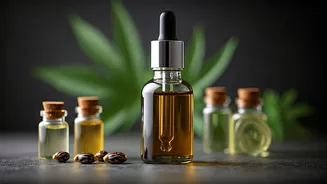
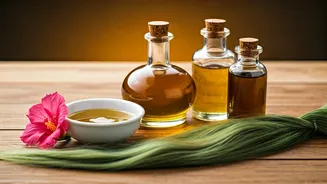
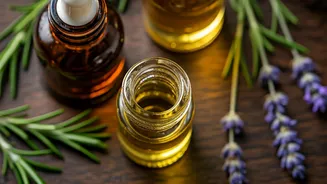
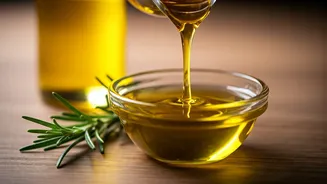
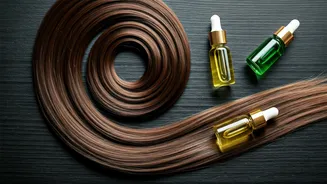
Speaking on a podcast, she revealed that a specific, custom-mixed oil blend has significantly improved the quality and appearance of her hair. She shared, 'I never used to believe in oiling, lekin bahut farak padta, oiling is very, very important.' Her newfound routine involves a mix of rosemary, peppermint, and almond oil, a concoction shared with her that has demonstrably enhanced her hair's texture and sheen. This personal revelation has prompted a closer look at the efficacy of traditional hair oiling practices and the specific ingredients she now swears by for her glossy mane.
The Science of Hair Oiling
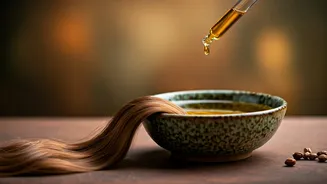
Experts confirm that regular hair oiling can indeed yield positive results, though individual outcomes may vary. Dermatologists explain that oils primarily function as emollients, forming a protective layer that locks in moisture and prevents dryness. This barrier helps to reduce hair breakage caused by friction and environmental stressors. While oils don't directly stimulate new hair growth through biological pathways, the act of gently massaging the scalp during application can promote better blood circulation. This enhanced circulation contributes to a healthier scalp environment, which in turn supports improved hair texture and resilience, rather than being a direct stimulant for significant hair growth.
The Magic Trio Explained
The specific oils highlighted by Chitrangada Singh – rosemary, peppermint, and almond – are popular for well-founded reasons. Rosemary oil has garnered attention for its potential to boost scalp circulation and address hair thinning, with some research suggesting it may improve hair density over time. Peppermint oil, known for its menthol content, creates a refreshing, cooling sensation on the scalp and may increase localized blood flow. Early studies indicate a potential for promoting hair growth in experimental contexts. Almond oil serves as a nourishing base, rich in Vitamin E and fatty acids that condition the hair, minimize breakage, and impart shine. Crucially, almond oil also acts as a safe carrier for more potent essential oils, diluting them to reduce the risk of scalp irritation.
Safe Application Techniques
When incorporating these potent oils into your hair care routine, safety is paramount. Dermatologists strongly advise against applying concentrated essential oils like rosemary and peppermint directly to the scalp. Instead, they must be diluted with a carrier oil, such as almond, coconut, or jojoba oil. A general guideline is to use a few drops of essential oil per tablespoon of carrier oil. Before a full application, it is essential to perform a patch test, particularly for those with sensitive skin, to check for any adverse reactions. Gently massage the mixture into the scalp, allowing it to sit for 20 to 30 minutes, or even overnight if comfortable. Afterward, wash the hair thoroughly with a mild shampoo. It is crucial to discontinue use immediately if any redness, itching, or discomfort arises.
Patience Yields Results
Achieving noticeable improvements in hair requires patience and consistent application of hair care treatments. While enhancements in hair texture and manageability can often be observed within a period of four to six weeks, more significant changes, such as increased thickness or visible hair growth, naturally take longer. Considering that hair typically grows about half an inch per month, substantial improvements in hair density usually necessitate a commitment of at least three to six months of regular, dedicated care. It's also important to acknowledge that various factors, including genetics, stress levels, overall nutrition, and hormonal balance, play a significant role in influencing the ultimate outcomes of any hair care regimen.