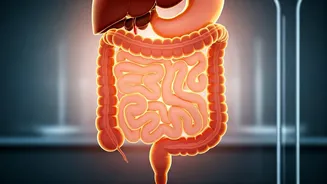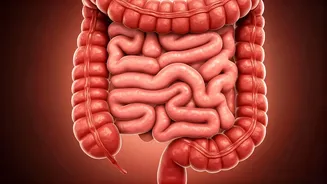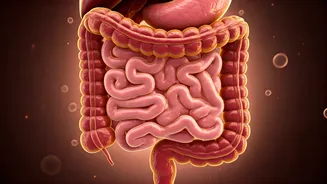





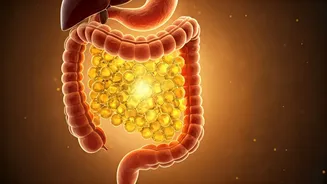

Gut Microbiome Unveiled
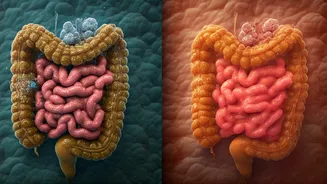
The gut microbiome, a diverse community of microorganisms, is fundamental to overall health. It plays crucial roles in digestion, nutrient absorption,
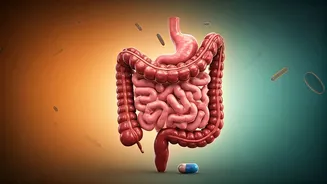
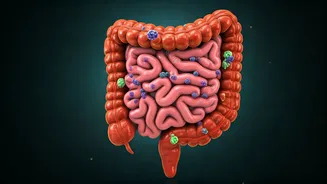
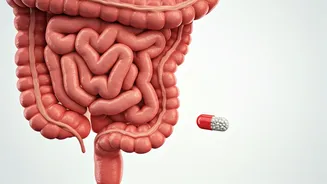
and immune function. Antibiotics, designed to combat bacterial infections, can inadvertently harm the beneficial bacteria within the gut. This disruption, known as dysbiosis, upsets the microbial balance, leading to various gastrointestinal problems. This imbalance can cause inflammation, making the gut more susceptible to infections and diseases. Understanding the gut microbiome's importance and how antibiotics affect it is key to maintaining a healthy digestive system. The delicate balance achieved within the gut is essential for optimal health.
Antibiotic-Induced Diarrhea
One of the most common side effects of antibiotic use is diarrhea. Antibiotics eliminate both harmful and helpful bacteria, disrupting the gut's natural balance. This imbalance can allow harmful bacteria, such as Clostridioides difficile (C. diff), to flourish, leading to severe diarrhea. This form of diarrhea is frequently associated with abdominal pain, fever, and dehydration. Mild cases might resolve on their own, while severe infections demand prompt medical intervention, including the potential use of specialized antibiotics or other treatments to restore a healthy gut environment. It is crucial to monitor symptoms and follow healthcare provider guidance to manage antibiotic-induced diarrhea.
Increased Risk of Infections
Beyond diarrhea, antibiotic use can make individuals more prone to other infections. The gut microbiome normally acts as a protective barrier against invading pathogens. When antibiotics weaken this defense, it allows opportunistic pathogens to colonize the gut. The C. difficile bacterium is a common example of an infection that frequently follows antibiotic use. Additionally, other bacteria and fungi can overgrow, leading to conditions like yeast infections. This increased vulnerability underscores the importance of prudent antibiotic use to preserve the natural microbial balance and prevent secondary infections. Understanding the link between antibiotics and infection risk highlights the need for cautious antibiotic use.
Nutrient Absorption Interference
A healthy gut microbiome facilitates the breakdown and absorption of essential nutrients. When antibiotics disrupt the gut's bacterial balance, the efficiency of this process declines. This can result in malabsorption, where the body struggles to extract necessary nutrients from food. Deficiencies can occur in vital vitamins and minerals, leading to overall health decline. This can impact energy levels, immune function, and overall well-being. Proper digestive function is crucial for health and antibiotics can have a very negative impact on this.
Irritable Bowel Syndrome (IBS)
Antibiotics have been associated with the development or worsening of Irritable Bowel Syndrome (IBS). IBS is a chronic disorder characterized by abdominal pain, bloating, and changes in bowel habits. By altering the gut microbiome, antibiotics can trigger or exacerbate the symptoms of IBS. This happens because the gut's normal function is directly impacted. Those with a predisposition to IBS may be particularly vulnerable to antibiotic-induced flare-ups. This emphasizes the need to be cautious about antibiotic use.
Inflammatory Bowel Disease (IBD)
Although less common, antibiotic use has been linked to an increased risk of inflammatory bowel disease (IBD), including Crohn's disease and ulcerative colitis. The disruption of the gut microbiome caused by antibiotics may trigger or worsen inflammation in the digestive tract. This inflammation can lead to the chronic symptoms associated with IBD. This highlights the importance of using antibiotics only when necessary and under medical supervision. The effects of antibiotics on the gut's delicate environment should never be underestimated.
Weight Changes & Antibiotics
Antibiotics may affect weight. Some studies suggest antibiotic-induced gut microbiome alterations can influence metabolism and energy balance. These changes may lead to weight gain or loss, depending on how the gut bacteria adapt and the individual's overall health and diet. The impact of antibiotics on gut bacteria can have far-reaching metabolic consequences. Weight changes following antibiotic use underscore the broad influence that the gut microbiome can have on overall health and physiology. Gut health is very important.
Immune System Weakening
A healthy gut microbiome is crucial for a strong immune system. The gut bacteria interact with immune cells, training them to identify and fight off pathogens. When antibiotics disrupt the gut's balance, the immune system can be weakened. This leaves individuals more vulnerable to infections. The gut microbiome directly affects immune function. Proper antibiotic use is vital to preserve the gut's role in supporting a strong immune response, helping the body to remain healthy and resilient.
Antibiotic Resistance Concerns
Overuse and misuse of antibiotics contribute to the rising issue of antibiotic resistance. When antibiotics are used unnecessarily, bacteria may adapt and become resistant to them. This makes infections harder to treat, leading to increased illness and even death. The responsible use of antibiotics is crucial to preserve their effectiveness. This protects both individual and public health. This requires careful consideration of antibiotic use and the promotion of practices that minimize the spread of resistant bacteria.
Promoting Gut Health
Protecting gut health after antibiotic use involves several strategies. Probiotics, which introduce beneficial bacteria, can help restore balance. A diet rich in fiber, found in fruits, vegetables, and whole grains, nourishes the gut microbiome. Fermented foods like yogurt and kimchi add helpful bacteria. Avoiding unnecessary antibiotic use and adhering to a healthcare provider's advice are critical. Lifestyle changes can effectively mitigate the negative impacts of antibiotics on the gut. Making healthy choices and maintaining a balanced gut microbiome are essential for overall well-being.