




The Telephone's Skeptics
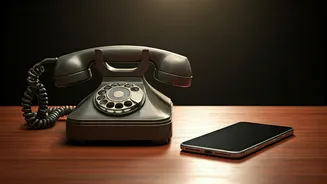
Initially, the telephone was met with a mixture of confusion and amusement. People struggled to grasp the concept of speaking to someone far away. Early
reactions included skepticism about the technology and concerns about its practical uses. Critics questioned its reliability, cost, and the perceived social awkwardness of using it. The press and public found it challenging to envision how a device like this could become more than a novelty. Despite initial doubts, the telephone slowly gained acceptance, eventually becoming a tool for communication. It changed business, social life, and how people connected over distances, setting the stage for future communication advances.
Early Doubts About Light
The light bulb, pioneered by inventors like Thomas Edison, similarly faced considerable resistance. People were hesitant to switch from the established gas lamps to a technology that was, at the time, unproven. Concerns centered around the cost of implementation and the perceived danger of electricity. Many people believed that the light bulb would be unreliable and impractical for widespread use. Yet, the light bulb's advantages—safety, convenience, and consistent light—gradually won over the public. It transformed urban areas and homes, making life easier and safer. The light bulb’s success paved the way for the electric grid, which is essential to modern civilization.
Automobile's Rough Road
The early automobiles were often viewed with ridicule and distrust. The first cars were unreliable, expensive, and dangerous compared to the well-established horse-drawn carriages. The public worried about the lack of roads suitable for these new vehicles. Early cars were frequently breaking down, adding to skepticism about their viability. Furthermore, there was a public safety concern. The vehicles struggled to gain traction because of their perceived impracticality. However, as the technology improved and manufacturing became more streamlined, cars became practical. This change drove changes in industry, travel, and urban development.
Flight of Fantasy
Early flight technology, spearheaded by the Wright brothers, was also met with disbelief. Many dismissed the idea of heavier-than-air machines as impractical. People questioned the physics involved, and the dangers seemed overwhelming. Early aircraft were difficult to control and accidents were frequent, which added to the skepticism. Despite these initial issues, the pioneers of aviation persevered. The invention of the airplane revolutionized travel and trade. It also influenced military strategy and how the world connected, changing the world dramatically.
Radio's Silent Start
The radio was another invention initially doubted. People were unsure how this wireless technology would work or what it could be used for. There were issues with inconsistent broadcasting and the quality of reception. The earliest radios were cumbersome and expensive, which limited their appeal. Despite these hurdles, radio's potential for mass communication became evident. Radio broadcasting rapidly evolved and went on to become an important source of news, entertainment, and education. It transformed how people received information. Radio paved the way for future audio-visual technologies, changing how the world receives news and entertainment.
Personal Computer's Skepticism
The personal computer, which initially appeared in the later half of the 20th century, encountered considerable resistance. Many people saw computers as complicated and difficult. These machines were expensive and had limited practical applications for the average user. Early computers required specialized knowledge to operate. They were large, clunky, and primarily used in professional settings. The rise of user-friendly software and the reduction in the size of the computer made them accessible. The personal computer revolutionized work, communication, and entertainment. This development changed how people interact with technology and how information is created, stored, and shared.
The Internet's Uncertain Future
In the early days, the internet was often seen as a novelty by most people. The public struggled to grasp its potential and practical applications. The internet's slow speed, the difficulty of navigation, and lack of visual appeal hampered its acceptance. Most people didn't grasp its immense power. Skepticism arose from security concerns and the absence of established applications. However, the development of user-friendly interfaces, faster internet speeds, and the evolution of the World Wide Web changed everything. The internet transformed communication, commerce, and culture. It enabled instant access to information. It also reshaped how people work, play, and connect globally.
Mobile Phone Doubts
Early mobile phones were initially met with considerable mockery. The first mobile phones were large, heavy, and expensive. People saw the devices as status symbols. Critics questioned the need for portable communication. The battery life was short, and coverage was unreliable, which added to their impracticality. It was hard to imagine the devices becoming ubiquitous. The technology eventually improved, with phones becoming smaller, more reliable, and more affordable. Mobile phones changed how people communicate. They have made the world more connected. The phones also drive innovation in computing and multimedia.