


Exploring Gas Alternatives
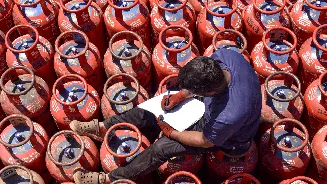
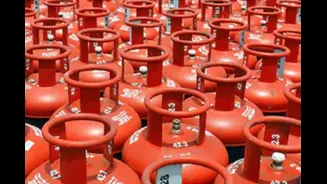
India's reliance on imported LPG, primarily from West Asia, makes it vulnerable to supply chain disruptions caused by regional conflicts. The ongoing tensions
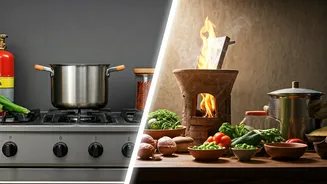
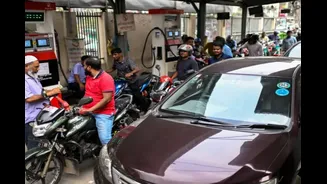
involving Iran, Israel, and the United States are already creating ripples, leading to concerns about delayed shipments, logistical challenges, and escalating fuel costs. Reports of shortages and delivery delays for both domestic and commercial LPG cylinders are surfacing in various Indian cities. In response to this pressing situation, households and food establishments are actively seeking alternative cooking solutions that require minimal or no gas. This includes exploring a range of electric appliances and traditional culinary methods that are less dependent on traditional fuel sources, ensuring continuity in meal preparation even amidst supply uncertainties. The focus is shifting towards sustainable and readily available options to maintain kitchen operations without interruption.
Modern Cooking Appliances
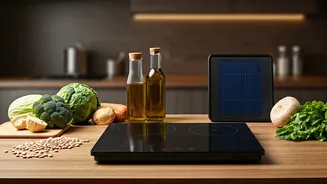
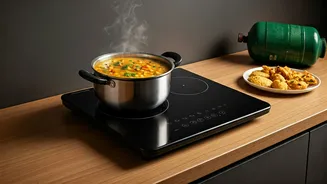
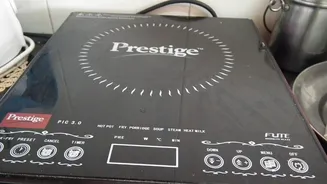
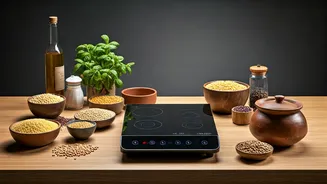
For those seeking immediate alternatives to LPG, modern electric appliances offer a convenient and efficient solution. Piped Natural Gas (PNG) provides a continuous, uninterrupted supply through underground pipelines, eliminating the need for cylinder refills and managing logistics, and is generally considered a safer and cleaner option for cooking and heating water. Electric cooktops, including infrared and ceramic models, are versatile and work with a wide array of cookware, from steel to clay pots, delivering rapid and precise heating. Induction stoves, which utilize electromagnetic technology for swift cooking, are particularly well-suited for Indian culinary practices, though they require specific ferromagnetic cookware. Air fryers and microwave ovens are excellent for quickly preparing meals and snacks; air fryers allow for versatile cooking methods like frying, roasting, and grilling with minimal oil, while microwaves are ideal for reheating, steaming, and quick cooking tasks, offering flexibility when LPG is scarce.
No-Cook & Low-Fuel Delights
When cooking with gas is not an option, a variety of no-cook and low-fuel meal ideas can keep everyone satisfied. Quick salads and chaats, like sprouted moong chaat with a mix of sprouts, vegetables, and zesty spices, or peanut chaat with chopped ingredients and chutneys, offer refreshing options. Yogurt-based sides such as beetroot raita or cucumber raita, made with grated vegetables and seasoned curd, provide cool accompaniments. For quick carbohydrate fixes, lemon poha or curd poha, prepared with flattened rice, lemon juice, and spices, are convenient snacks. Don't forget the versatility of pickles and chutneys, like an instant amla pickle or a zingy ginger-curry leaf chutney, which can liven up any simple meal. For dessert, simple date-nut laddus made from blended dates and nuts, or a fresh fruit chaat with seasonal fruits and a hint of honey or yogurt, provide sweet endings without needing any cooking.
Fuel-Efficient Indian Classics
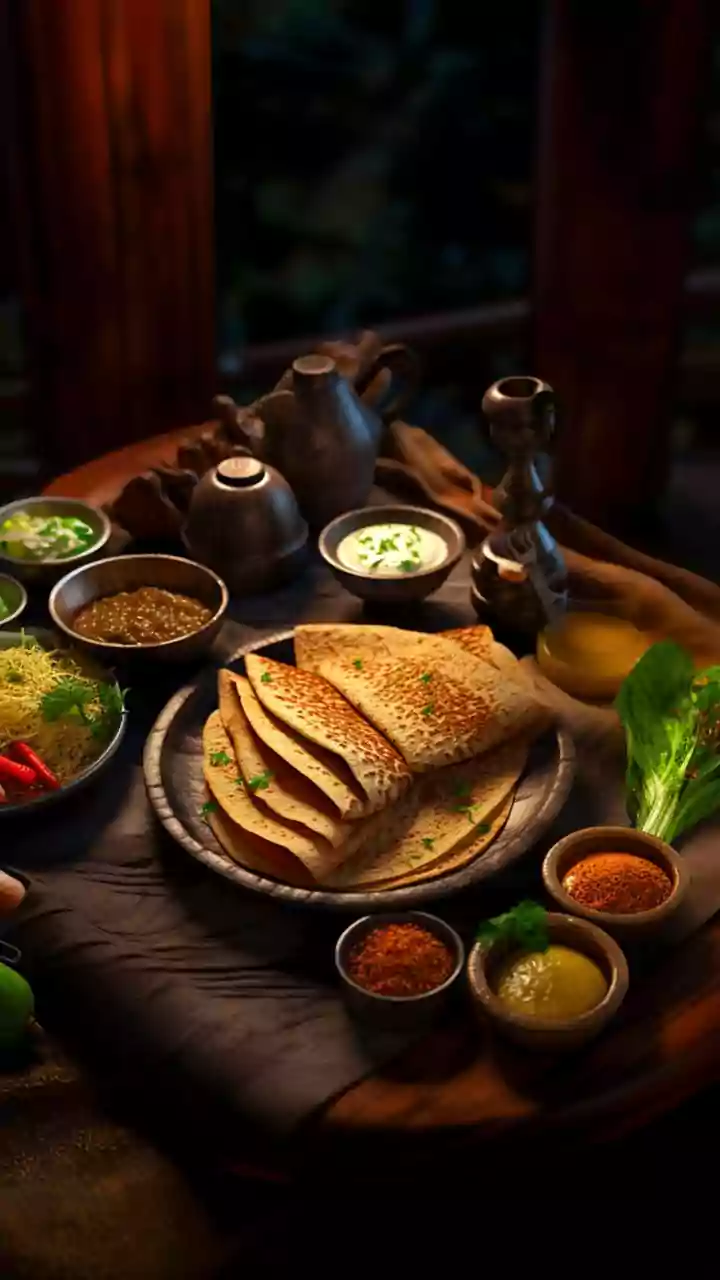
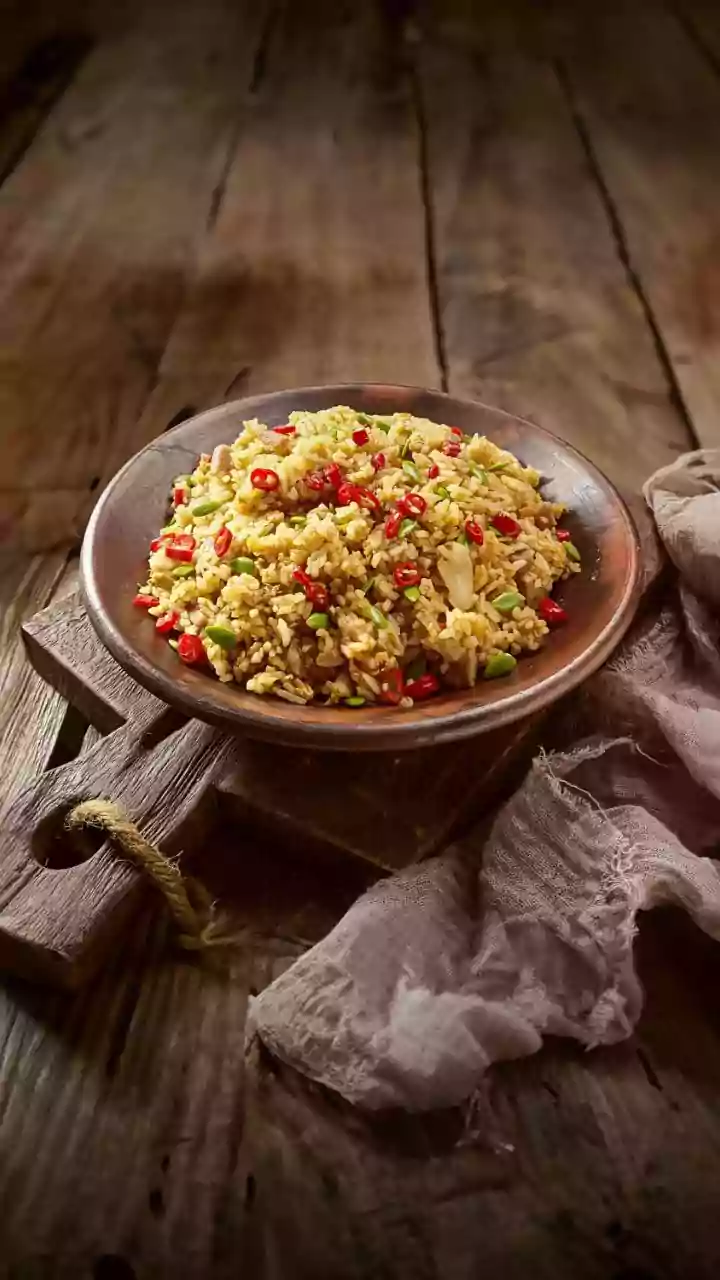
Traditional Indian dishes can be adapted for minimal fuel or electricity consumption. Pressure cookers are invaluable, significantly reducing cooking times for staples like dal or khichdi, often preparing them in under 15-20 minutes while using less energy than open-pot methods. For flatbreads like rotis, using a heavy cast-iron tawa on a low flame helps retain heat efficiently; preparing dough in advance and cooking in batches can speed up the process. Quick stir-fries such as bhindi masala or aloo jeera, and vegetable poriyal, cook rapidly in about 5-7 minutes on high heat. One-pot curries like rajma or chole benefit immensely from pressure cooking to reduce simmering time, as does vegetable pulao, which can cook rice and vegetables together under pressure in approximately 10 minutes.
Mastering Roti Efficiency
Preparing rotis with minimal fuel or electricity can be achieved through smart techniques, potentially saving 20-30% energy. Kneading dough with warm water enhances its elasticity, and allowing it to rest for 15-30 minutes makes rolling easier. Preheat your tawa or induction plate on medium-high heat for a couple of minutes, then reduce to medium once cooking begins. Cast-iron tawas are particularly effective due to their superior heat retention. Cook each roti for about 30-40 seconds per side, with a maximum of three flips, to ensure they puff up nicely. For electric or induction plates, gently pressing the edges with a cloth can help. To maximize efficiency, roll out 4-6 rotis before you start cooking and store the cooked rotis in an insulated casserole to keep them soft and warm.