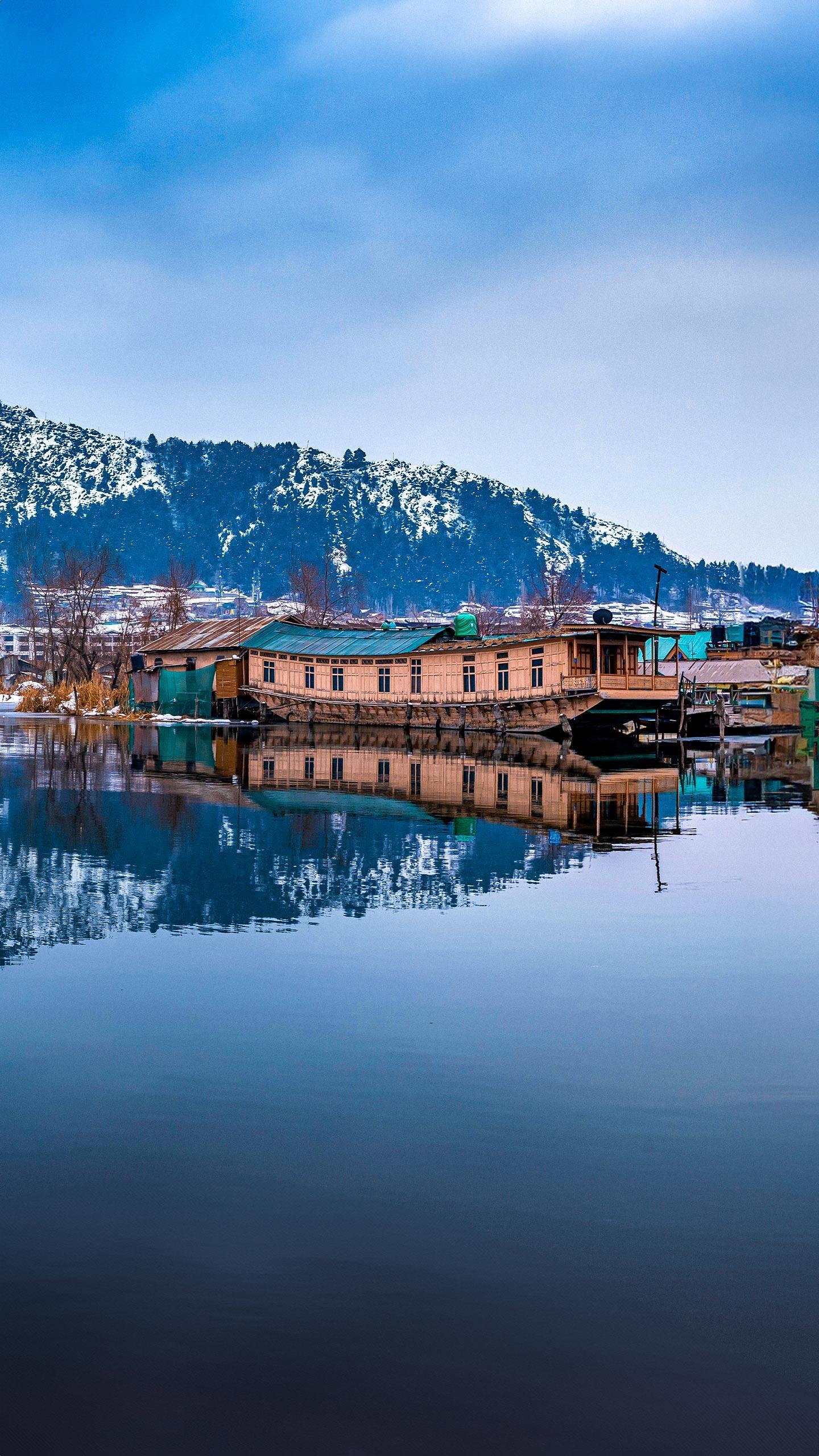

Freezing Temperatures Impact
The Kashmir Valley is currently under the grip of a harsh cold wave, with temperatures plummeting across the region. This severe weather has significantly
affected residents. The mercury has dipped drastically, causing icy conditions and adding to the challenges of daily life. The intense cold demands extra care and precautions to stay warm and healthy. People are facing difficulties as they navigate the extreme weather, emphasizing the need for robust measures to cope with the cold spell. The focus is on how people are adapting and coping with the harsh conditions, offering a look into the resilience of the communities in the face of nature’s test.
Daily Life Disrupted
The plunging temperatures in Kashmir have brought noticeable changes to people's routines. The cold wave has altered how people move around and carry out their day-to-day tasks. This requires changes in behavior. The impact of the weather extends to transportation, commerce, and other normal activities. Residents face difficulties in these basic daily routines. The intense cold demands adaptation and creates significant challenges. Discussions highlight the ways in which communities are adjusting to the cold and dealing with the implications of the weather. The overall picture reveals a society actively working through the complications presented by extreme temperatures, reflecting both struggle and determination.
Health Precautions Essential
The harsh cold in the Kashmir Valley necessitates an emphasis on health precautions. Exposure to extremely low temperatures can lead to several health-related issues. Residents must adopt preventive measures to safeguard their well-being. Precautions include wearing warm clothing and avoiding excessive exposure to the cold. People are taking extra steps, such as staying indoors, to protect their health. The key message is the importance of health awareness and action to combat the risks from the harsh climate. This focuses on maintaining good health and taking effective steps during this extreme cold weather, stressing proactive measures and caution.
Regional Impact Examined
The impact of the cold wave is not uniform across the Kashmir Valley. Local conditions and geographic factors lead to temperature variations and create differences in people’s experiences. Some regions are experiencing more severe effects than others. These varying conditions require region-specific coping strategies. It is essential to analyze the effects in various parts of the Valley and implement tailored solutions. The focus is on addressing specific needs in different areas and responding to the nuances of the weather, recognizing the diversity within the region. This acknowledges the unique situations in various locations, enabling more targeted responses to assist the populace and lessen difficulties.
Looking Ahead, Adapt
As the cold wave continues, the people in Kashmir are looking forward to how the situation will change. The duration and intensity of the cold wave have implications for the coming weeks. Being prepared and adaptive is a necessity. Authorities and communities alike must plan strategies to support people. The focus remains on addressing the immediate concerns while preparing for the long-term impact of the cold. These plans reflect a community prepared to face difficulties. The long-term perspective emphasizes the need for resilience and careful planning to ensure well-being. It is about understanding the effects of the weather and making plans to lessen them.