







Escalating Border Conflict
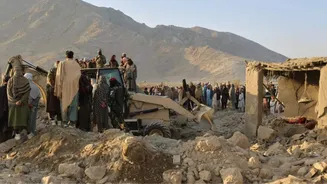
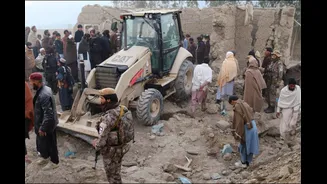
Relations between Pakistan and Afghanistan took a severe turn on Friday, February 26, when Pakistan initiated aerial bombardments targeting key Afghan cities,
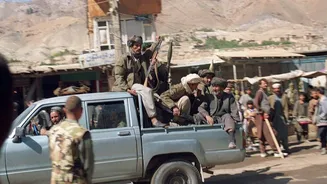
including the capital, Kabul, along with Kandahar and Paktia. This aggressive action followed a period of increasing border skirmishes and persistent accusations from Pakistan. Islamabad alleged that militant groups were exploiting Afghan soil to launch attacks against Pakistani security forces. However, the Taliban government in Kabul vehemently denied these claims, leading to a significant diplomatic standoff and a declaration of "open war" by Pakistan's Defence Minister, Khawaja Asif, against the ruling Taliban regime. The Pakistani Interior Minister, Mohsin Naqvi, characterized the strikes as a "befitting response" to alleged attacks on Pakistani border posts. President Asif Ali Zardari later reinforced this stance on X (formerly Twitter), stating that Pakistan would defend its territorial integrity and that any perceived weakness would be met with a formidable and decisive military reaction, with no aggressor being beyond reach.
Afghan Retaliation Claims
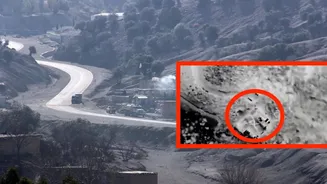
The Pakistani airstrikes were not the sole cross-border military action in the lead-up to the escalation. Afghan authorities asserted that they had conducted their own operations late on Thursday, targeting what they described as Pakistani military installations situated along the contentious Durand Line, the international border separating the two nations. These claims, however, were promptly dismissed by Pakistani officials, who labeled the Afghan operation as entirely unprovoked. According to reports from The Associated Press, Pakistan's government defended its subsequent airstrikes as a crucial measure necessary for safeguarding its national security interests in the face of perceived threats originating from Afghan territory. This exchange of accusations and counter-accusations significantly intensified the volatile situation at the border.
Online Reactions Emerge
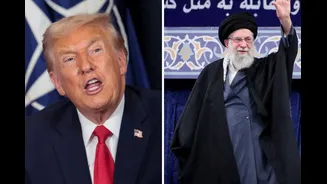
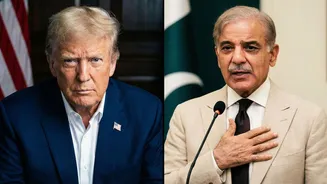
The announcement of the airstrikes and the subsequent military actions triggered a wave of immediate and varied reactions across social media platforms. Many users expressed shock and dismay at the unfolding conflict between two neighboring countries. One common sentiment lamented the escalating global instability, with a user noting, "Just when you think the world can’t descend into further madness, Afghanistan and Pakistan are fighting each other." Concerns about potential nuclear escalation were also voiced, given that both nations possess nuclear weapons. A user commented, "Paks will use nukes if they feel it necessary," while another highlighted the gravity of the situation by stating, "It’s also crazy Pakistan is nuclear armed as well." Amidst the grim news, some attempted to inject humor, with one individual quipping, "So today we have Pakistan vs Afghanistan. No, not the cricket match." The speed at which the conflict erupted also drew comment, as one person observed it was barely two months into 2026 and a war between two countries had already commenced. Intriguingly, a few online comments referenced former US President Donald Trump, speculating about his potential involvement. This was likely inspired by Trump's past assertions of mediating international disputes, leading to remarks like, "I wouldn’t be surprised if Donald Trump came and said that he would stop the war between Afghanistan and Pakistan," and the more colloquial "Trump aata hi hoga thodi der mein (Trump will surely come in a while)."
International Concerns Voiced
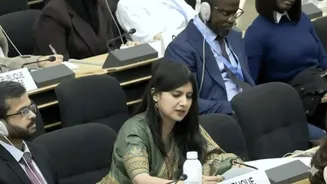
The escalating conflict between Pakistan and Afghanistan has drawn the attention of international bodies, prompting calls for de-escalation and diplomatic resolution. The United Nations has specifically urged both nations to exercise significant caution and restraint in their actions. UN Secretary-General António Guterres emphasized the paramount importance of protecting civilian populations caught in the crossfire and advocated strongly for the resolution of disputes through peaceful dialogue and diplomatic channels, rather than resorting to violence. These calls for restraint underscore the broader regional implications of the conflict and the international community's desire to prevent further instability in an already precarious geopolitical landscape.