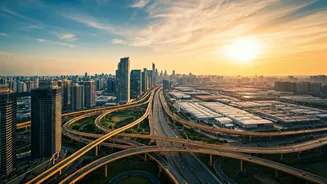








Urban Economic Powerhouses
India's urban centers are significant contributors to the nation's economic output, serving as crucial engines of growth. These cities attract significant investment
and generate employment across diverse sectors, fostering innovation and entrepreneurship. The concentration of industries, services, and skilled labor within these urban areas creates a synergistic effect, accelerating economic activities. The impact of these economic hubs can be observed in various statistics, such as the 126 land deals recorded in 2025 across key metropolitan regions, including Mumbai Metropolitan Region (MMR), Bengaluru, and Pune. This demonstrates the robust interest and investment in these areas, particularly in real estate and infrastructure development. The vitality of these cities as economic centers is, therefore, central to understanding India's overall economic trajectory and future potential.
Land Deals and Expansion
The real estate sector in India's major cities has witnessed a surge, with significant land deals driving urban expansion and infrastructural development. MMR, Bengaluru, and Pune lead in the number of land transactions, indicative of their rapid growth and attractiveness to investors. The 126 land deals across these regions in 2025 demonstrate the scale of this expansion, fueled by urbanization, population growth, and economic opportunities. These transactions facilitate the construction of residential and commercial properties, along with infrastructural projects like transportation networks and public utilities. This expansion is often accompanied by policy changes, urban planning initiatives, and regulatory frameworks aimed at managing growth and promoting sustainable development. This intricate interplay between land deals, policy, and infrastructure shapes the character and functionality of urban spaces, influencing how people live, work, and interact within the city.
Infrastructure and Development
Infrastructural development is a crucial element shaping the landscape of Indian cities, directly influencing their capacity to support population growth, economic activities, and overall quality of life. The expansion of transportation networks, including metro systems, roads, and public transport facilities, is critical for enhancing connectivity and easing traffic congestion. Simultaneously, the development of essential utilities such as water, sanitation, and power supply is vital for ensuring the well-being of residents and supporting businesses. In addition, urban infrastructure includes public spaces, green areas, and recreational facilities, which contribute to a city's livability. Government initiatives and private sector investments are central to infrastructure development, with numerous projects implemented across different cities, which aim to modernize infrastructure and improve the overall urban environment. This emphasis on infrastructure signifies a commitment to creating sustainable, efficient, and inclusive urban centers that can accommodate the expanding needs of a growing population.
Challenges and Opportunities
Despite their dynamism, Indian cities face numerous challenges, including issues of environmental sustainability. Air and water pollution, waste management, and the preservation of green spaces are becoming increasingly critical concerns in rapidly expanding urban areas. Moreover, managing population growth, providing adequate housing, and addressing socioeconomic disparities are important for inclusive development. However, these challenges also create opportunities. For instance, smart city initiatives, sustainable urban planning, and investments in renewable energy can improve urban living conditions. Moreover, promoting inclusive growth, investing in education and skills development, and fostering social cohesion create the environment that encourages innovation and economic progress. Addressing these challenges and taking advantage of the available opportunities is crucial for ensuring the sustainable growth and prosperity of Indian cities, and for improving the quality of life for all their residents.