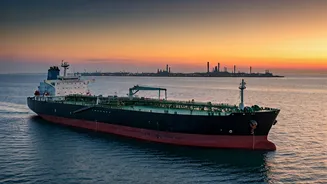

Diversifying Crude Imports
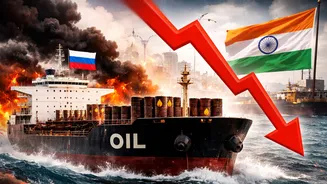
India's approach to crude oil imports is undergoing a significant transformation, driven by the need to navigate the implications of potential US sanctions.
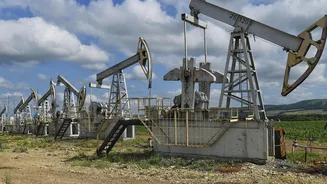
Facing possible economic repercussions, the country has begun diversifying its sources for crude oil, reducing its reliance on any single nation. This proactive shift highlights India's strategic foresight and its commitment to safeguarding its energy security. The move also serves to mitigate any potential disruptions to its economy by distributing the risks associated with geopolitical uncertainties. As part of this diversification strategy, India has increased its oil imports from Guyana and Saudi Arabia, seeking to balance its sourcing and build more resilient supply chains to withstand external pressures.
Alternatives Explored Actively
India's efforts extend beyond simply finding alternative suppliers; the country is also actively exploring the viability of various new sources to ensure a consistent supply of crude oil. By diversifying, India aims to reduce its vulnerability to sudden disruptions and maintain its economic stability. The quest for alternative suppliers also presents an opportunity for India to potentially negotiate more favorable terms, strengthening its position in the global energy market. The country’s focus on energy security is paramount, making it vital to proactively build and maintain a network of reliable and diverse oil import partners. This strategic approach highlights India’s focus on future-proofing its energy needs and ensuring consistent economic growth, irrespective of the fluctuating geopolitical climate.
Russia Remains Key Supplier
Despite the initiatives toward diversification, Russia continues to be the primary source of crude oil for India. This highlights the intricate balance India must maintain in its energy sourcing. While the country is actively exploring and integrating additional suppliers, the significance of Russian crude underscores existing trade relationships. The ongoing reliance on Russia showcases the complexities of global trade, as India weighs geopolitical factors against its immediate energy requirements. Maintaining this balance involves strategic decision-making to optimize both its energy needs and its global economic relations. This position also indicates the current interconnectedness of the global oil market and the ongoing impact of international sanctions and trade dynamics.