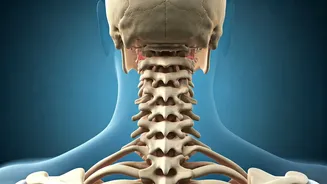








Understanding Neck Pain
Neck pain, a common ailment, should never be easily dismissed. Spine surgeons caution against this, emphasizing that it could signify underlying health
issues. Pain in the neck can stem from several causes, including muscle strains, poor posture, or even more severe conditions. It is frequently linked to everyday activities such as prolonged desk work, improper sleeping positions, or sports-related injuries. However, persistent or worsening pain, especially when accompanied by other symptoms like headaches, numbness, or weakness in the arms or legs, warrants immediate medical evaluation. Ignoring these signs can lead to chronic issues that might impact daily function and overall quality of life. The focus remains on recognizing that neck pain is not always trivial and prompt action is often required to prevent long-term complications, highlighting the critical role of awareness and timely intervention.
Threats and Concerns
The potential dangers associated with neck pain extend beyond simple discomfort. Serious underlying conditions can manifest through neck pain, making it imperative to take it seriously. One significant concern is the possibility of cervical radiculopathy, which involves nerve compression that may result in radiating pain, numbness, or weakness in the arms and hands. Another serious condition to consider is spinal stenosis, a narrowing of the spinal canal that can exert pressure on the spinal cord and nerves. Further threats include disc herniation, where the soft cushion between the spinal bones is displaced, leading to pressure on the nerves. Accidents or injuries, such as whiplash, can also cause significant neck pain and require prompt medical care. Recognizing these potential threats emphasizes the importance of a thorough evaluation by a spine specialist to determine the root cause of the neck pain and begin the correct treatment.
Seeking Medical Advice
When neck pain arises, knowing when to seek professional help is essential. Consulting a spine surgeon or another healthcare provider is critical, especially when the pain is severe, persistent, or accompanied by specific symptoms. These symptoms include radiating pain, numbness, tingling, or weakness in the arms or legs. Other red flags include headaches, fever, or any loss of bladder or bowel control. A healthcare professional will conduct a thorough examination, which may involve a review of the patient's medical history, a physical assessment, and diagnostic tests. Diagnostic tools like X-rays, MRI scans, or CT scans help identify the underlying cause of the neck pain. The right treatment plan depends on the diagnosis and may involve methods like physical therapy, medication, or in some cases, surgical interventions. Timely medical attention significantly improves the likelihood of a positive outcome and minimizes the risk of lasting complications, underlining the importance of prompt and proactive healthcare decisions.