


The Rice Reimagined
Traditional white rice, a global carbohydrate cornerstone, faces scrutiny for its high starch content which rapidly converts to sugar, contributing to the
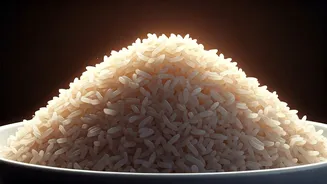
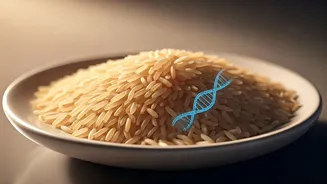
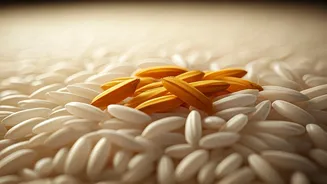
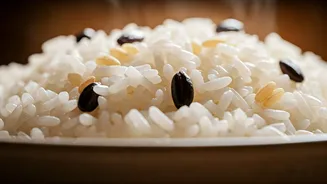
widespread issue of Type 2 diabetes. Addressing this nutritional gap, scientists at CSIR – National Institute for Interdisciplinary Science and Technology in Thiruvananthapuram, Kerala, have pioneered an innovative approach. They have transformed the humble broken rice, typically sold at a lower value, into a nutrient-dense powerhouse. This isn't merely about adding nutrients to the surface; it's a fundamental re-architecting of the grain. By deconstructing the rice into its core components – starch, protein, and fibre – and then meticulously reassembling them, this 'designer rice' retains its familiar taste and cooking characteristics while delivering a significantly enhanced nutritional profile. The goal is to combat malnutrition and provide a healthier staple for millions, without requiring drastic dietary changes.
Protein Powerhouse Protocol
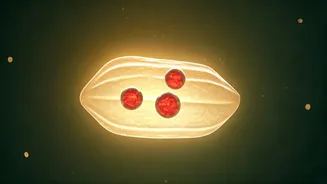
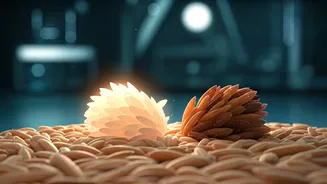
The core innovation lies in the substantial boost of protein content. While conventional rice typically contains between 6-8% protein, this newly developed variety boasts over 20% protein. This dramatic increase is achieved not through genetic modification, but through advanced food processing techniques. Broken rice is ground into flour, then blended with a significant amount of protein and essential micronutrients like iron, folic acid, and vitamin B12. This mixture is subsequently reformed into grains that visually and texturally mimic regular rice. This process effectively replaces a substantial portion of the starch with protein, conceptualized by the project's visionary, Dr. C. Anandharamakrishnan, Director of CSIR-NIIST, as swapping out 'sugar bricks' for 'protein beams' in the rice structure. This approach ensures that the rice offers a richer nutritional value, addressing common protein deficiencies and supporting better metabolic health.
Low GI and Fortification
Beyond its elevated protein levels, this designer rice is engineered to have a low glycemic index (GI) of below 55, a critical feature for individuals managing diabetes. Foods with a low GI release energy gradually, preventing the sharp blood sugar spikes that can be detrimental to diabetics. This characteristic makes it a more suitable staple for those concerned with blood sugar control. Furthermore, the rice is fortified with vital micronutrients, specifically iron, folic acid, and vitamin B12, directly integrated into its structure. This fortification aims to bridge nutritional gaps, particularly concerning anemia, which is prevalent in many regions. The combination of high protein, low GI, and essential micronutrients positions this rice as a proactive tool for metabolic health and overall well-being, making it a superior alternative to standard polished white rice.
Cultural Integration and Commercialization
A significant advantage of this designer rice is its seamless integration into existing cultural dietary habits. Unlike other health-conscious food trends that may require people to adopt unfamiliar ingredients like quinoa or salads, this innovation allows individuals to continue consuming rice, their beloved staple, but with vastly improved nutritional benefits. Dr. Anandharamakrishnan emphasizes that no cultural shift is necessary; people can simply enjoy their regular rice dishes with the added advantage of triple the nutrition. Recognizing its potential impact, CSIR-NIIST has officially transferred the technology to industry leaders like Consumer Products Limited, paving the way for its commercialization. This ensures that the 'designer rice' will soon be accessible in local grocery stores, making a substantial difference in the daily nutrition of millions without disrupting their culinary traditions.