




Celebrating the Harvest
Makar Sankranti, predominantly a harvest festival, holds immense significance in the Indian cultural tapestry. It signifies the commencement of the sun's
northward journey, representing a period of positivity and prosperity. This transition is observed with distinct fervor across various regions of India, each with its unique customs and traditions. The festival usually falls on the 14th of January every year and marks the end of the winter season and the start of longer days, making it an opportune time for farmers to celebrate a successful harvest. It embodies gratitude for the blessings of nature, making it a time for feasting, community gatherings, and expressing joy through colourful decorations, music, and dance. Communities come together to exchange greetings and spread the cheer of the season, creating a bond of unity and togetherness.
Regional Variations Flourish
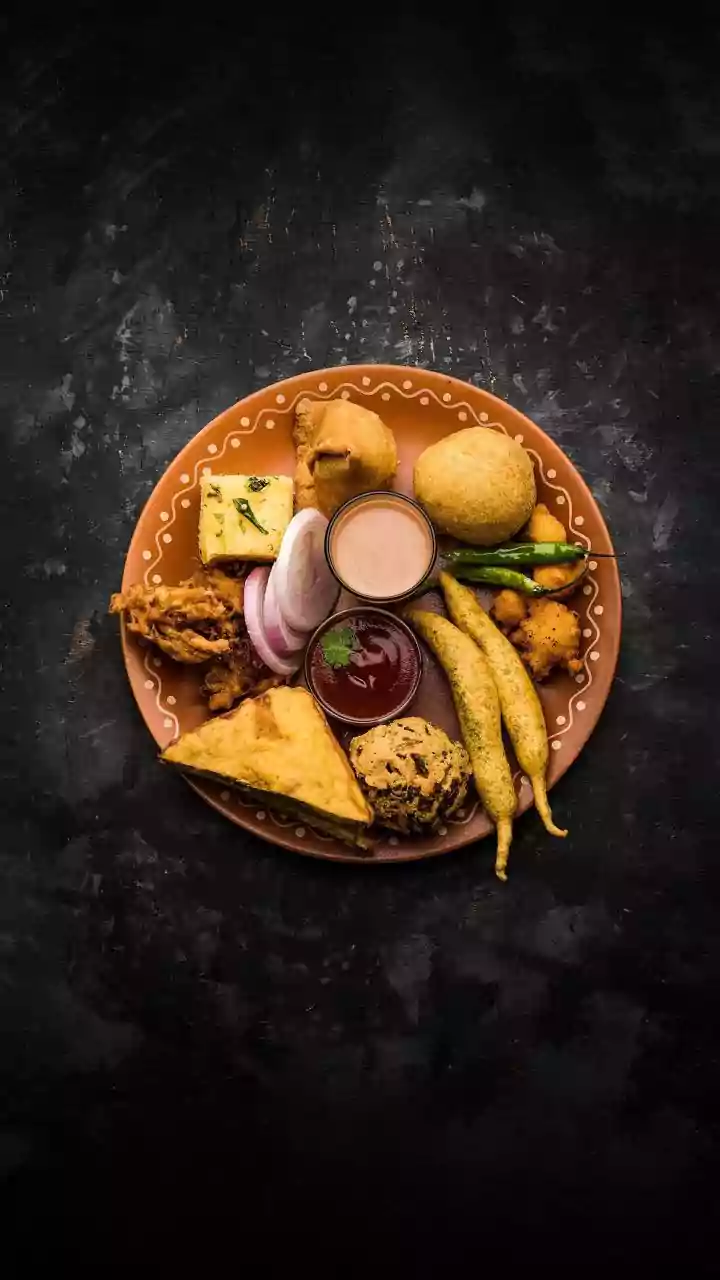
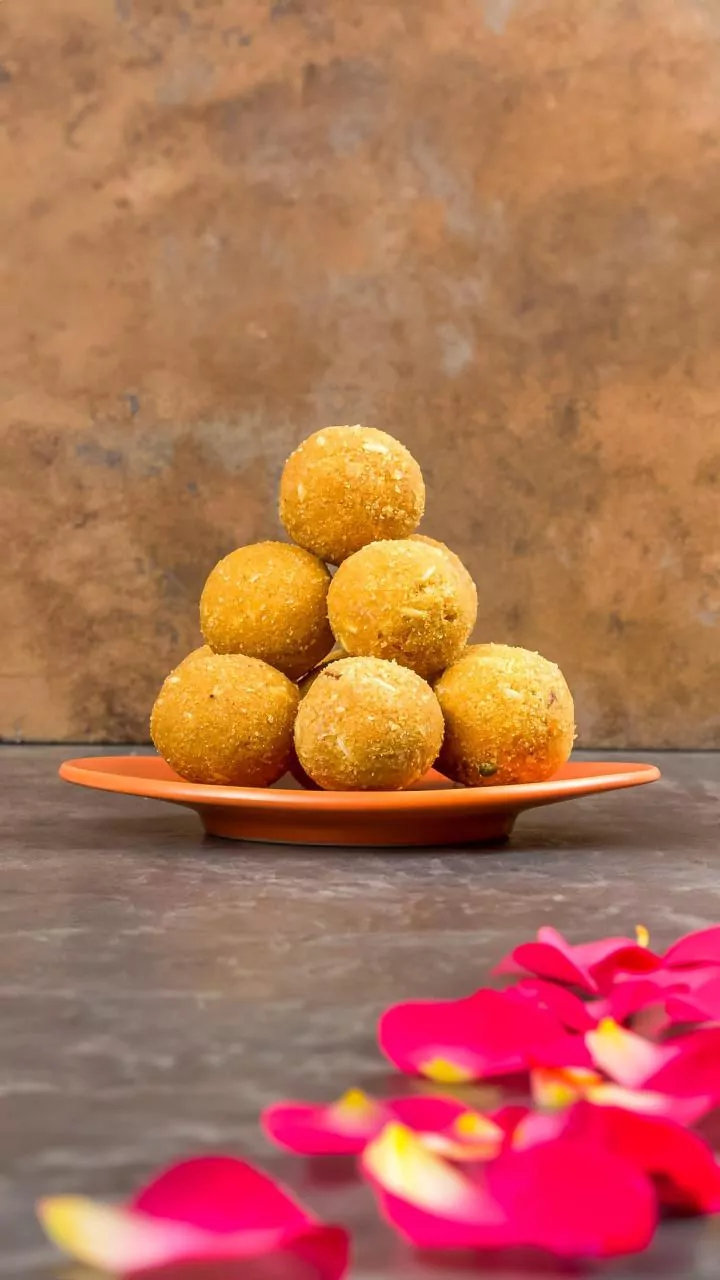
The beauty of Makar Sankranti lies in its diverse regional celebrations, each showcasing unique customs and traditions. In Gujarat, the festival is celebrated with kite flying, where the sky fills with vibrant kites, symbolizing freedom and joy. The vibrant atmosphere is heightened with the consumption of sweet treats like 'undhiyu' and 'chikki'. In Maharashtra, the day is marked by exchanging 'til-gul' (sesame and jaggery sweets) with the phrase 'til-gul ghya, ani god god bola' (eat sesame and jaggery and speak sweetly), representing the spirit of goodwill. In Tamil Nadu, the festival is observed as 'Pongal,' a four-day harvest festival where the first day, 'Bhogi Pongal,' involves discarding old belongings, symbolizing a fresh start. The second day, 'Thai Pongal,' is dedicated to the sun god, offering prayers for a bountiful harvest. Across all states, the central theme remains the same—celebrating the harvest and expressing gratitude for nature's bounty and the commencement of a period of renewed hope and happiness, signifying a time for new beginnings and the strengthening of community ties.
Wishes and Greetings
Exchanging wishes and greetings is a quintessential part of Makar Sankranti, reflecting the festive spirit. People convey their heartfelt wishes to family, friends, and loved ones, spreading joy and positivity. The greetings often convey blessings for a prosperous year, good health, and success. Traditional greetings are often accompanied by sharing sweets and participating in community activities, strengthening bonds. Digital platforms have made sharing wishes easier, with customized messages and e-cards. Regardless of the form, these greetings reflect the warmth and unity that defines Makar Sankranti. The sentiments shared often emphasize the spirit of gratitude, new beginnings, and the hope for a year filled with prosperity and happiness. The exchange of greetings encapsulates the core values of this vibrant festival, fostering goodwill and strengthening relationships.