




Tourism at Forefront
The Union Budget 2026 places tourism at the heart of India's employment and growth strategy, recognizing its role in job creation, foreign exchange earnings,
and local economic development. Finance Minister Nirmala Sitharaman highlighted tourism's importance, signaling a proactive approach to leveraging its potential. The budget showcased a commitment to developing 15 archaeological sites into immersive cultural destinations. This strategic shift moves away from simple sightseeing and emphasizes experience-led tourism. The aim is to make India's civilizational heritage more accessible, engaging, and economically viable for both domestic and international travelers. This includes enhancing visitor infrastructure, establishing interpretation centres, curating cultural experiences, and improving connectivity to these sites. The launch of a pilot scheme, in partnership with the Indian Institutes of Management (IIMs), will train 10,000 tourist guides across 20 major tourism sites. This comprehensive 12-week program is designed to equip guides with the necessary skills and knowledge to elevate visitor experiences. Furthermore, it is designed to generate local employment and reinforce heritage conservation.
Heritage Site Revamp
The Budget 2026 included plans for the development of 15 key archaeological sites. These sites, including Raigiri, Lothal, Sarnath, and Hastinapur, will undergo significant upgrades to become immersive cultural destinations. The focus is on creating vibrant experiential destinations. This will involve better visitor infrastructure, setting up interpretation centers, developing curated cultural experiences, and improving connectivity. The vision extends beyond simply preserving ancient sites; it focuses on presenting them as living narratives. The integration of a Turtle Trail and a Birdwatching Trail is planned alongside the development of the 15 archaeological sites. This aims to create a more diverse and enriching experience for tourists. These enhancements align with the broader goal of making India's civilizational heritage more accessible, engaging, and economically viable for domestic and international travelers.
Upskilling Tourist Guides
A significant announcement was the training of 10,000 tourist guides, as stated by the Finance Minister. This initiative emphasizes upskilling within the tourism and hospitality sectors. A pilot scheme, in collaboration with the Indian Institutes of Management (IIMs), is set to train these guides across 20 major tourism sites through a 12-week program. This effort will address the need for skilled professionals to enhance visitor experiences. The training program aims to equip tourist guides with updated skills, ensuring they can provide enriching and informative experiences. This is designed to generate local employment, strengthen heritage conservation, and present ancient sites as living narratives rather than static monuments. The establishment of a National Institute of Hospitality is also proposed to bridge the gap between academia, industry, and government. This step will foster collaboration and ensure that the tourism sector benefits from skilled professionals and innovative practices.
Buddhist Circuit Focus
The Union Budget 2026 includes a specific focus on the development of the Buddhist circuit. This initiative will concentrate on states like Andhra Pradesh, Sikkim, Mizoram, and Tripura. The aim is to promote heritage tourism associated with Buddhist traditions within these regions. The plan involves the development of infrastructure and the creation of immersive experiences that highlight the significance of Buddhist heritage. This strategic focus aims to attract both domestic and international tourists. This will contribute to economic growth and promote cultural understanding. The dedicated attention to these sites showcases the government's commitment to preserving and promoting India's rich heritage. The initiatives seek to create a cohesive and enriching experience for visitors interested in exploring the history and culture of Buddhism in India.
High-Speed Rail Corridors
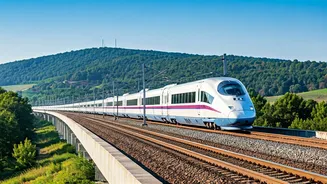
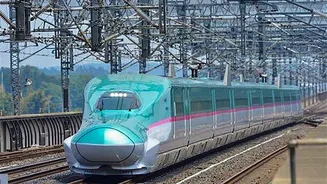
To promote environmentally sustainable passenger transport and strengthen regional connectivity, the Union Budget outlined plans for seven high-speed rail corridors. The initiative aims to reduce travel time, lower emissions, and link major economic centers. The proposed routes include: Mumbai-Pune, Pune-Hyderabad, Hyderabad-Bengaluru, Hyderabad-Chennai, Chennai-Bengaluru, Delhi-Varanasi, and Varanasi-Siliguri. The development of high-speed rail corridors is a crucial step towards modernizing India's transportation infrastructure and boosting tourism. This focus on sustainable passenger systems reflects a commitment to reducing the environmental impact of travel while also enhancing the overall travel experience. These high-speed rail projects will improve accessibility and ease of travel across key economic hubs. The goal is to enhance connectivity and stimulate economic activity by offering faster and more efficient transportation options.