





The Sweet Summer Dilemma
As Indian summers herald an abundance of beloved fruits like mangoes, watermelons, and litchis, many households embrace large mixed fruit platters. While
these fruits are packed with essential nutrients like fiber, vitamin C, and hydration, their natural sugar content (fructose) can pose challenges, particularly for individuals managing diabetes, obesity, or fatty liver disease. The concern isn't the fruits themselves, but rather their quantity, the timing of consumption, and how they are combined. Excessive fructose intake can strain the liver, elevate triglycerides, and exacerbate insulin resistance. Even though whole fruits are preferable to juices due to their fiber content, overindulgence can turn any healthy food into a potential problem, underscoring the need for mindful consumption during the peak season.
Mango Moderation Magic
Mangoes, a cherished summer delight, are relatively calorie-dense. A medium mango (around 200 grams) can contain approximately 28 grams of carbohydrates and 120 calories. Its glycemic index is moderate, but consuming more than one can significantly increase your carbohydrate load. For individuals with diabetes, a reasonable daily portion is about half a medium mango, roughly 100 grams of flesh, or four to five thin slices. Those without diabetes can generally enjoy one small to medium mango as part of a balanced diet. It's advisable to consume mango as a standalone snack, perhaps paired with protein or healthy fats like nuts, unsweetened curd, roasted chana, or paneer, to slow down sugar absorption and enhance fullness. Avoid mango shakes, aamras, or juices, and refrain from eating multiple mangoes throughout the day.
Watermelon Wisdom
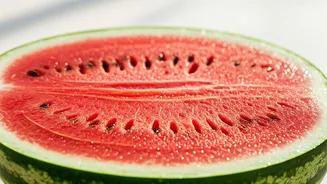
Watermelon, despite its high water content and low calorie count, can lead to confusion. While its glycemic index is high, the glycemic load per serving is modest, meaning it doesn't drastically spike blood sugar in typical portions. The real challenge with watermelon lies in its tendency to be overconsumed due to its refreshing nature and perceived lightness. A cup of cubed watermelon (about 150 grams) provides roughly 45 calories. For individuals managing diabetes, a portion of 100 to 150 grams once daily, preferably as a mid-morning or evening snack, is generally suitable. Others can consume up to 200 grams at a time. Opting for watermelon juice is less advisable, as it removes the beneficial fiber, concentrating the sugar content and increasing the impact on blood glucose.
Litchi's Cautious Charm
Litchis are another sweet fruit that warrants caution due to their concentrated fructose content. A serving of ten litchis contains about 100 calories and approximately 25 grams of sugar. For individuals without diabetes, consuming seven to eight litchis in one sitting is typically safe. However, those living with diabetes should aim to limit their intake to just three or four litchis. Similar to other fruits, pairing litchis with nuts or paneer can help moderate the rise in blood sugar levels. An important note regarding unripe litchis is their potential link to hypoglycin A, a substance associated with encephalitis outbreaks in undernourished children who consumed them on an empty stomach. Ripe litchis, eaten after a meal, are safe, but children should not substitute dinner with them.
Papaya & Stone Fruit
Ripe papaya, often found on summer platters, offers about 40 calories per 100 grams and has a moderate glycemic index, making it a gentler option than some other fruits. A daily intake of 150 to 200 grams is generally acceptable for most people, with individuals managing diabetes advised to consume half that amount. However, even papaya contributes carbohydrates, and the error often lies in adding it to an already substantial fruit assortment. Plums and peaches are increasingly popular and generally safer choices when consumed in sensible quantities. A person with diabetes might have one medium peach or two small plums, while others can enjoy roughly double these amounts. These stone fruits are rich in fiber, leading to a slower glucose release compared to fruit juices or sugary desserts.
Navigating Mixed Platters
A mixed fruit platter, while appearing healthy with varieties like mango, watermelon, papaya, muskmelon, and litchis, can collectively deliver a carbohydrate load equivalent to two chapatis or a large bowl of rice. Many people readily consume such fruit combinations without considering the substantial starch equivalent, unlike how they'd approach carb-heavy meals. The key issue isn't the variety but the assumption that fruit is a 'free food' category where portion sizes are irrelevant. When combining fruits, the total quantity should approximate a single serving, not separate servings of each fruit. For instance, a person with diabetes might combine two small mango slices, two cubes of watermelon, a few muskmelon cubes, and two litchis, keeping the total around 100 grams. Non-diabetics can roughly double this amount. This approach allows for variety without excessive consumption, creating a sense of abundance within controlled portions.
Timing and Takeaways
The timing of fruit consumption significantly impacts its effect on blood sugar and overall health. Fruits are generally best enjoyed as snacks between meals, rather than immediately following a heavy meal of rice or rotis. Consuming large bowls of fruit late at night is another common misstep, as the body's ability to process glucose tends to decline later in the day. Wherever feasible, shifting fruit intake to the earlier parts of the day is recommended. For a practical daily plan, consider these guidelines: a person with diabetes can have about 100g of mango, 100-150g of watermelon, 3-4 litchis, and 100g of papaya. Others can have 150-200g of mango, 200g of watermelon, 7-8 litchis, and 150-200g of papaya. For a combined platter, aim for a total of no more than 100g for diabetics and 200g for non-diabetics, including those focused on weight management. Crucially, always avoid fruit juices, whether fresh or canned, as they lack fiber and concentrate sugars.