






Physical Readiness is Key
The trek to Kedarnath, stretching from Gaurikund, presents a physically demanding ascent characterized by steep inclines and fluctuating atmospheric conditions
at high altitudes. To ensure a comfortable experience, it's highly recommended to commence a fitness regimen involving light walking, stair climbing, or cardiovascular exercises at least several weeks prior to your departure. Pack minimally, carrying only indispensable items in a well-fitting backpack. It's a common misconception to underestimate the trek's difficulty simply because many undertake it annually. Lack of preparation can lead to common ailments like exhaustion, breathlessness, and muscle cramps, significantly diminishing the journey's enjoyment. Prioritizing physical conditioning is paramount for pilgrims of all ages, paving the way for a safer and more pleasant pilgrimage.
Dress for Dynamic Weather
The weather in Kedarnath is notoriously unpredictable, capable of shifting from brilliant sunshine to rain, biting winds, or near-freezing temperatures within a matter of hours. Therefore, it is imperative to pack appropriate clothing. Always include thermal wear, gloves, warm socks, a waterproof outer jacket, and rain gear. Layering your clothing is the most effective strategy, allowing you to adjust to the varying temperatures throughout the day. Do not solely rely on the warmth of the daytime sun, nor assume that summer months guarantee comfortable conditions in the Himalayas. Many travelers face difficulties due to inadequate packing, often bringing only light cotton attire. Staying warm and dry is crucial for preventing illness, fatigue, and discomfort associated with high-altitude travel, thereby enhancing your pilgrimage experience.
Respect Altitude's Effects
The impact of high altitude can affect even individuals in peak physical condition. Throughout the trek, maintaining hydration by drinking water frequently and consuming light meals is essential for sustained energy levels. Carrying oral rehydration salts (ORS), dry fruits, and simple energy-boosting snacks can aid in quick recovery. Maintain a steady walking pace, and don't hesitate to take breaks whenever necessary. It's crucial not to dismiss warning signs such as dizziness, headaches, nausea, or unusually difficult breathing, as these could indicate altitude sickness. If symptoms become more severe, seek medical assistance without delay. Rushing the trek to complete it quickly is ill-advised; listening to your body’s signals is one of the most sensible approaches to navigating the Kedarnath route safely and effectively.
Conduct with Reverence
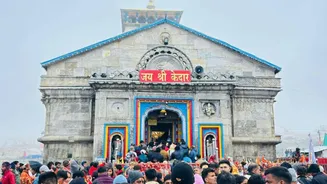
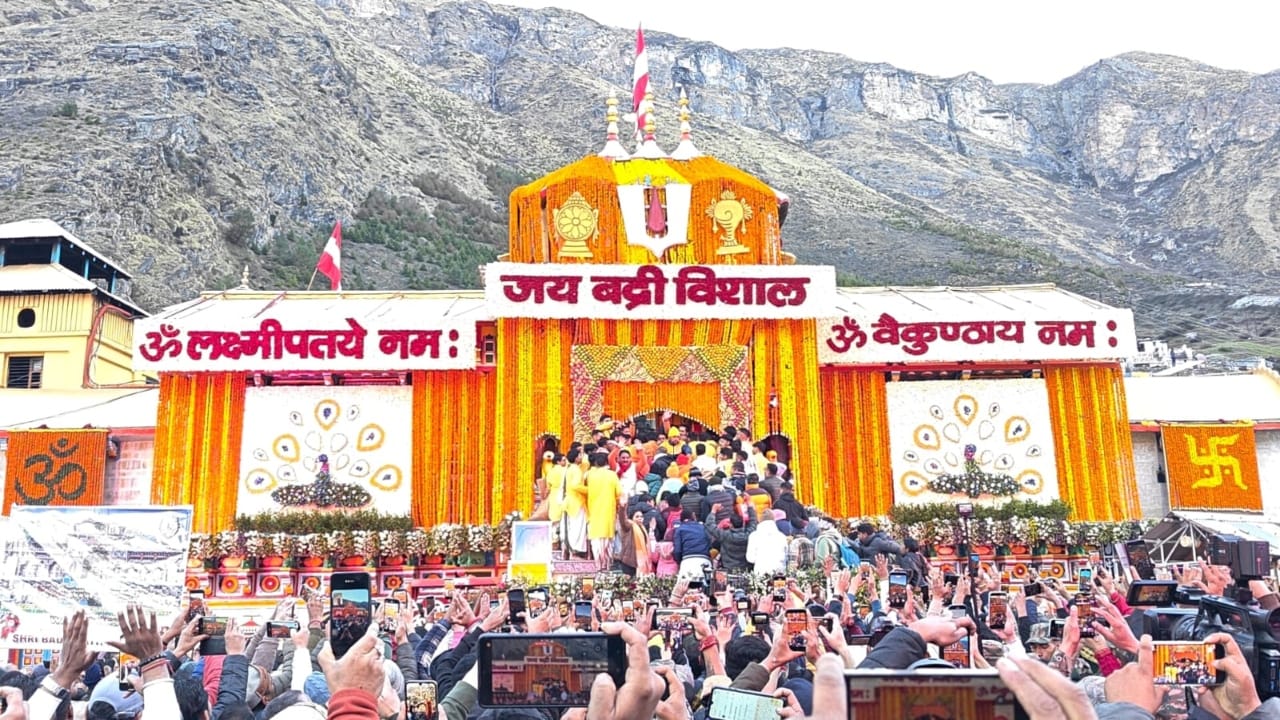
Kedarnath is revered not merely as a tourist spot but as one of India's holiest pilgrimage sites. Pilgrims are expected to dress modestly, adhere to established queue systems, and follow the guidance of local authorities and temple staff. It is important to maintain a serene and respectful demeanor, particularly in the vicinity of the shrine, preserving the spiritual ambiance. Responsible waste management is also crucial; carry your refuse back with you or utilize designated waste bins, refraining from discarding plastic bottles, wrappers, or food remnants along the path. Loud music, shouting, or any disruptive behavior should be avoided. Such considerate conduct helps in preserving the sanctity and pristine natural beauty of the region, while also ensuring a more peaceful and enriching experience for all fellow devotees.
Plan Your Journey
Before commencing the Kedarnath trek, ensure all necessary registrations are completed, verify the current status of the route, and regularly monitor weather advisories. Be aware that landslides, rainfall warnings, and potential route closures can impact travel plans in the area. During the peak season, it is advisable to book accommodation, pony rides, or helicopter services well in advance. Always keep identification, emergency contact details, and a portable power bank readily accessible. Undertaking the journey without adequate planning, especially during the monsoon season or periods of heavy pilgrimage rush, can lead to significant delays, safety concerns, and undue stress. A meticulously planned trip offers greater peace of mind and allows for more time dedicated to seeking blessings (darshan).