


Why They Linger
Understanding why pigeons are drawn to your balcony is the first step in effective deterrence. Pigeons are known to be creatures of habit, frequently returning
to areas where they've previously found comfort or sustenance. A primary reason for their persistent visits is the lingering scent left behind by their droppings. This odour acts as a powerful attractant, signaling to other pigeons that the location is safe and potentially a good spot for roosting or nesting. Therefore, tackling the source of this scent by ensuring thorough cleanliness is paramount to permanently discouraging their presence. Neglecting this crucial step means you'll likely be fighting a losing battle, with new flocks returning as soon as they catch the familiar scent.
Sparkling Clean Balcony
Maintaining a pristine balcony is your most potent weapon against persistent pigeon invaders. Implementing a daily cleaning routine significantly diminishes the likelihood of pigeons returning to your space. When you undertake the cleaning, it's essential to prioritize your health by wearing protective gear such as a mask and gloves. This is particularly important as pigeon droppings can harbor pathogens. By diligently removing all traces of droppings and debris on a regular basis, you eliminate the scent markers that attract them and make your balcony an uninviting place. A consistently clean environment signals that the area is not a suitable resting spot, prompting them to seek out other, less maintained locations for their needs.
Olfactory Off-Limits
Pigeons possess a keen sense of smell and are quite repelled by strong, pungent odours. You can harness this aversion by employing a few simple, natural remedies. One effective method is to boil red chilies in water and then strain the mixture to create a potent spray. Apply this spray generously to the corners and accessible areas of your balcony. Another powerful deterrent is white vinegar; soak pieces of cloth in pure white vinegar and place them strategically near windows and entry points. Additionally, wiping down surfaces with a diluted vinegar solution can further enhance the unwelcoming atmosphere. Finally, placing mothballs in corners adds another strong scent that pigeons find highly disagreeable, effectively signaling that your balcony is not a welcoming habitat.
Visual and Auditory Scares
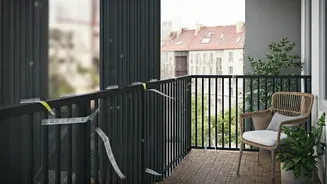
Pigeons are easily startled by visual disturbances and unexpected noises, making them susceptible to simple yet effective deterrents. You can create visual distractions by hanging strips of aluminum foil or old compact discs (CDs) from your balcony railings. The reflective surfaces catch the sunlight and flash erratically, unnerving the birds. The movement of these items in the breeze adds to the effect. Furthermore, the gentle tinkling of wind chimes can also be highly effective. As they sway with the wind, wind chimes not only reflect light but also produce intermittent sounds, both of which discourage pigeons from settling. These methods leverage their natural wariness to keep them at bay.
Decoy Defence Tactics
Leveraging a pigeon's natural instincts can be a surprisingly effective way to deter them. Many people have found success by placing decoy objects that mimic predators or signs of danger. Common choices include realistic-looking plastic owls or artificial snakes. When pigeons spot these figures, they perceive an immediate threat, leading them to believe the area is unsafe. This perceived danger discourages them from landing or lingering on your balcony. The key is to place these decoys in visible locations where pigeons are likely to spot them. While not a foolproof method on its own, it serves as an excellent complementary strategy to other deterrence techniques, adding an extra layer of psychological barrier for the birds.
Sticky Situations
For those persistent pigeons that seem unfazed by other methods, a simple yet surprisingly effective trick involves using double-sided tape. Apply strips of strong double-sided tape along the edges of your balcony railings or other surfaces where pigeons tend to perch. When a pigeon attempts to land, its feet will become stuck to the adhesive surface. This unpleasant and startling sensation makes them uncomfortable and prompts them to immediately fly away. Crucially, this method is harmless to the birds, causing no lasting injury, but the negative experience is often enough to convince them to avoid that particular spot in the future. It’s a direct and immediate feedback mechanism for the avian visitors.
Long-Term Installations
For a more permanent solution to ongoing pigeon problems, consider installing specialized deterrents designed for long-term effectiveness. Bird spikes, made from either plastic or steel, are an excellent option. These spikes can be affixed to surfaces where pigeons frequently land or attempt to nest, such as AC units, window ledges, and railings. The spikes create an uncomfortable and impassable surface, preventing pigeons from perching or building nests. Another practical installation involves fitting slanted boards onto the edges of your windows. These boards make it impossible for pigeons to get a stable footing, effectively stopping them from settling on these areas. These physical barriers provide a robust and lasting defence against unwanted avian visitors.