


The Deceptive Sugar Load
Many individuals, like a 34-year-old professional who believed he ate cleanly, are unknowingly contributing to fatty liver disease through their beverage
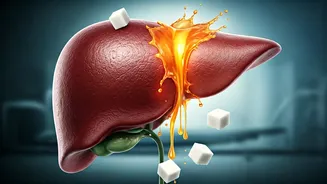
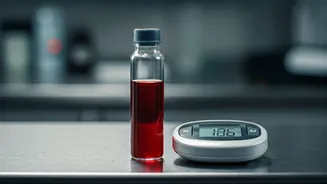
choices. Despite avoiding sodas and consuming home-cooked meals, his regular intake of energy drinks, mocktail mixes, and packaged fruit juices proved to be the hidden risk factor. These drinks, often perceived as less harmful than traditional colas, are loaded with concentrated sugars, primarily fructose. Unlike the sugars found in whole fruits, which come with beneficial fiber to slow absorption, the fructose in these liquid forms is rapidly absorbed. This rapid influx overwhelms the liver, which is the primary organ responsible for metabolizing fructose. When faced with an excessive amount, the liver converts the excess into fat, initiating a cascade of fat accumulation within liver cells. This process can eventually lead to inflammation, scarring, and more severe liver conditions if left unchecked. The rapid absorption is further exacerbated by the lack of fiber in these beverages, unlike solid foods, leading to quick spikes in blood sugar and insulin levels, further signaling the liver to store more fat.
Energy Drinks & Juices Explained
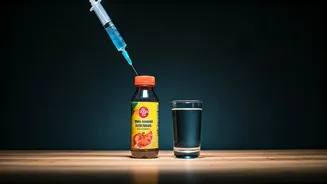
Energy drinks, often lauded for their ability to combat fatigue thanks to caffeine, can also pack a significant sugar punch, sometimes exceeding that of soft drinks. This high sugar load, combined with the caffeine that masks tiredness, encourages higher consumption, delivering a potent dose of fructose to the liver. Similarly, packaged fruit juices, despite their 'healthy' image and marketing highlighting vitamins, are stripped of their natural fiber during processing. This leaves consumers with a concentrated source of natural sugars equivalent to several whole fruits, all absorbed within minutes. The liver faces an immediate burden trying to process this sugar surge. Mocktail mixes, though alcohol-free, present another challenge. They frequently rely on heavily sweetened syrups, fruit concentrates, and added sugars to achieve their appealing flavors. Often consumed in social settings, their sugar content is frequently overlooked, leading to substantial fructose intake. The liver treats the sugars from all these beverages similarly, converting excess into fat if not immediately used by the body.
The Cycle of Insulin Resistance
The consistent consumption of sugary beverages can initiate a detrimental cycle of insulin resistance within the body. Each time these drinks cause a rapid spike in blood sugar, the pancreas releases insulin to manage it. Over time, the body's cells can become less sensitive to insulin's signals, leading to the pancreas producing even more insulin to compensate. This hormonal imbalance doesn't just affect blood sugar control; it also directly signals the liver to increase fat storage. As more fat accumulates in the liver, the risk of developing fatty liver disease escalates. This condition is closely linked to other metabolic issues, including obesity, metabolic syndrome, and an increased likelihood of developing Type 2 diabetes. Therefore, the seemingly innocuous habit of regularly drinking sweetened beverages can have far-reaching consequences for overall metabolic health, creating a complex interplay of hormonal and fat-storage mechanisms that are difficult to reverse without significant lifestyle intervention.
Alcohol's Synergistic Effect
When sugary drinks are combined with alcohol, the impact on the liver is amplified significantly. The body prioritizes processing alcohol, treating it as a toxin. This diversion of the liver's resources means its capacity to break down fats and sugars is compromised. Consequently, fats that would normally be utilized for energy begin to accumulate within liver cells, creating a metabolic bottleneck. Simultaneously, the consumption of sugary drinks floods the liver with fructose, which it then converts into even more fat. This creates a double burden, accelerating the development of fatty liver disease. This synergistic effect is often compounded by late-night eating habits, which are common when consuming alcoholic beverages socially. During the night, the body's metabolism naturally slows down, further hindering the processing of both alcohol and excess sugar, leading to increased fat deposition.
Healthier Beverage Swaps
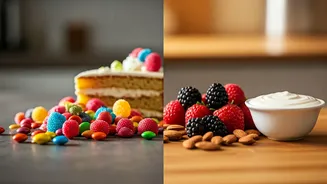
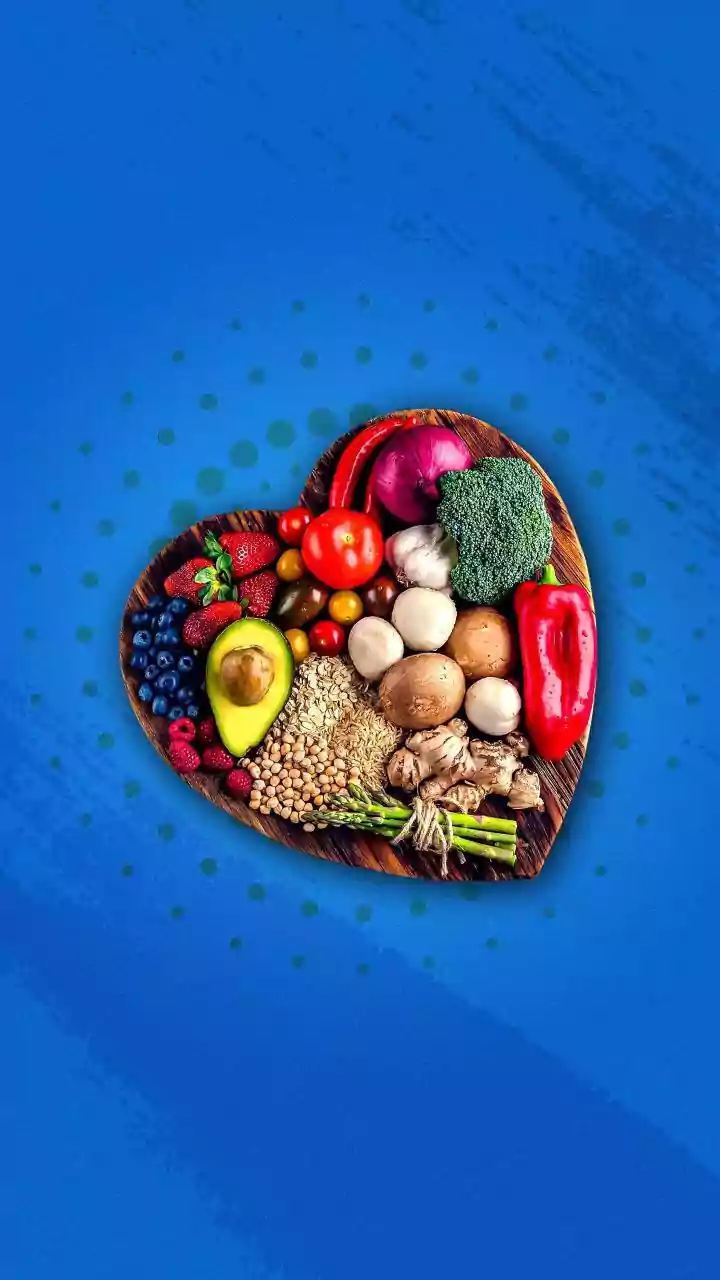
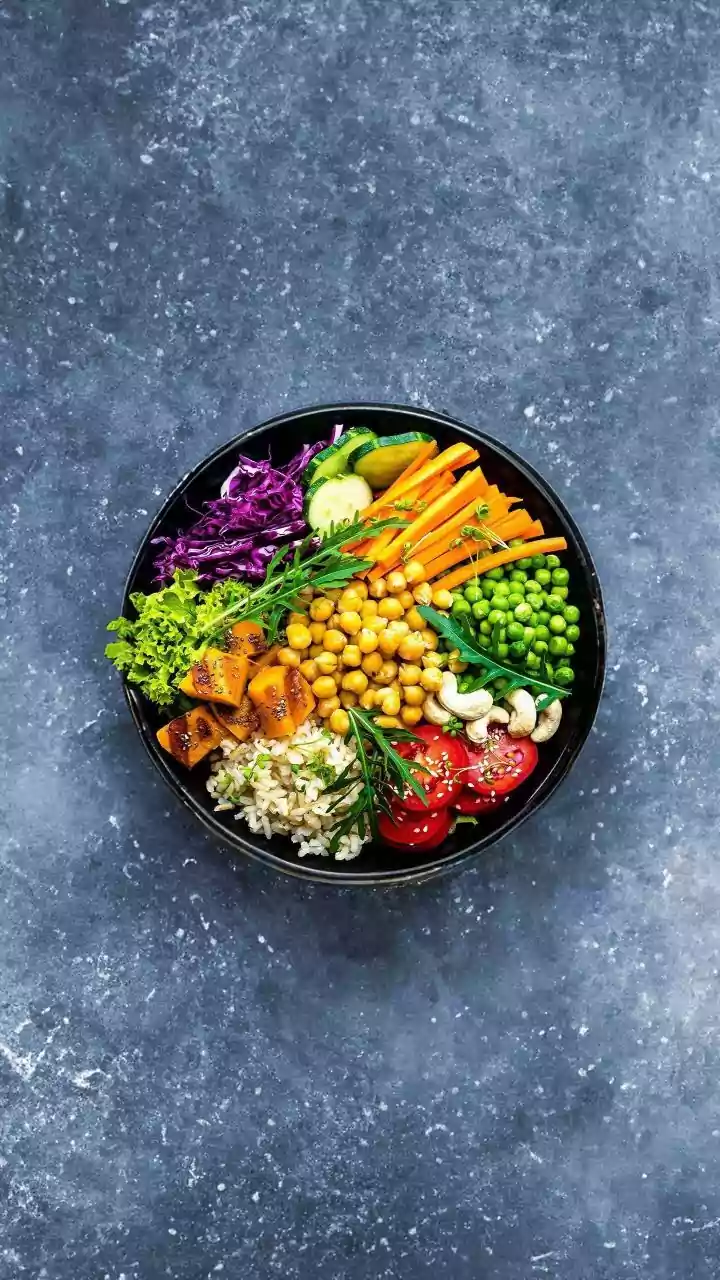
Making conscious choices about what you drink can dramatically reduce the risk of developing fatty liver disease. Instead of reaching for packaged juices, opt for whole fruits, which provide essential fiber that slows sugar absorption. Infused water, made by adding fruits like lemon, cucumber, or mint to plain water, offers a refreshing taste without any added sugars. Unsweetened coconut water is another excellent hydrating choice. Plain tea and coffee, consumed without added sugar or milk, are also viable options. For a celebratory feel, consider making fresh citrus spritzers using squeezed lemon, lime, or orange mixed with sparkling water and a few sprigs of mint. These alternatives provide the desired refreshment and flavor without the excessive sugar load that burdens the liver. The key is to prioritize hydration with water and naturally flavored, unsweetened beverages over processed, high-sugar drinks.