






The Evolving Self-Care Landscape
The concept of self-care has undergone a significant transformation, evolving from simple pleasures like bubble baths and spa days to a much broader spectrum
of activities designed to foster both mental and physical well-being. Generation Z, in particular, has embraced this evolution with a distinctive approach, integrating elements of popular culture, viral social media trends, and a deep-seated desire for genuine, enriching experiences. This new wave of self-care prioritizes immediate gratification and personal fulfillment, challenging older generations' tendency to postpone happiness for an uncertain future. It acknowledges the present moment as a valuable entity, where joy and rejuvenation are actively sought rather than deferred.
Matcha: A Mindful Ritual
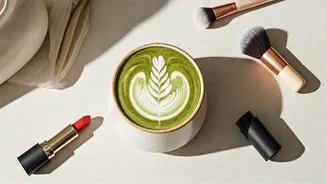
The trend of 'matcha self-care' for Gen Z transcends the mere act of drinking the vibrant green tea. It encompasses the entire ritualistic and aesthetic experience surrounding it, from the preparation of matcha lattes and decadent desserts to the incorporation of matcha-infused skincare. For this generation, engaging with matcha offers a deliberate pause in their fast-paced lives, serving as a form of mindful meditation. The careful preparation and unhurried consumption of matcha provide an opportunity to slow down, focus on the present, and cultivate a sense of inner calm and tranquility. This practice highlights a desire for moments of deliberate peace amidst daily pressures.
Makeup as Expression
For many in Gen Z, makeup has transitioned from a cosmetic necessity to a vital component of self-care, serving as a powerful tool for creative expression and a significant confidence booster. They view makeup as a form of art, freely experimenting with audacious colors, intricate designs, and unique personal styles. The application process itself is often therapeutic, allowing individuals to dedicate focused attention to themselves and craft a desired persona. Furthermore, the sharing of makeup looks, techniques, and tips on platforms like TikTok and Instagram cultivates a sense of community and shared passion, reinforcing the idea that self-expression through beauty is a valid and fulfilling form of self-care.
Concerts: Collective Euphoria
Live music events and concerts represent another cornerstone of Gen Z's self-care practices, offering a potent source of emotional uplift and shared experience. The sheer energy emanating from a live performance, coupled with the communal atmosphere among fellow fans, provides an unparalleled sense of exhilaration. These events serve as a crucial escape from the daily grind and stressors, allowing individuals to connect deeply with artists they admire and forge unforgettable memories. The entire experience, from the anticipation leading up to the concert and the thoughtful outfit selection to the journey to the venue, contributes significantly to their overall sense of well-being and happiness.
Personalized Well-being Choices
Beyond these popular trends, Gen Z's approach to self-care is fundamentally defined by its adaptability and personalization. They actively resist rigid definitions and are empowered to curate activities that genuinely bring them joy and peace, whether it's gaming, indulging in binge-watching sessions, connecting with nature, or pursuing creative hobbies. The core principle is identifying what resonates individually and making mental and emotional health a paramount priority in a world that frequently feels overwhelming. This generation prioritizes experiencing happiness in the present, believing that self-care is not a luxury but a necessity for navigating modern life.
Conscious Spending, Not Reckless
Contrary to perceptions of reckless spending, Gen Z's financial habits are often characterized by intentionality. They are making calculated choices, prioritizing experiences and items that directly enhance their daily lives and mental well-being. This conscious spending involves balancing immediate gratification with future considerations. Tanya Singh highlights that their spending is not aimless but rather directed towards elements that foster daily functioning and positive feelings, such as skincare, outfits, nutraceuticals, and experiences. This generation has witnessed the burnout of older generations who deferred happiness for an uncertain future, leading them to prioritize self-care now as a form of self-awareness and responsible living, not irresponsibility.
Experiences Over Hoarding
Avyaktha Shashidhar articulates a generational perspective where the purpose of spending money is to create lasting memories and moments, rather than simply accumulating wealth. This philosophy extends to activities like attending concerts, purchasing fashionable clothing, enjoying matcha drinks, investing in skincare, or indulging in nail art. These are not viewed as wasteful expenditures but as deliberate choices aimed at happiness and living fully during their youth. While older generations might prioritize long-term financial stability and tangible returns, Gen Z believes in harnessing the best of both worlds by enjoying the present moment while concurrently planning for the future through early budgeting and saving.
Navigating the Financial Tightrope
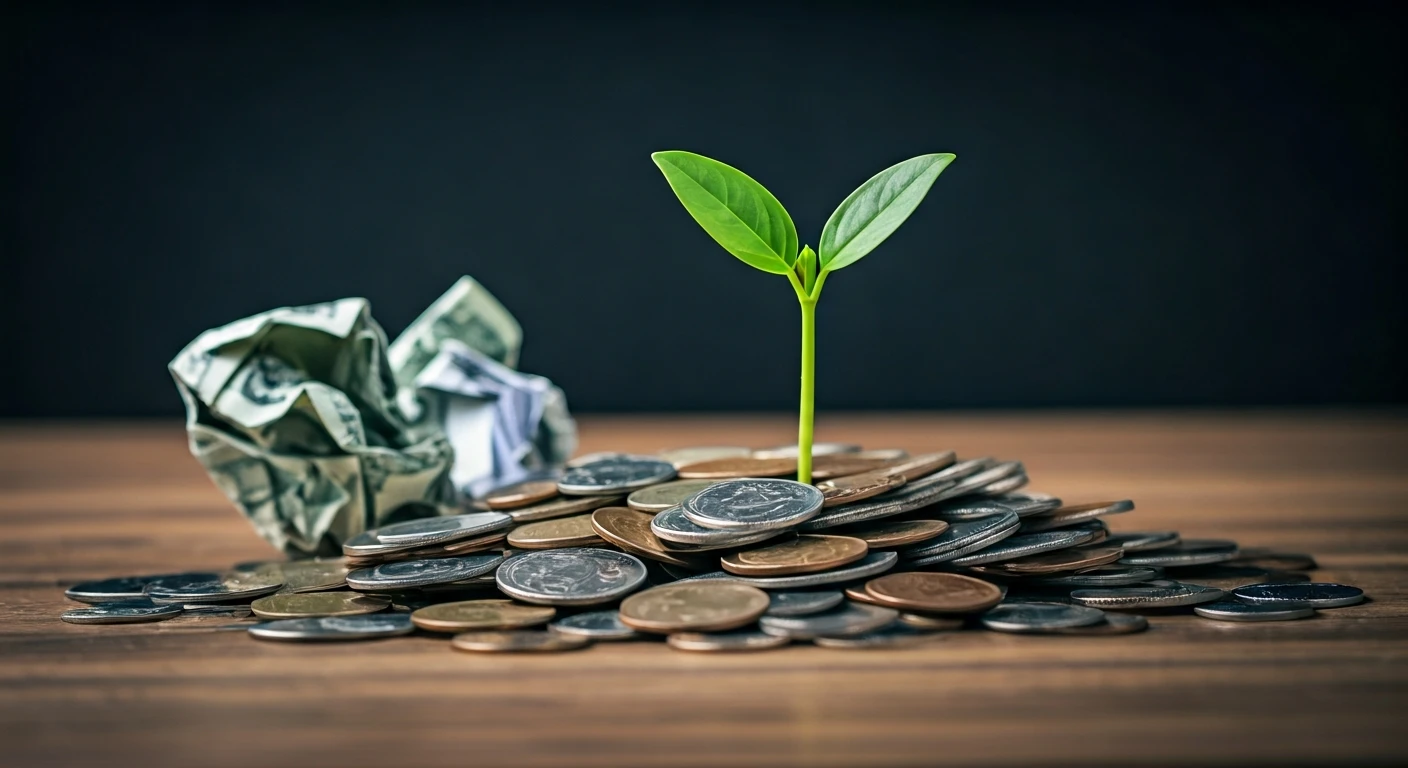
Gen Z is actively redefining the relationship between saving and spending, demonstrating a keen awareness of their finances. They meticulously track expenses, explore diverse income streams, and consider financial security from an early age. However, this practical approach doesn't compel them to put their lives on hold for the future. Experiences like dining out, socializing, and investing in self-care are recognized as meaningful expenditures. The focus is on making deliberate choices about where, why, and what they gain from their spending. Siddharth Maurya notes that this generation values experiential spending, self-care, and self-expression more than older generations conditioned to prioritize savings and long-term economic security, viewing expenditures on wellness and lifestyle as crucial for mental well-being and identity.
Intentional Living and Guilt-Free Joy
Snehaa Goyal emphasizes the importance of fulfilling personal desires while acknowledging the necessity of savings. She advocates for a balanced approach, dividing income into categories for shopping, experiences, and emergency funds, alongside investments like digital gold, SIPs, and FDs. For her, travel and luxurious stays are key to mental and physical rest. She asserts, 'I owe it to myself to also live a little through it,' highlighting a belief in enjoying the fruits of one's labor in the present. This mindset is about taking care of the current generation and prioritizing personal well-being, with the confidence that future generations can manage their own affairs. Athira exemplifies this by saving over 30 percent of her income while allocating the remainder for rent and happiness-inducing activities.
The Art of Conscious Spending
Experts like Divya Aggarwal and Siddharth Maurya observe that Gen Z's spending behaviors signal a significant shift in how value and well-being are perceived. While not inherently financially irresponsible, their choices reflect a clear recalibration of priorities, emphasizing experiential aspects and self-expression. The concern arises when lifestyle spending outpaces income or compromises long-term financial stability. Therefore, adopting 'conscious spending' is paramount. This involves allocating a specific portion of income for guilt-free enjoyment and investments, integrating both spending and saving. Mahesh Shukla suggests that informed credit usage, budgeting, and early investing are crucial for Gen Z to enjoy their present lives without jeopardizing their financial future.