






The IRCTC Mandate
In response to the escalating LPG crisis, exacerbated by global conflicts, the IRCTC issued a directive for all railway station kitchens to cease using
LPG cylinders for cooking. This significant policy shift mandates the adoption of microwave ovens and induction stoves as primary cooking equipment. The aim is to ensure continued food service for passengers and reduce reliance on volatile gas supplies. This directive has sparked varied reactions and implementation challenges across the vast railway network, as reported by various media outlets investigating the practicalities of this nationwide change in culinary operations. The urgency stems from potential supply chain disruptions impacting essential services.
Pandit Deendayal Upadhyay Junction's Dilemma
At the bustling Pandit Deendayal Upadhyay Junction, a key station on the Delhi-Howrah route, the transition to induction cooking is far from complete. Food plazas are currently utilizing their remaining LPG cylinder stock, with orders for new induction stoves and microwave ovens placed as per IRCTC's instructions. Sandeep Yadav, a food court manager, highlighted the immense scale of the station and its high passenger volume, expressing concerns about the feasibility of adequately serving such a large customer base solely with induction cooktops. He emphasized that their immediate reliance on LPG continues until their current supply depletes, after which they will pivot to the mandated appliances. He appealed for a consistent LPG supply to meet their operational needs during this transition period, underscoring the dependency on existing resources.
Jaipur's Food Supply Disruption
The situation at Jaipur Railway Station paints a grim picture, with IRCTC kitchens reportedly shut down. Vendors conveyed to reporters that cooking substantial meals using only induction stoves and microwaves is practically unfeasible. The unavailability of gas cylinders had already severely impacted food supply, reducing it to a mere one-third by Wednesday evening. Management at Jaipur station have actively rejected induction stoves and microwaves, citing their inability to handle the large-scale food preparation required. They have formally requested the government to classify IRCTC canteens as emergency services to ensure a steady provision of LPG cylinders, highlighting a critical operational bottleneck and a plea for essential resource allocation.
Lucknow's Hybrid Approach
In Lucknow's Charbagh Railway Station, the IRCTC restaurant has adopted a mixed approach, employing both induction stoves and commercial gas cylinders. While induction is being used for heating liquids like tea and water, the preparation of regular meals continues to rely on gas cylinders. Abhishek Tripathi, the restaurant manager, stated that operating the entire kitchen exclusively on induction would not be practical given its daily capacity to feed approximately 1,000 passengers and process about 1.5 tons of food. The restaurant is currently not experiencing any gas cylinder shortages, but Tripathi remains uncertain about the long-term efficacy of a fully induction-based system. A passenger, Firoz Khan, shared a similar sentiment, suggesting that cooking with gas currently appears more organized and straightforward.
Muzaffarpur's Stalled Transition
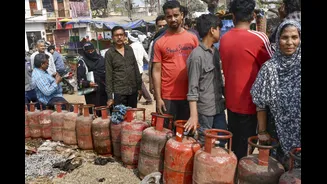
At Muzaffarpur Junction in Bihar, food stalls continue to operate using LPG cylinders, with the IRCTC's directive largely unheeded. Canteen operators are sourcing 5-kg cylinders locally to maintain their services, indicating a significant gap between the mandate and on-ground reality. Despite the Tuesday announcement from IRCTC, an induction stove had still not been made available by Thursday. Canteen Manager Manoj Kumar expressed considerable difficulty in procuring cylinders and confirmed the absence of induction stoves for their use. This situation reflects a broader struggle to implement the new cooking methods, with essential equipment and supplies remaining elusive for many smaller operational units.