





Sacred Waters Polluted
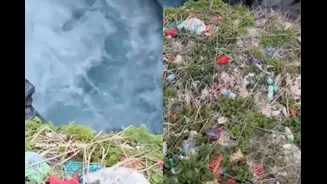
A recent viral video has cast a harsh spotlight on Mana Village, a place renowned for its spiritual significance and its proximity to the sacred Saraswati
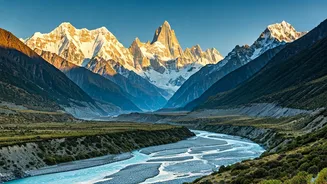
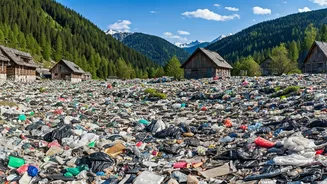
River, situated near Badrinath Dham. This once pristine locale, celebrated in 2012 for its natural beauty and cleanliness, is now visibly marred by an alarming accumulation of garbage. The footage, which has circulated widely on social media platforms, depicts the typically crystal-clear glacial waters and surrounding hills overwhelmed by plastic debris and other waste. This stark contrast between its former glory and current state has ignited widespread concern and debate across India, underscoring a critical issue where the very act of appreciating and visiting these natural wonders is inadvertently leading to their degradation. The situation in Mana Village serves as a potent, albeit unfortunate, illustration of the significant environmental challenges posed by unchecked tourist influx and a lack of public civic responsibility, turning a revered destination into a cautionary tale of 'loving our mountains to death.'
Nation's Outrage Echoes
The unflinching depiction of Mana Village's polluted state has resonated deeply with a nation grappling with its tourism culture. The original social media post accompanying the video did not shy away from expressing extreme frustration, suggesting that Indian tourists have become so pervasive in their littering habits that only outer space remains untouched. This sentiment was powerfully echoed in the comment sections, where the hypocrisy of middle-class tourists was a recurring theme. Many users pointed out that the same individuals who often lament the presence of garbage and post critical 'chee cheee!' sentiments online are frequently the perpetrators of such mess. Furthermore, the comments revealed a shared nostalgia for Mana Village's cleaner past, with some visitors recounting trips from 2012 when the area was remarkably pristine, attributing its current condition directly to the surge in tourism. This collective outpouring of dismay and self-reflection highlights a significant societal disconnect between an appreciation for natural beauty and the responsible actions needed to preserve it.
Seeking Solutions Now
In the wake of the Mana Village pollution crisis, various practical and even spiritual solutions have been proposed to stem the tide of environmental degradation. Many voices advocate for the immediate implementation of stringent measures, such as outright bans on single-use plastics within sensitive ecological zones like Mana. The effectiveness of such policies is supported by observations from other tourist destinations, where volunteer efforts have successfully guided tourists towards more responsible behaviour, such as adhering to parking regulations near sensitive landing sites. The suggestion has been made that similar dedicated volunteer teams could be strategically positioned in high-footfall, vulnerable locations like Mana to actively educate and guide visitors. On a more philosophical note, some have humorously, yet poignantly, suggested divine intervention, proposing that the Saraswati River itself should appeal to Lord Shiva for justice, given the perceived indifference of humans to nature's plight. This blend of practical, community-driven, and even spiritual appeals underscores the multifaceted approach needed to address the complex issue of overtourism and environmental stewardship.