




Fuel Famine Grips City
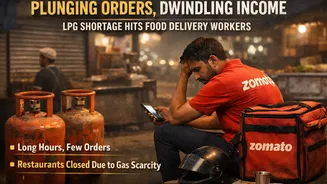
The heart of Kolkata's culinary landscape is under severe strain as a widespread shortage of commercial Liquefied Petroleum Gas (LPG) casts a dark shadow
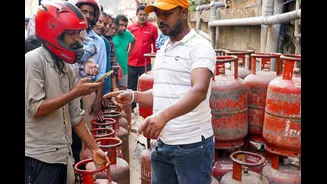
over its iconic restaurants. This scarcity, exacerbated by international geopolitical tensions affecting energy supply routes like the Strait of Hormuz—a crucial conduit for approximately 60% of India's LPG imports and 90% from the Gulf—is compelling restaurateurs to make drastic decisions. Faced with dwindling stocks and soaring black-market prices, many establishments are contemplating drastic measures, including significant menu reductions to streamline operations and mitigate the impact on their kitchens. The inconsistent supply is forcing a re-evaluation of how food is prepared, with some establishments considering a return to age-old cooking methods to ensure continuity. This situation not only threatens the businesses themselves but also the livelihoods of countless individuals who depend on them, prompting urgent calls for government intervention to resolve the escalating crisis before it leads to widespread closures.
Innovate or Evaporate
In the face of unprecedented supply chain disruptions, Kolkata's restaurateurs are demonstrating remarkable resilience and ingenuity. Leaders like Debaditya Chaudhury of Chowman, Oudh 1590, and Chapter 2 acknowledge the growing pressure but remain committed to operational continuity, viewing this challenge as an impetus for innovation. They emphasize that adaptability will be key to navigating these turbulent times, suggesting that while menu adjustments might be necessary to manage kitchen efficiency, their core commitment to serving customers across the country remains unwavering. This forward-thinking approach aims to ensure that even amidst the current difficulties, the dining experience remains as consistent and enjoyable as possible, highlighting a determination to overcome obstacles through strategic planning and operational flexibility. The hope is that these innovative strategies will allow them to weather the storm and continue to be pillars of Kolkata's vibrant food culture.
Return to Tradition
Some of Kolkata's most cherished eateries, including the renowned Arsalan, famous for its biryani, have been compelled to revert to traditional cooking methods to combat the crippling LPG shortage. Mozammal Haque, manager at Arsalan (Park Circus), revealed that their daily requirement of 70 cylinders across 12 outlets necessitates the use of wood-burning stoves. This significant operational shift is driven by the stark reality of inflated prices and limited availability of commercial gas, forcing them to procure cylinders from areas like Dankuni at exorbitant rates simply to keep their kitchens running. Similarly, Rana Nandy, owner of Girish Chandra Dey and Nakur Chandra Nandy, is managing by drastically reducing the variety of dishes offered. This difficult decision impacts not only the business but also the many workers and their families who rely on its stability. The situation underscores the profound economic and social implications of the fuel crisis, extending beyond mere business operations to affect the entire ecosystem of the restaurant industry.
Industry on Brink
The continued scarcity of commercial LPG poses an existential threat to Kolkata's vibrant restaurant industry, with experts warning of widespread collapse if the issue isn't swiftly addressed by the government. Sudesh Poddar, president of the Hotel and Restaurant Association of Eastern India (HRAEI), has voiced grave concerns, stating that the heavy reliance on LPG for daily operations means that alternative cooking methods like induction stoves cannot replicate the quality and speed required for many dishes. This dependency highlights the unique challenges faced by the culinary sector, where the consistent and efficient use of gas is fundamental to maintaining standards. Furthermore, restaurateurs like Faizal, owner of Haji Saheb in Behala for nearly three decades, express a deep sense of despair, with operations grinding to a near halt due to insufficient supplies, leading to the imminent possibility of shop closures. The crisis is not confined to commercial establishments; it is also impacting domestic consumers, potentially leading to widespread hardship and distress.
Allegations of Graft
Beyond the immediate operational challenges, the LPG shortage in Kolkata has also ignited serious accusations of corruption and malfeasance within the distribution network. Restaurateurs allege that distributors and dealers are exploiting the crisis, acting as intermediaries who are complicit in illicit black-market sales of LPG cylinders. This alleged profiteering not only exacerbates the scarcity for legitimate businesses and domestic users but also fuels public mistrust and anger. The disruption is seen as a deliberate tactic to inflate prices and generate illegal profits, severely impacting both the daily routines of households and the livelihoods of those dependent on the food industry. The pervasive sense of unfairness and desperation is palpable, as businesses struggle to survive while facing what many perceive as a government-sanctioned crisis being exploited by corrupt elements within the supply chain.