
E-Challan Scam Unveiled
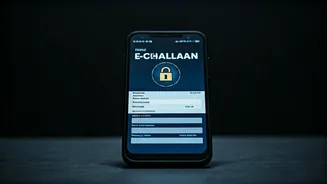
Fraudsters are increasingly employing a sophisticated approach, utilizing fake e-challan messages to deceive unsuspecting individuals. This involves sending
messages that appear to be legitimate notifications from traffic authorities, often containing links to fraudulent websites. These deceptive sites mimic official payment portals, tricking users into entering sensitive personal and financial information under the guise of paying a traffic fine. Once this data is submitted, the scammers can steal money or commit identity theft. Vigilance and a proactive approach are critical to avoid falling for such scams. Being aware of the tactics used by these criminals is the first step towards self-protection, enabling individuals to safeguard their data and financial well-being.
How the Scam Works
Scammers often start by sending fake e-challan messages via SMS or messaging apps. The messages create a sense of urgency. The fake messages then provide a link to a fraudulent payment portal, which looks almost identical to the official one. On this fake page, users are prompted to enter information, including credit card details, CVV codes, and other personal data. Once the information is provided, the scammers can use the data for malicious purposes, resulting in financial loss and identity theft. Users are advised to be skeptical of any unsolicited messages, verify details directly with the official traffic authorities, and avoid clicking suspicious links.
Staying Safe Online
To protect yourself, verify all e-challans by checking the official traffic department website directly. Never click on links in unsolicited messages. Always ensure the website URL is correct. Do not share sensitive information unless the source is proven to be authentic and secure. Regularly review bank and credit card statements for any suspicious transactions and promptly report any fraudulent activities. Educate yourself about common scam tactics to improve your ability to identify and avoid fraudulent schemes. If you suspect fraud, report it immediately to the appropriate authorities, such as the cyber crime department or local police.