






Rapamycin's Longevity Promise
In the ever-evolving landscape of longevity research and bio-hacking, a drug known as Rapamycin has emerged as a focal point of intense discussion. Originally
developed for its antifungal properties and later established as a vital immunosuppressant in organ transplantation, Rapamycin is now being explored for its potential to influence the aging process. Leading longevity experts, such as Dr. Vassily Eliopoulos, have highlighted Rapamycin as a highly debated compound, noting its consistent success in extending lifespan across various animal models. This has prompted longevity physicians to explore its off-label use in healthy adults, creating a divide within the medical community and driving self-experimentation among biohackers who are scrutinizing online research. The drug's journey from a niche medical application to a potential anti-aging agent underscores the dynamic nature of scientific discovery and its impact on public health interests.
The mTOR Pathway Connection
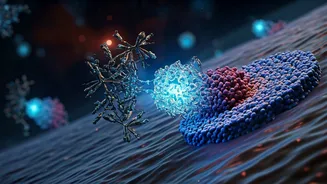
The purported longevity benefits of Rapamycin are intrinsically linked to its interaction with a fundamental cellular signaling pathway known as mTOR (mechanistic Target of Rapamycin). This pathway acts as a master regulator of cellular growth and metabolism. When mTOR is active, cells are stimulated to grow, divide, and build new components, a process crucial for development and repair. Conversely, when mTOR signaling is suppressed, cells shift towards a state of maintenance and rejuvenation. This dormant phase allows for essential cellular housekeeping activities, such as clearing out damaged proteins and recycling cellular debris, effectively combating the accumulation of cellular damage that is characteristic of aging. By inhibiting the mTOR pathway, Rapamycin is believed to trigger these intrinsic cellular repair mechanisms, potentially slowing down the aging process at a fundamental biological level.
Evidence: Animal vs. Human
The scientific rationale for Rapamycin's anti-aging potential is strongly supported by compelling evidence from extensive animal studies. These investigations have consistently demonstrated significant lifespan extensions across a wide spectrum of organisms. For instance, research has shown increases in lifespan of up to 20% in yeast, 19% in worms, 24% in flies, and a remarkable up to 60% in mice. Crucially, studies in mice have indicated that Rapamycin's life-extending effects can be achieved even when treatment is initiated in mid-life, suggesting a broad window of opportunity. However, Dr. Vassily Eliopoulos emphasizes the critical distinction between animal data and human outcomes. While one cohort study hinted at a reduction in biological age by nearly four years among users, this was based on group averages and not individual measurements. Therefore, the compelling nature of animal data is undeniable, but the human narrative is still in its nascent stages, making it imperative to acknowledge both the promise and the current limitations of human research.
Navigating the Evidence Landscape
For individuals encountering Rapamycin as a potential 'longevity drug,' a realistic interpretation of the current scientific evidence is paramount. Dr. Palleti Siva Karthik Reddy clarifies that while the existing data is indeed promising regarding its impact on human longevity, it remains incomplete. The most robust findings originate from animal studies, where Rapamycin has demonstrably extended lifespan by influencing critical aging pathways, notably the mTOR pathway. However, translating these findings directly to humans is complex. Current human studies are limited in scope, often short in duration, and primarily focused on specific medical conditions rather than the broad spectrum of aging itself. Consequently, it is most accurate to view Rapamycin at this juncture as an experimental intervention rather than a definitively proven solution for extending lifespan. A cautious and informed perspective is crucial when evaluating its potential applications.
Risks of Unsupervised Use
The unsupervised use of Rapamycin carries substantial inherent risks, particularly because it is a potent immunosuppressive medication originally developed for transplant recipients. In individuals who are otherwise healthy, self-prescribing Rapamycin can lead to a heightened susceptibility to various infections, thereby compromising the body's natural defense mechanisms. Furthermore, it can impede the body's ability to heal wounds effectively. There is also a significant concern regarding its potential to disrupt the delicate balance of glucose and lipid metabolism, potentially leading to metabolic disorders. The optimal dosage, timing of administration, and the long-term safety profile of Rapamycin in healthy populations remain largely uncharacterized. Dr. Reddy cautions that self-medicating with such powerful compounds based on emerging trends, without professional medical guidance, poses a considerable risk of unintended harm rather than delivering any discernible benefits.