







Muscle Growth Potential
The good news is that people in their 60s can absolutely build muscle. Muscle growth is possible at any age, even if the process tends to slow down as
we get older. The key lies in the type of training and dedication. Consistency is essential. Regular resistance exercises are important to stimulate muscle protein synthesis and promote muscle growth. This type of workout involves using external resistance, like weights or resistance bands, to work the muscles. Besides, proper nutrition is another crucial element. Adequate protein intake is vital to repair and build muscle tissue. Getting enough sleep allows the body to recover and grow. While it might take a bit more effort compared to a younger person, it’s not just possible, but also very beneficial for overall health and well-being. So, it's never too late to begin!
Health Issues and Muscle
Health issues in the 60s might present some complications, but they certainly don’t necessarily mean an end to building muscle. Many health conditions can be managed with proper medical care and lifestyle adjustments. For example, individuals with conditions like arthritis or heart problems might need to adapt their exercise routine. Physical therapists or certified trainers can create modified workout plans that accommodate these limitations. Working with healthcare professionals is highly advised to ensure safety and effectiveness. Certain medications can influence muscle growth or recovery, so a doctor should always be consulted. Despite potential hurdles, many seniors with health conditions still successfully build muscle. This often leads to an improvement in their overall health and quality of life. The focus is on finding an approach that works safely and effectively within the parameters of their health.
Understanding Sarcopenia
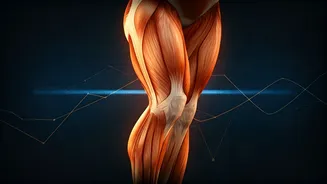
Sarcopenia is the term used to describe age-related loss of muscle mass and strength. It typically begins in your 30s and accelerates as you get older. Several factors contribute to it, including reduced physical activity, changes in hormone levels, and decreased protein intake. The consequences of sarcopenia can be significant, leading to reduced mobility, increased risk of falls, and a decline in overall physical function. However, the good news is that sarcopenia can be combated through exercise and nutrition. Regular resistance training is one of the most effective ways to slow down or even reverse the effects of sarcopenia. Incorporating sufficient protein into your diet is also essential for muscle repair and growth. Understanding sarcopenia is the first step toward developing a strategy to maintain muscle mass and enhance your overall well-being as you age.